Solar panel
cleaning guide
Most tilted panels are cleaned by the rain. When they do need a wash, here is how to do it safely and without risking your warranty.
Do my panels need cleaning?
- Your output in the app has dropped with no other explanation
- There is a visible film of dust, salt or pollen on the glass
- Bird droppings or leaves are sitting on the panels
- Your panels are on a flat or low-angle roof where rain pools
- You live near the coast, a farm, a highway or construction
Check first
Compare this month's output with the same month last year in your monitoring app. Weather changes output a lot, so look for a drop that doesn't match the conditions.
Clean them safely
- 01
Stay on the ground
Use a long-handled, soft-bristled brush or a garden hose from the ground. Never climb onto the roof.
- 02
Use plain water
Water on its own is enough. Avoid detergents, abrasive pads and harsh chemicals that can damage the glass coating.
- 03
No pressure washers
High-pressure water can damage panels and seals and may void your warranty.
- 04
Pick a cool time
Clean early in the morning or late in the afternoon. Cold water on hot glass can stress the panels.
- 05
Don't touch the wiring
Keep away from cables, isolators and the inverter. Electrical work must be done by a licensed electrician.
When to call a professional
- Panels you can't reach safely from the ground
- Heavy build-up that water and a soft brush won't shift
- Two-storey homes or steep roofs
- Cleaners must use proper height-safety equipment and never stand on the panels
Protect your warranty
Some panel warranties set rules for cleaning. Check your warranty, or ask us, before using a cleaning company.
Contact supportSolar panel cleaning: everything you need to know
How much does dirt reduce output?
Anything that blocks light reduces output. A light film of dust usually makes only a small difference, and the next good rain washes it away from tilted panels. Heavier build-up, such as bird droppings, leaf litter, salt near the coast or dust from farms, roads and building sites, can cut output more noticeably because it shades parts of cells.
The easiest way to know whether cleaning would help is to compare your output in the monitoring app with the same month last year. A drop that the weather doesn't explain is a sign to look closer.
Cleaning safely from the ground
Stay off the roof. Use a long-handled, soft-bristled brush or a garden hose with plain water, working from the ground. Clean early in the morning or late in the afternoon when the glass is cool, because cold water on hot glass can stress the panels.
Avoid detergents, abrasive pads and harsh chemicals, which can damage the anti-reflective coating on the glass. Never use a pressure washer, as high-pressure water can damage the panels and their seals and may void your warranty.
When to use a professional
If your panels are on a second storey, a steep roof or are hard to reach, or the build-up won't shift with water and a soft brush, use a professional. A good cleaner uses proper height-safety equipment, doesn't stand on or rest equipment on the panels, and uses water-fed poles with soft brushes. Check your panel warranty first, as some set rules for cleaning.
Birds, pests and debris
Pigeons nesting under panels can leave droppings and debris and damage cabling. Mesh guards fitted around the edge of the array keep birds out. Leaves and debris collecting under or on panels should be cleared during a professional service, which also lets the electrician check the cabling.
Cleaning and maintenance go together
Cleaning keeps output up, but it doesn't check that your system is safe. Energy safety regulators recommend a professional service by a licensed electrician at least every two years. A service includes electrical testing, checking the DC isolators and a visual inspection of panels, cabling and the inverter.
More solar guides
Real installs.
Across WA and NSW.
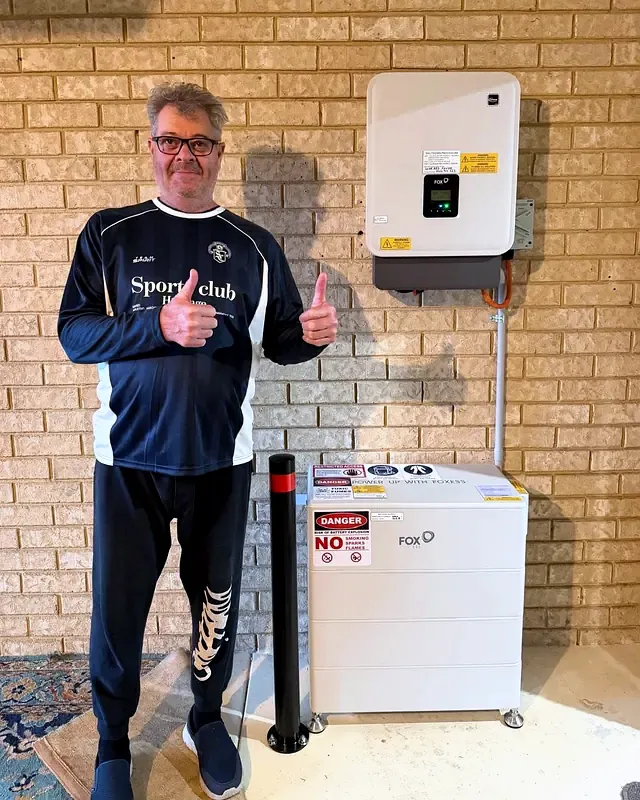
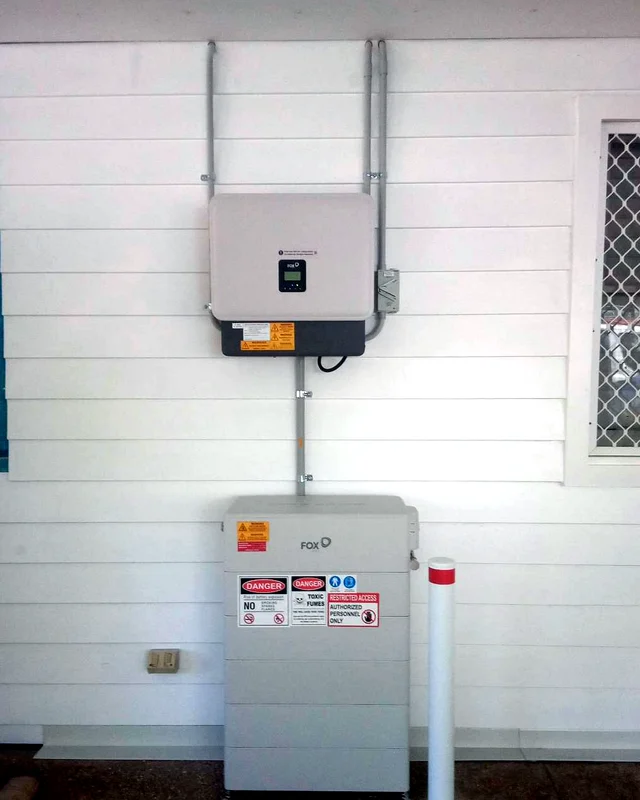
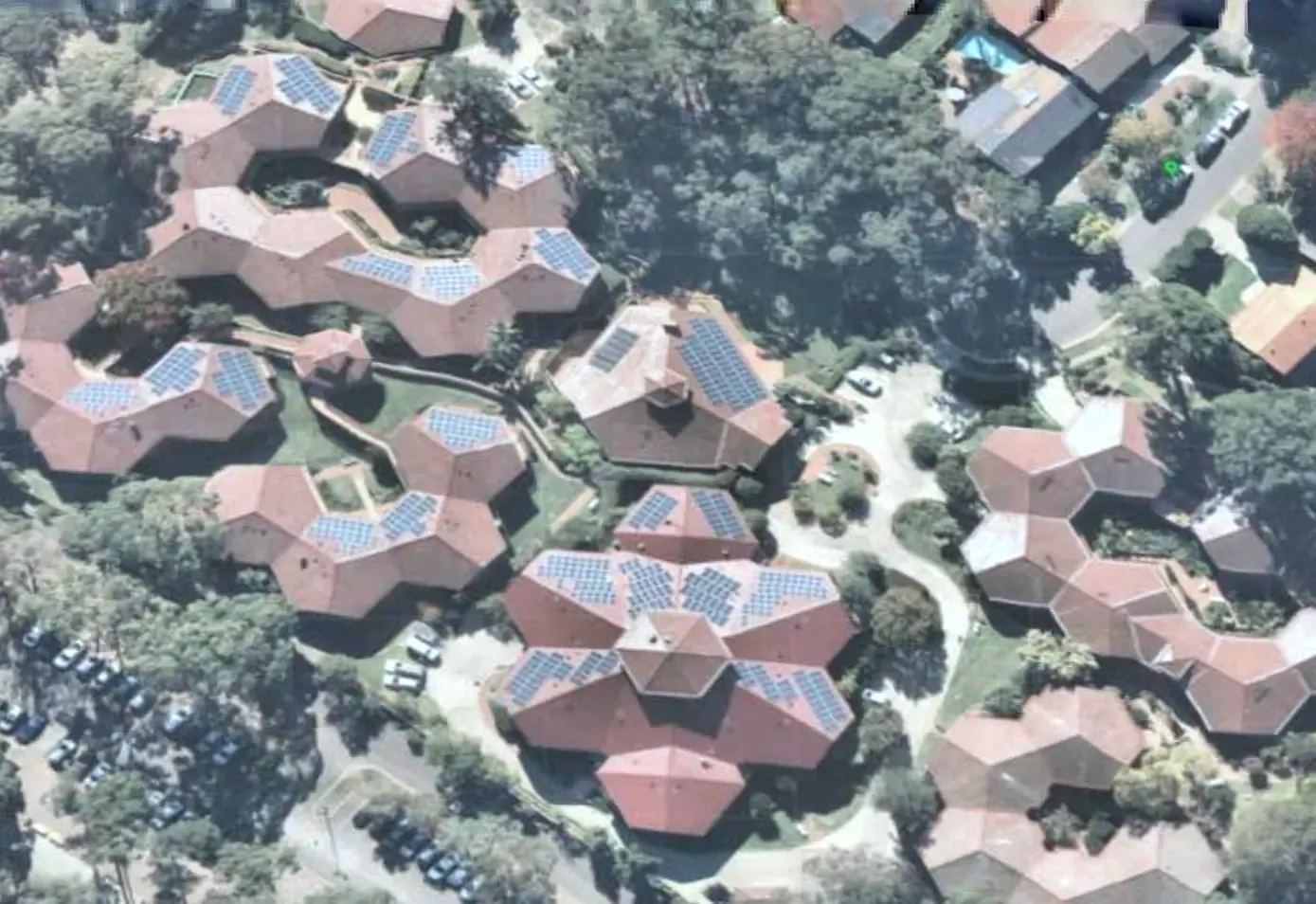
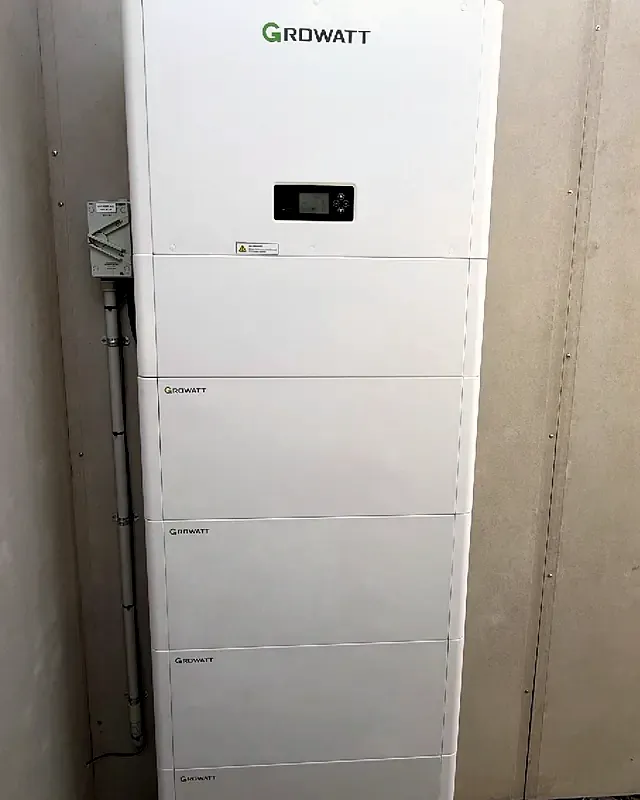
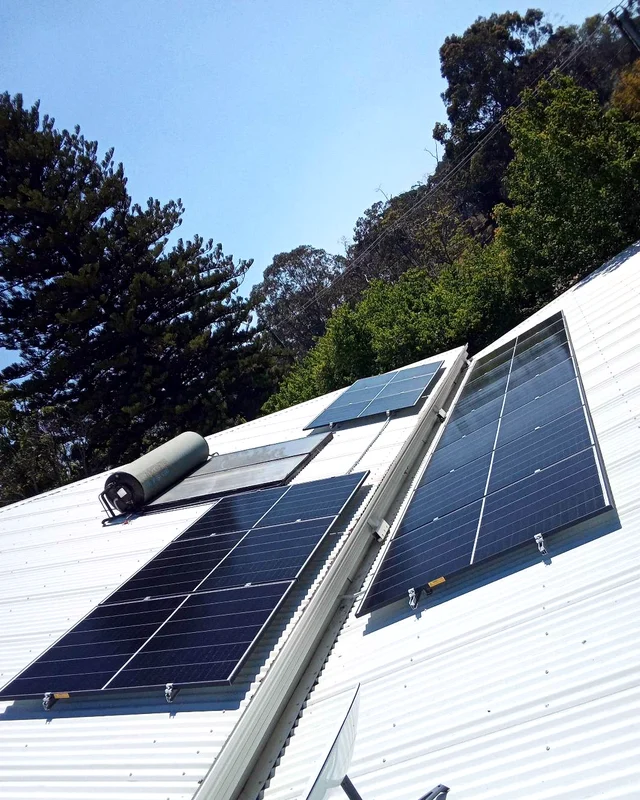
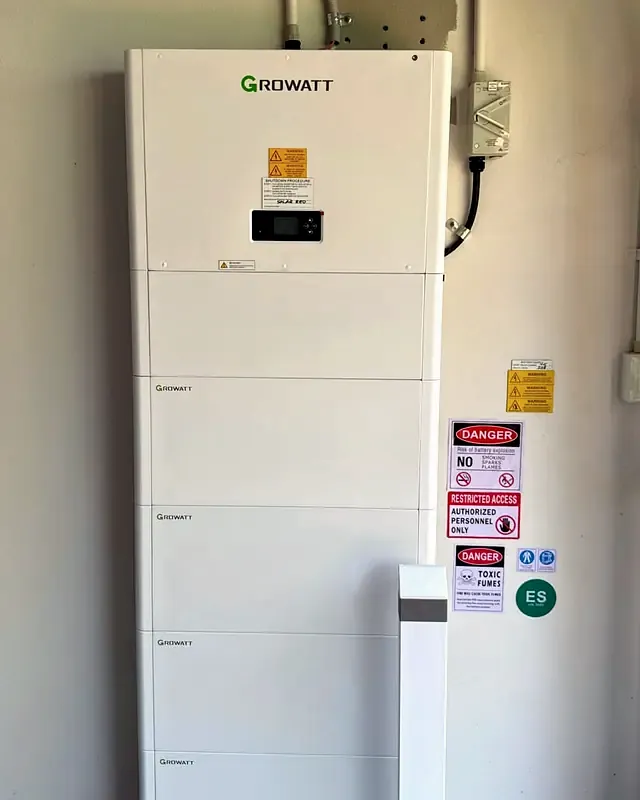
Every system is designed, installed and signed off by our own accredited team. Here are some of the latest.
- 15+ yrsIn the solar market
- WA · NSWHomes and businesses
- SAAAccredited installers
- NETCCApproved Seller
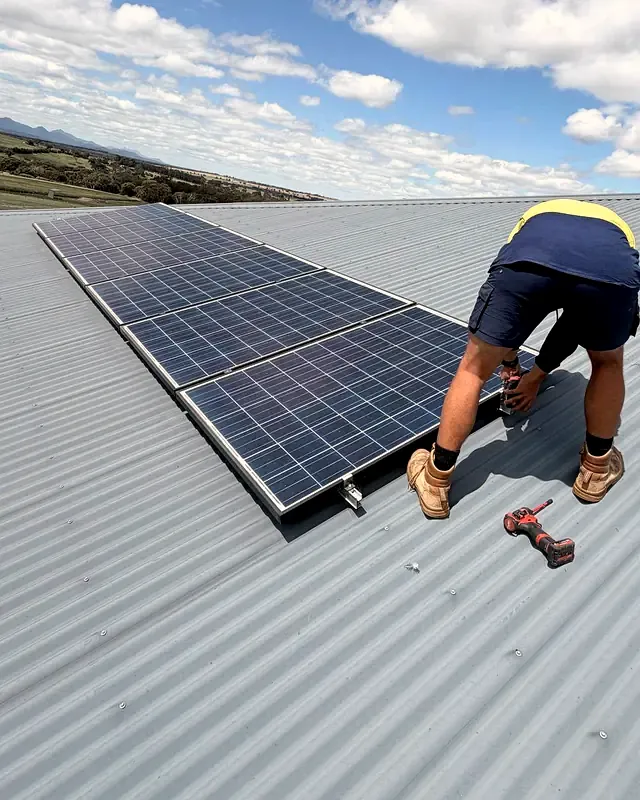
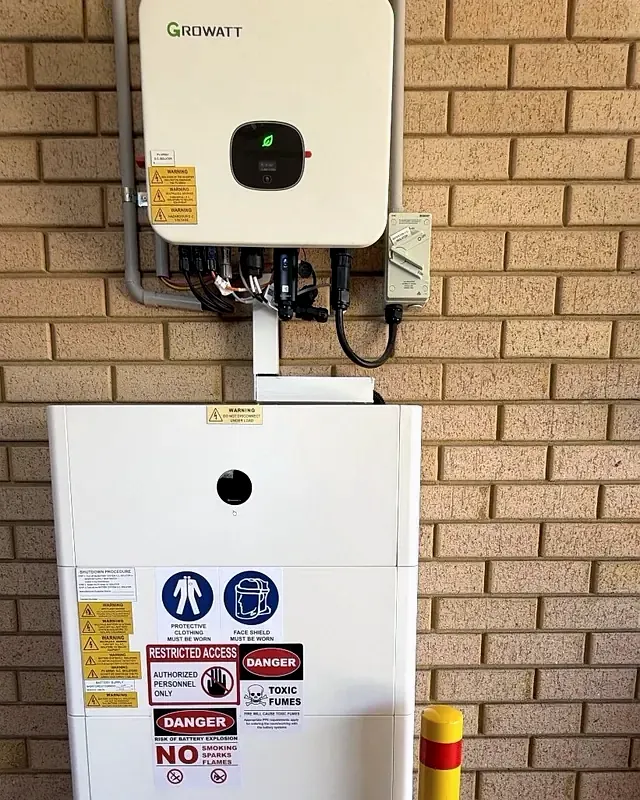
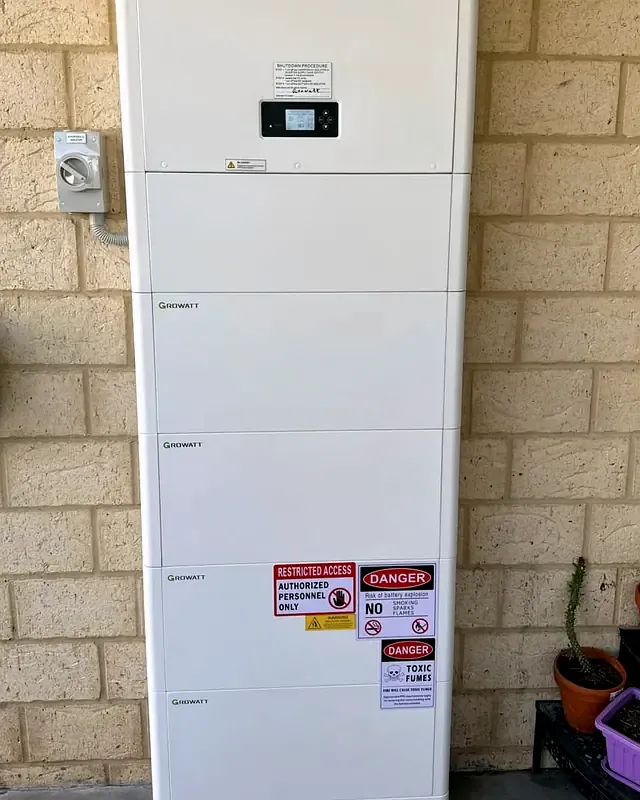
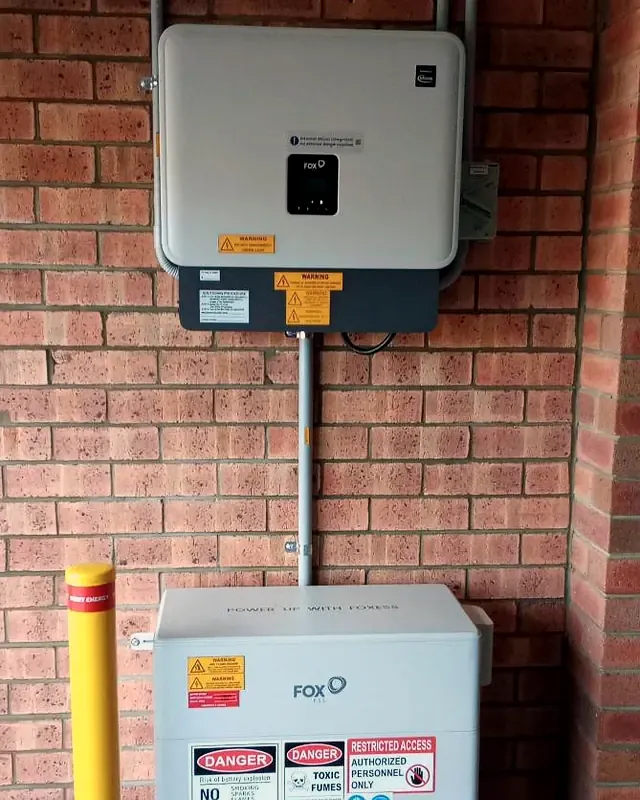
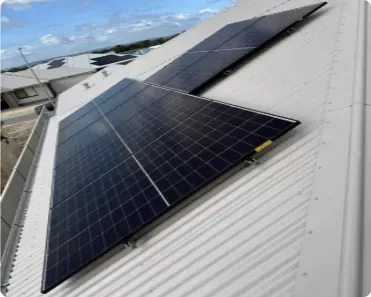
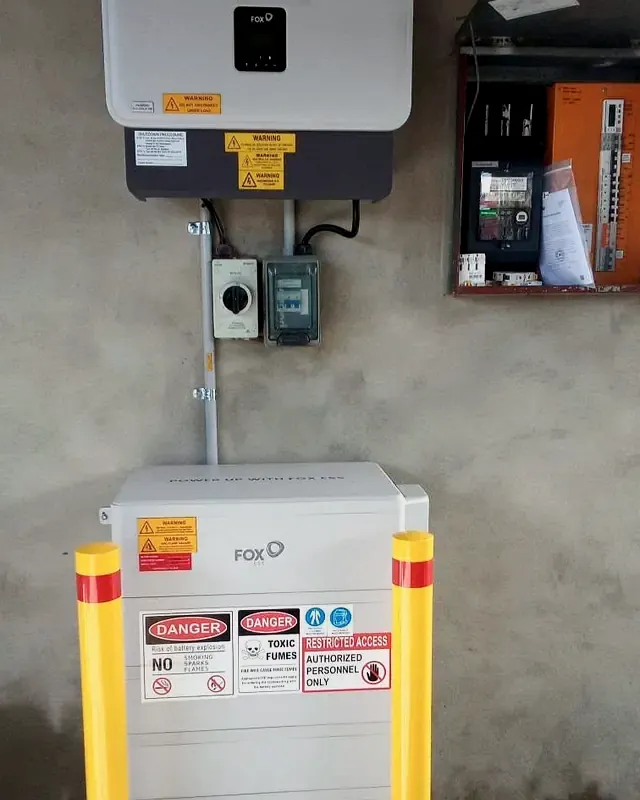
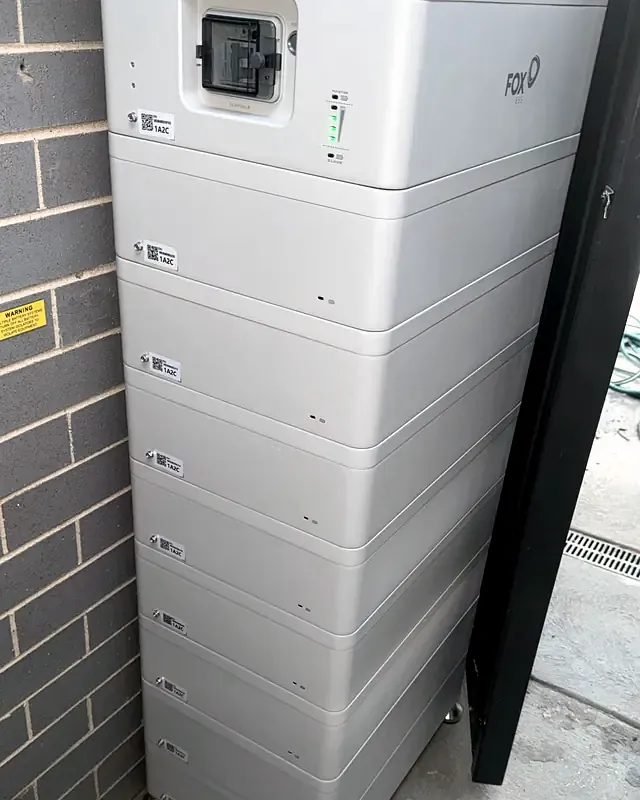
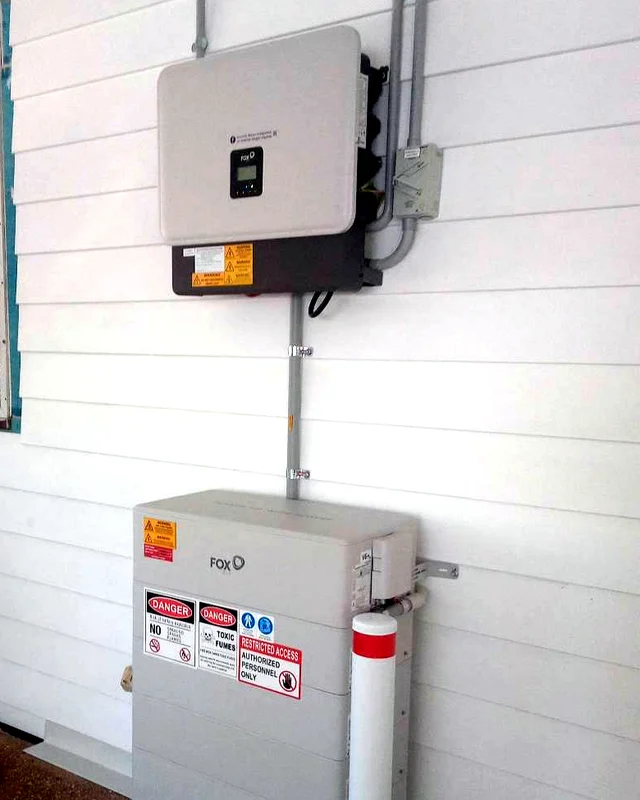
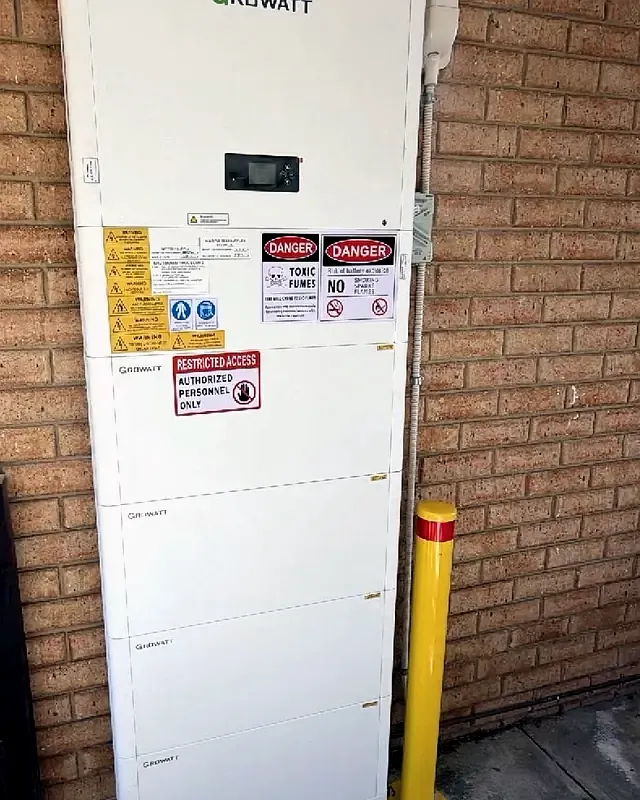
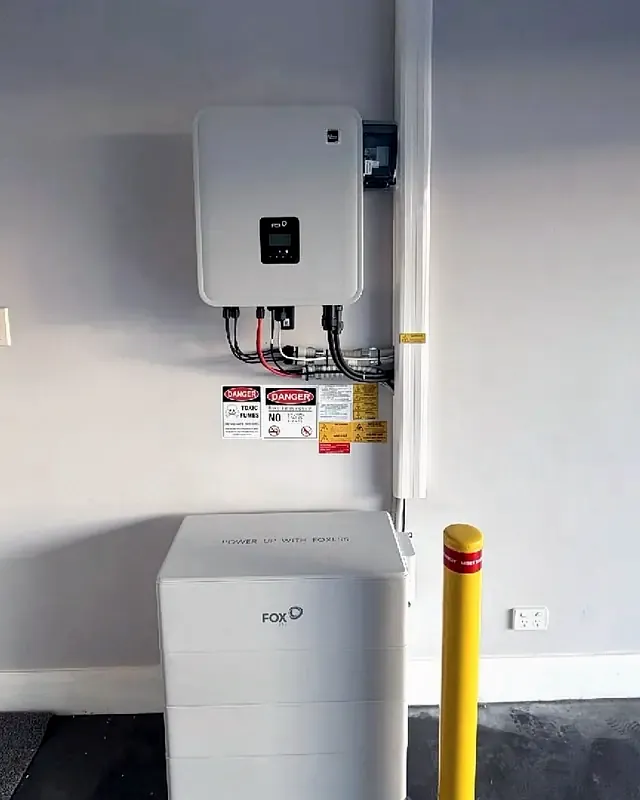
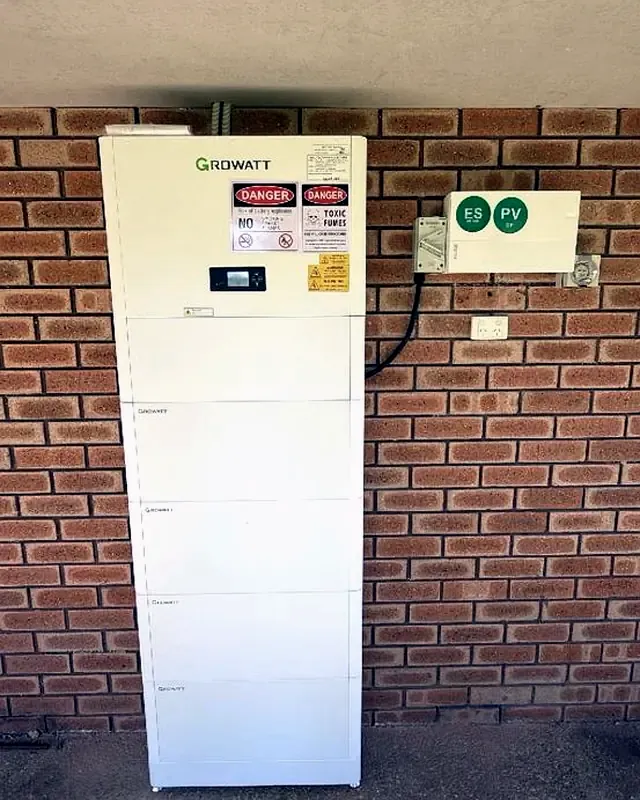
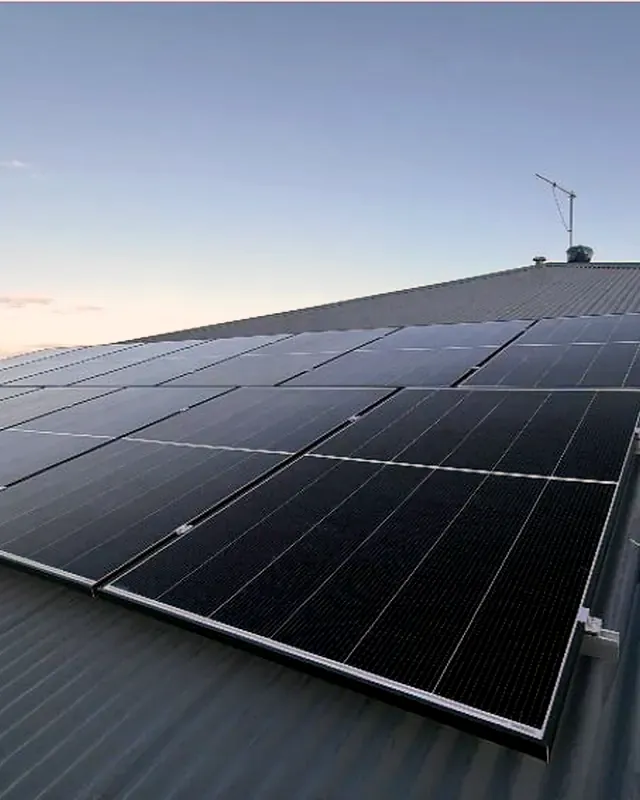
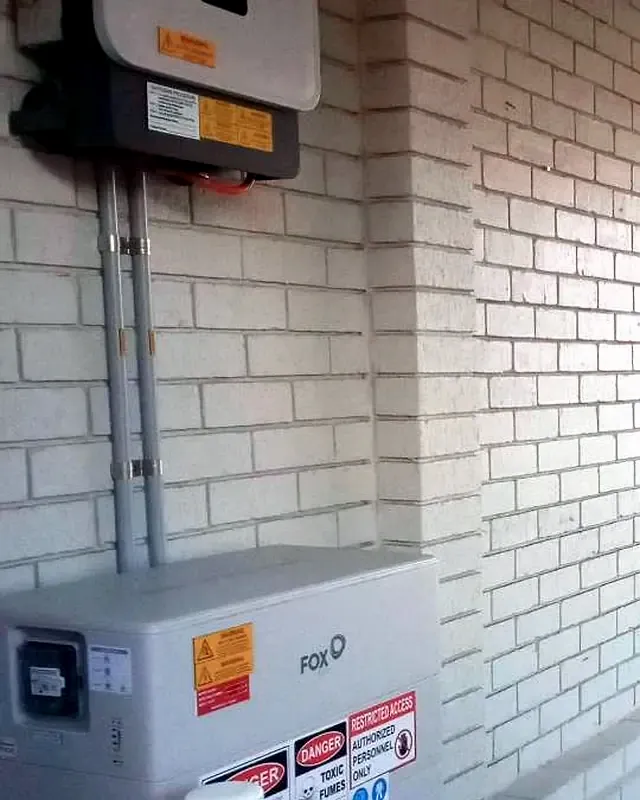
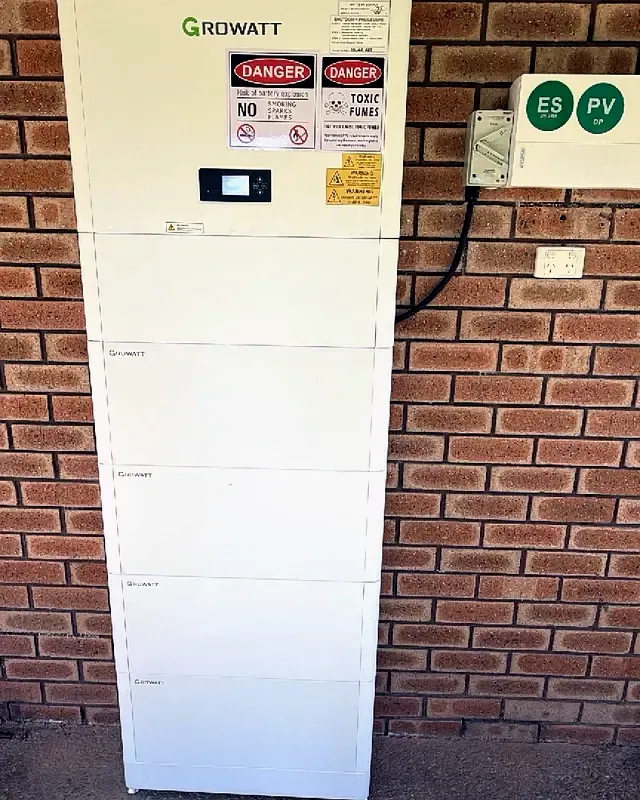
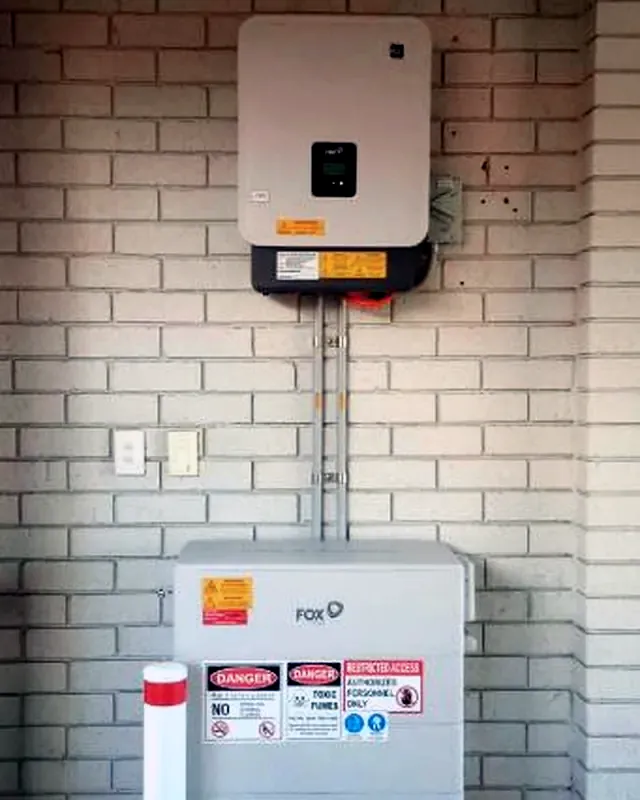
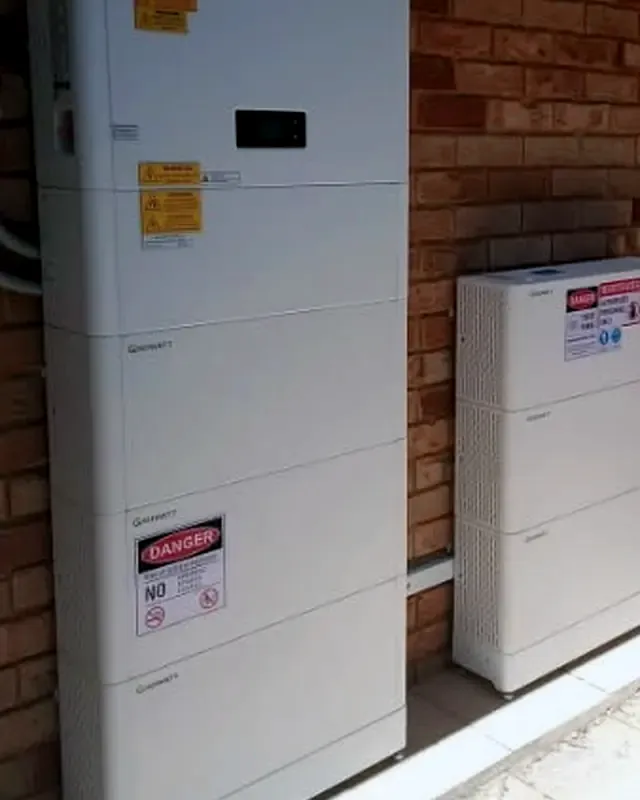
See the work before you sign.
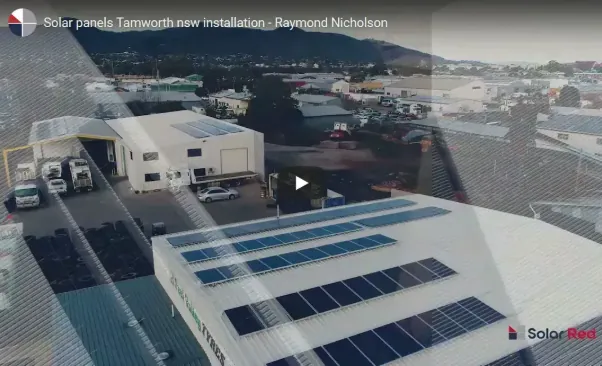
Short clips from real jobs, from family homes to working businesses. Tap any video to watch.



Common questions
How often should solar panels be cleaned?
There is no fixed schedule. Rain cleans most tilted panels. Clean when you see a build-up or a drop in output that the weather doesn't explain.
Can I use soap or Windex?
Use plain water. Detergents and harsh chemicals can leave residue or damage the glass coating.
Can I use a pressure washer?
No. High pressure can damage the panels and seals and may void your warranty.
Is it safe to get on the roof?
No. Clean from the ground with a long-handled brush or hose, or use a professional with height-safety equipment.
Will cleaning increase my output?
If there is a visible build-up, yes. If the panels are already fairly clean, the gain is small.
Does rain clean solar panels?
Yes, rain does most of the cleaning for tilted panels. Flat or low-angle panels may need occasional hosing.
Can dirty panels damage the system?
Heavy, uneven build-up can create hot spots on cells over time, another reason to clean when you see it.
Should I clean the inverter?
Keep the area around it clear of dust and spider webs so air can flow, but never open it.
Free, no-obligation quote. Solar Red is an Approved Seller under the New Energy Tech Consumer Code (download the Code).
- Rebates taken off your price first
- Interest-free options for eligible homes
- Installed by SAA accredited local electricians
- Grid application and VPP setup handled for you