Home solar
panels
High-efficiency solar panels sized to your roof and your bills, installed by our own accredited electricians across WA and selected areas of NSW. Add a battery now or later.
Why homes go solar
Cut your daytime bills
Your home runs on its own power while the sun is up, so you buy less from the grid.
STC discount upfront
Small-scale technology certificates come straight off your price. The discount reduces each year until the scheme ends in 2030.
Ready for a battery
Store your spare midday solar and use it at night. Add one now or later.
Very little upkeep
No moving parts. Rain does most of the cleaning, with a professional service every couple of years.
Pick the right system size
The right size depends on how much power you use, when you use it, and how much roof you have.
| System | Average solar a day* | Suits homes using | Roof space |
|---|---|---|---|
| 6.6 kW | About 26 kWh | Around 15 to 25 kWh a day | About 15 panels |
| 10 kW | About 40 kWh | Around 25 to 35 kWh a day | About 23 panels |
| 13.2 kW | About 53 kWh | Around 35 to 55 kWh a day | About 30 panels |
| 20 kW | About 80 kWh | 60 kWh a day or more, pools and EVs | About 45 panels |
*Based on a Perth average of about 4 kWh a day per kW of panels. Output varies with roof direction, tilt, shade and season. Larger systems may need three-phase power or a network export limit. We confirm the right size in your quote.
Panels we install
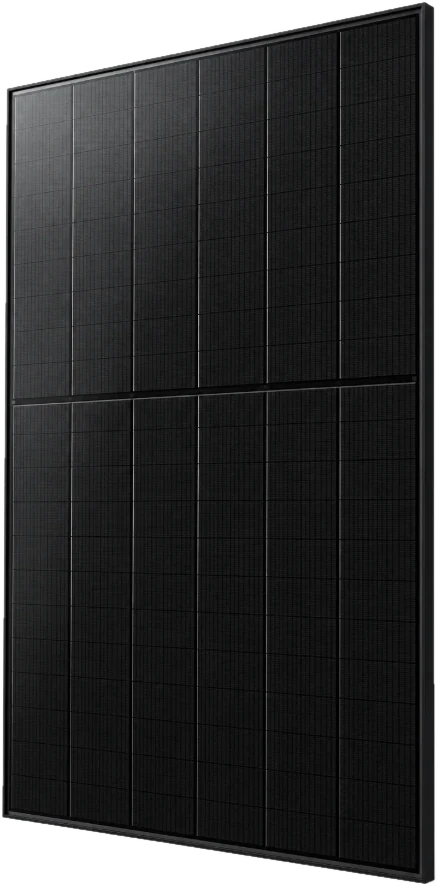
- Tier 1 manufacturers such as Jinko, AIKO, Trina and LONGi
- Modern N-type cells, around 23 to 24% efficient in the models we install
- All-black options for a clean look on the roof
- On the Clean Energy Council approved list, so you get the STC discount
- 25-year panel performance warranty
Solar + battery
Most of our customers now pair solar with a battery so the power they make at midday runs the home at night.
See solar + battery packagesEverything about solar panels
Guides written by our team to help you choose, install and look after your system.
Home solar panels: the complete guide
Is solar worth it for your home?
For most Australian homes, solar is one of the best returns you can get on a home improvement. Every kWh your panels produce while you are using power is a kWh you don't buy from the grid at full retail price. In Perth, for example, Synergy's standard A1 rate is 33.26c per kWh from 1 July 2026, while solar exported under the DEBS plan earns as little as 2c per kWh for most of the day. That gap is why the real value of solar comes from using as much of it as you can in your own home.
Solar works best for households that use a good share of their power during the day: people working from home, families with pool pumps, air conditioning or a dishwasher running in daylight, and retirees. If most of your use happens at night, pairing solar with a battery lets you store the midday surplus and use it after dark.
How to choose the right system size
System size is measured in kilowatts (kW). As a guide, Perth averages about 4 kWh of output a day for every kW of panels across the year, with more in summer and less in winter. A 6.6 kW system makes roughly 26 kWh a day on average, and a 13.2 kW system roughly 53 kWh.
The right size depends on three things: how much power you use, when you use it, and how much usable roof space you have. We size every system from your actual power bills, then check your roof direction, shading and your network's export rules. Many homes now go bigger than they used to, because a larger system fills a battery faster and still covers the home on cloudy days.
What makes a good solar panel?
Not all panels are equal. The things that matter most are efficiency (how much of the sunlight is turned into power), the temperature coefficient (how much output drops on hot days), degradation (how quickly output declines over the years) and the warranty behind the panel. Modern N-type panels from Tier 1 manufacturers perform better on all of these than the older panels many homes still have.
Your panels must also be on the Clean Energy Council approved list for your system to receive the STC discount. We only install approved panels from established manufacturers.
The STC discount explained
Eligible solar systems up to 100 kW create small-scale technology certificates (STCs) under the federal Small-scale Renewable Energy Scheme. The value of those certificates is taken off your price upfront, so you don't have to claim anything yourself. The number of certificates a system earns reduces each year until the scheme ends in 2030, so installing sooner means a bigger discount.
Solar on its own or solar with a battery?
Solar without a battery cuts your daytime bills. Solar with a battery also covers your evenings and can keep essential circuits running in a blackout. With the federal Cheaper Home Batteries discount, state rebates in WA and interest-free loans in WA and NSW, many households now install both together. If you install solar first, choosing a hybrid inverter makes adding a battery later simple.
What to look for in a solar installer
Choose an installer that uses SAA accredited electricians, installs approved products, and is an Approved Seller under the New Energy Tech Consumer Code. Ask for a written, itemised quote that shows the panel and inverter models, the STC discount and the warranty terms. Solar Red ticks all of these boxes, with our own accredited electricians.
Real installs.
Across WA and NSW.
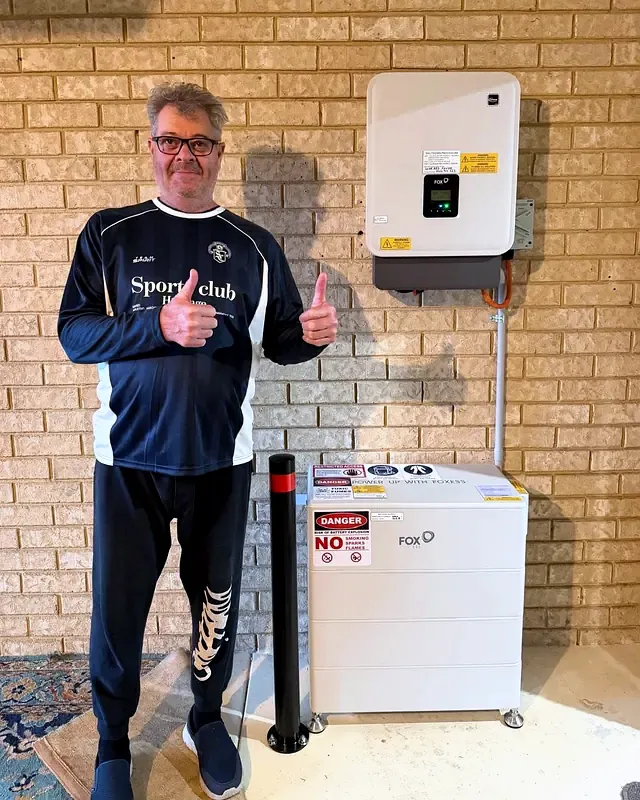
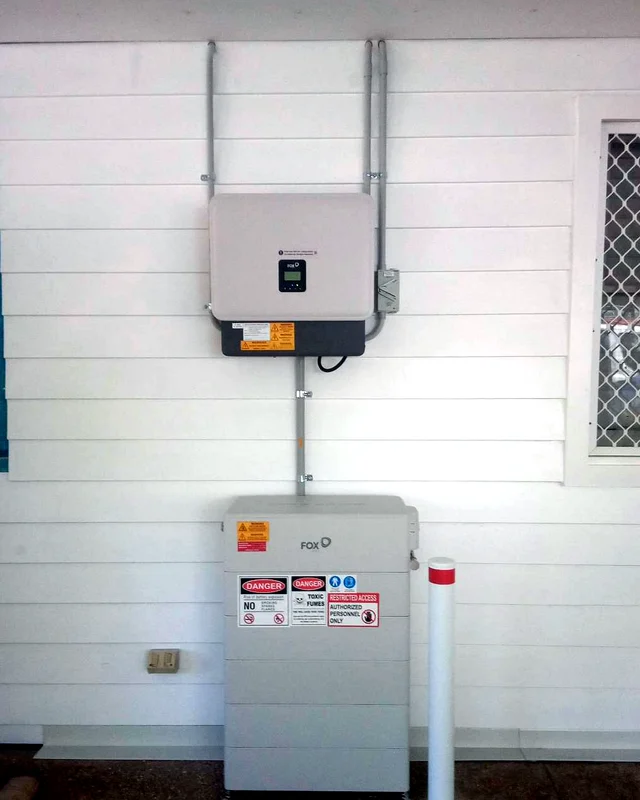
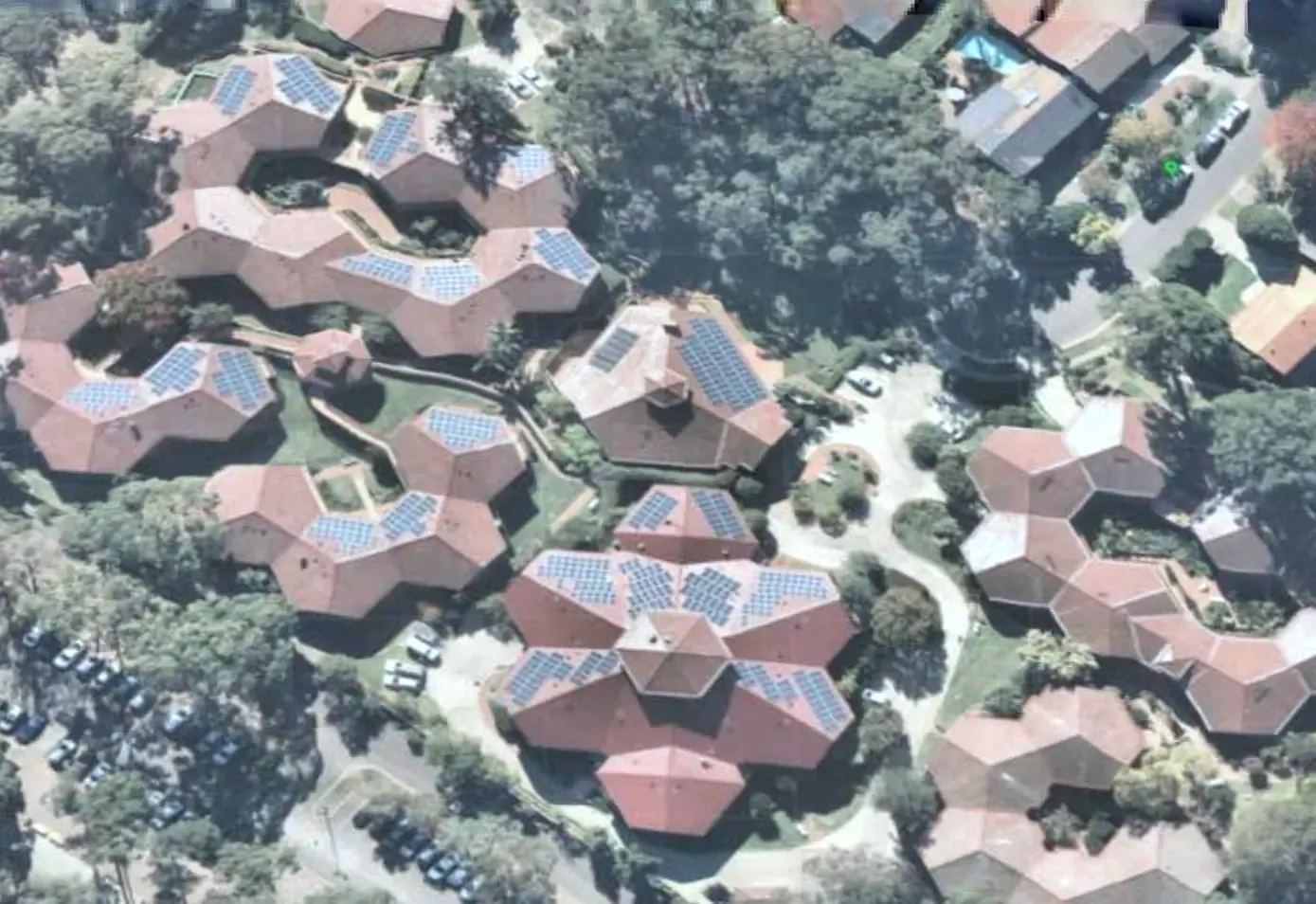
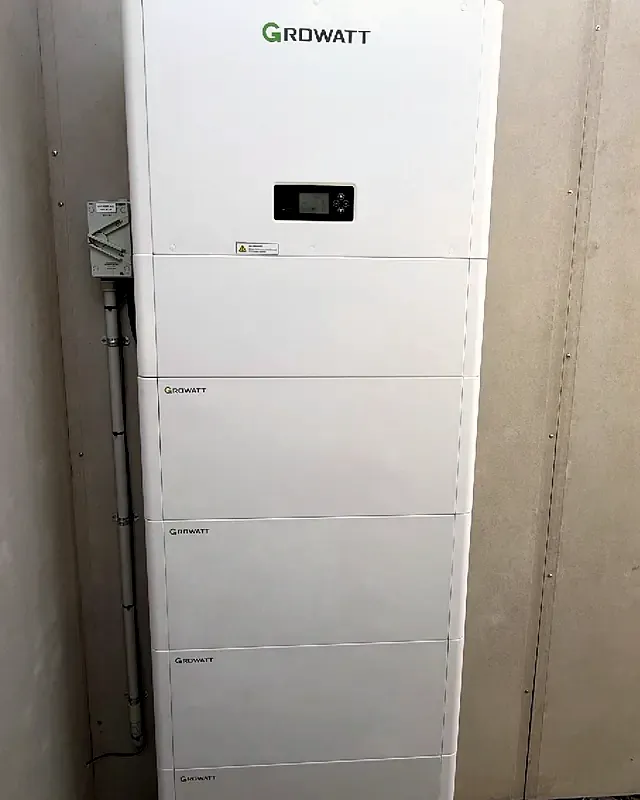
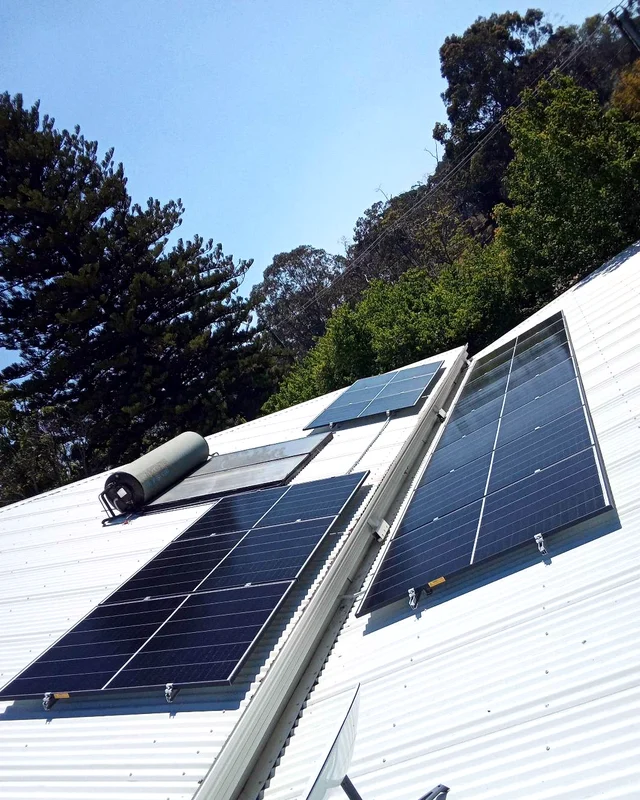
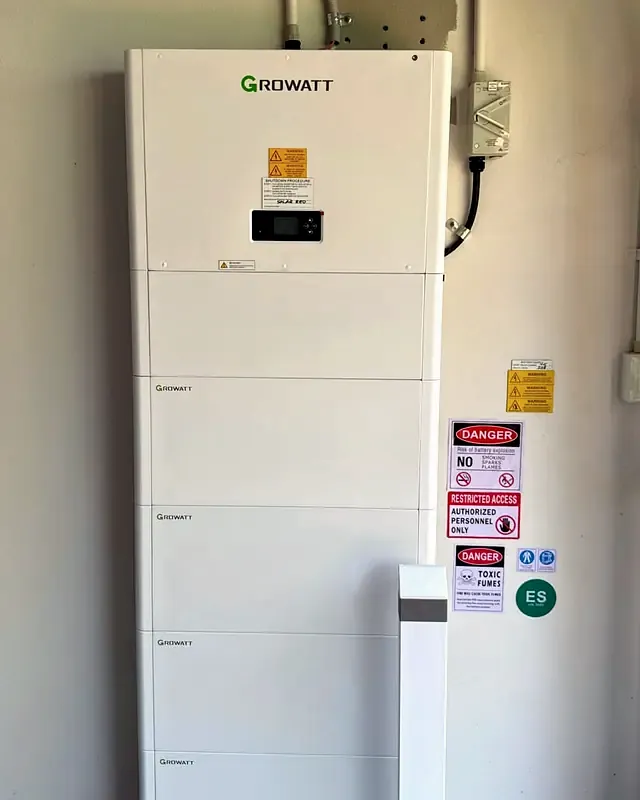
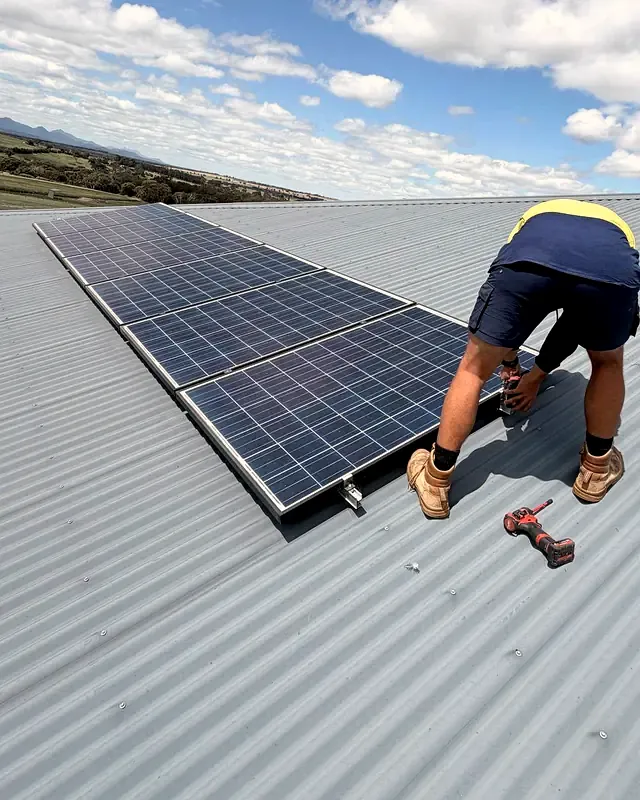
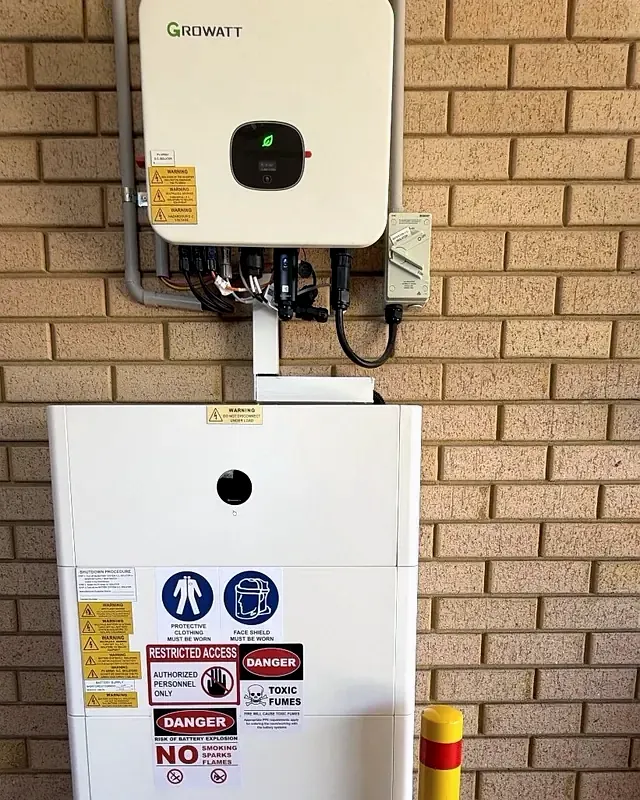
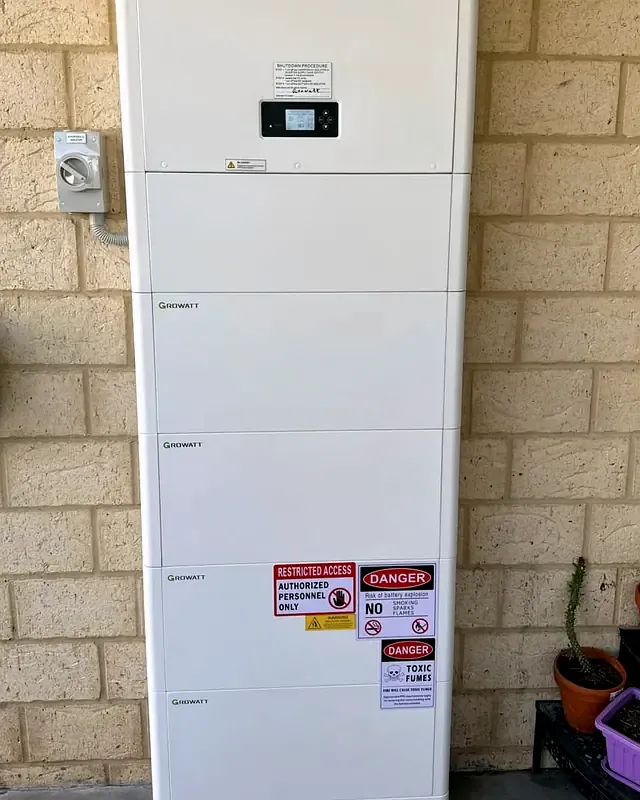
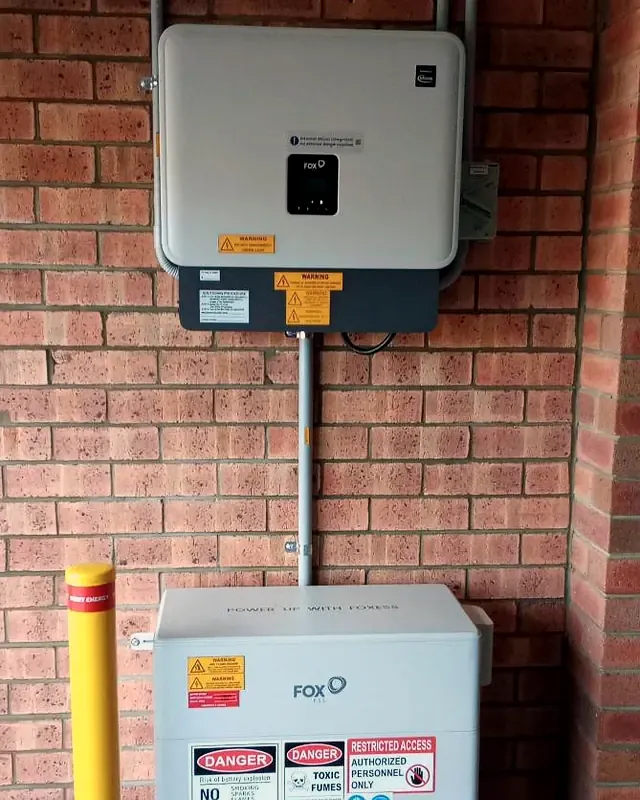
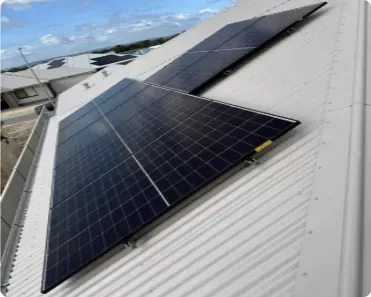
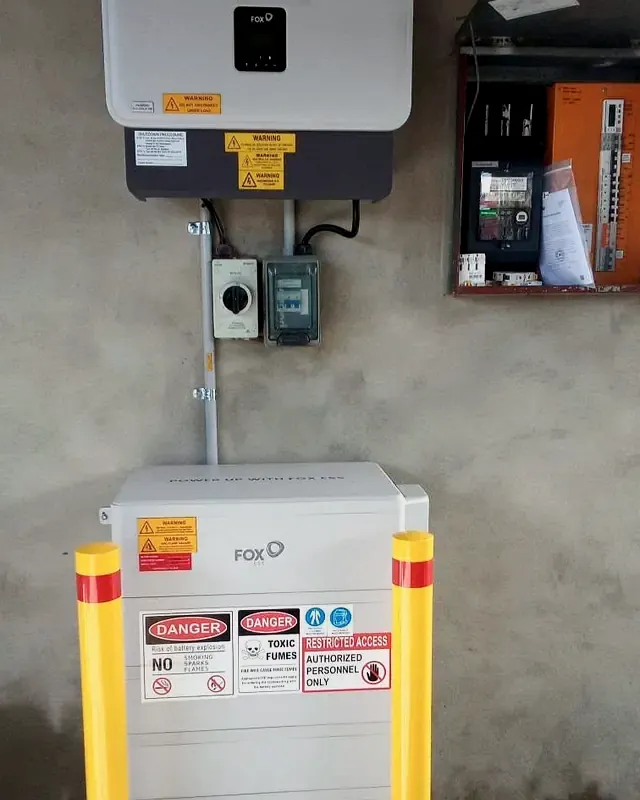
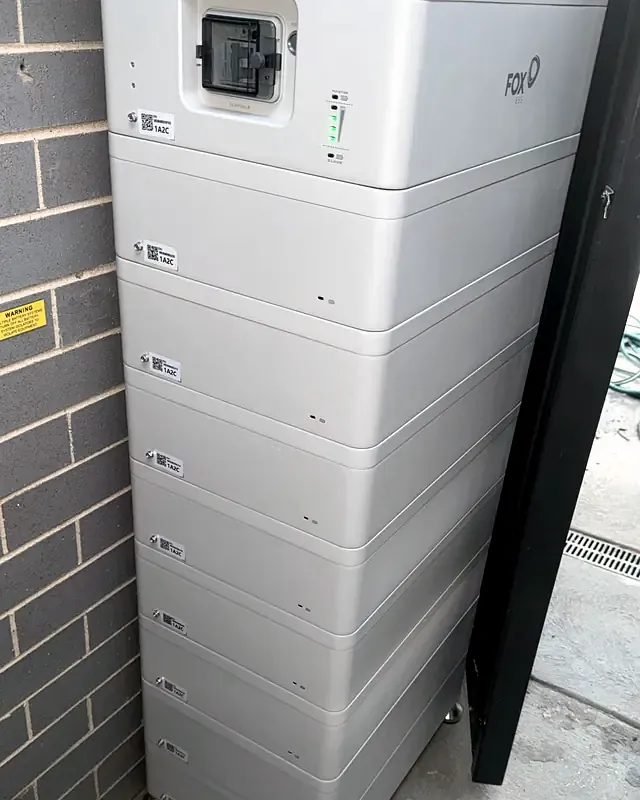
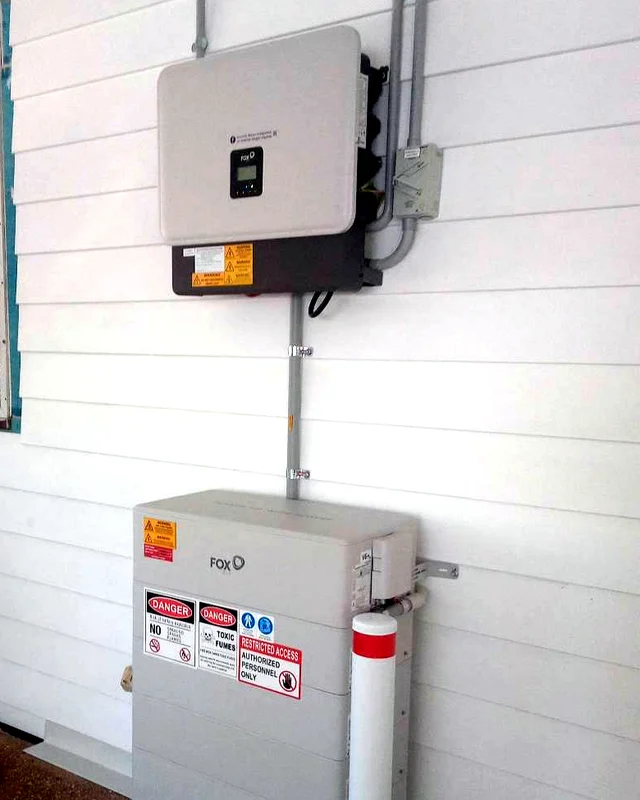
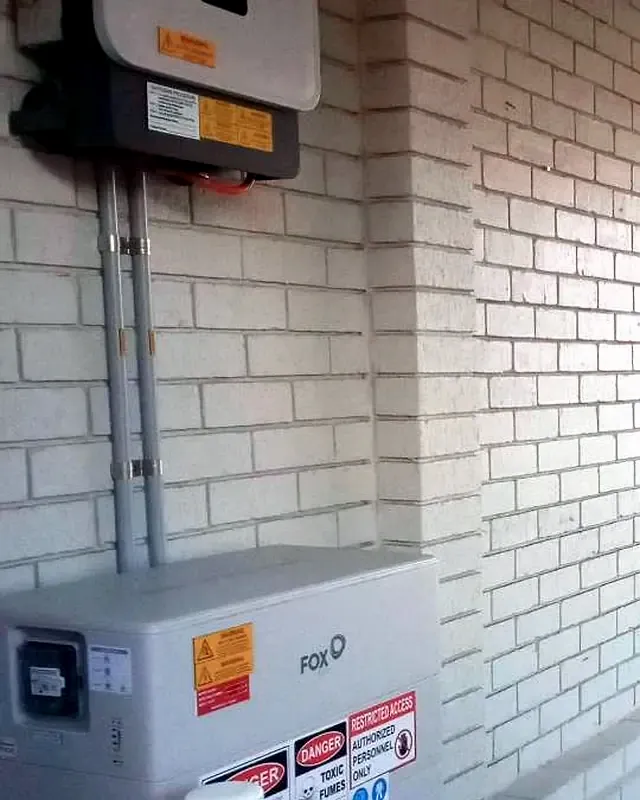
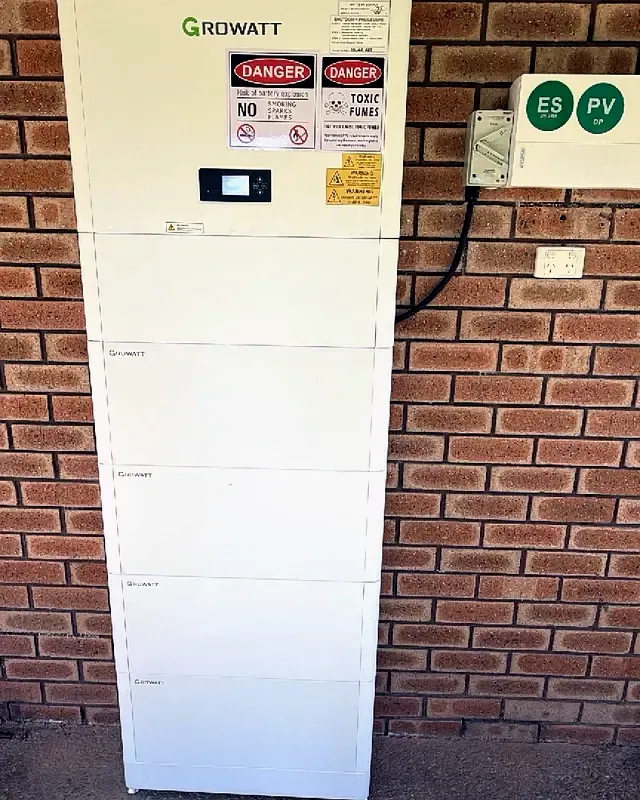
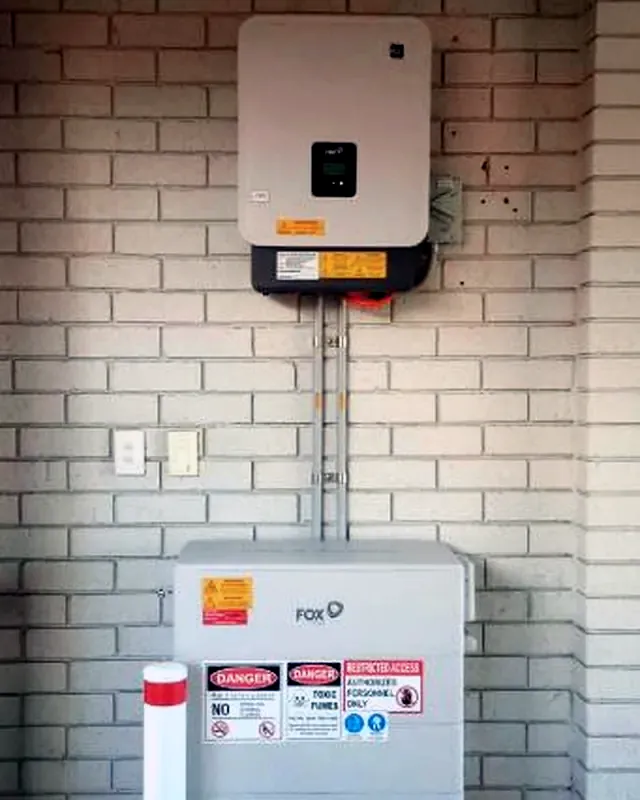
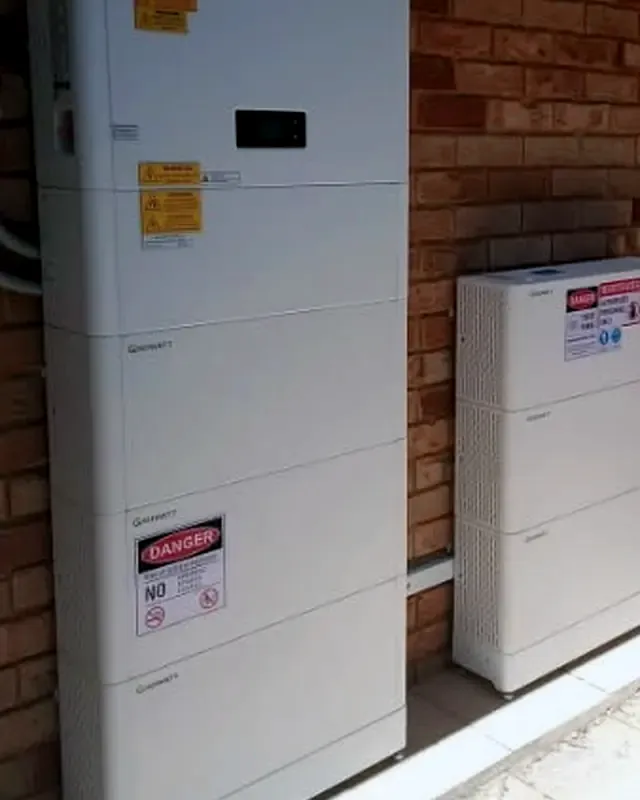
Every system is designed, installed and signed off by our own accredited team. Here are some of the latest.
- 15+ yrsIn the solar market
- WA · NSWHomes and businesses
- SAAAccredited installers
- NETCCApproved Seller
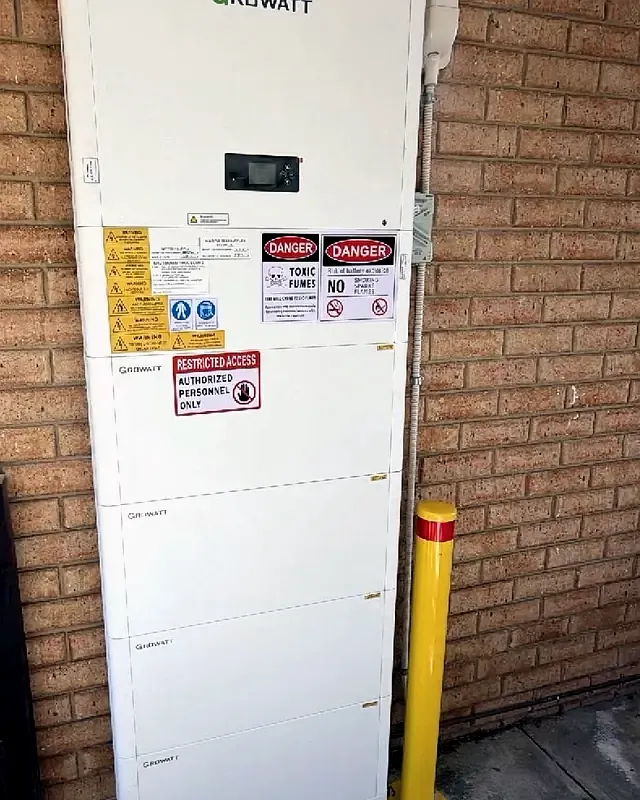
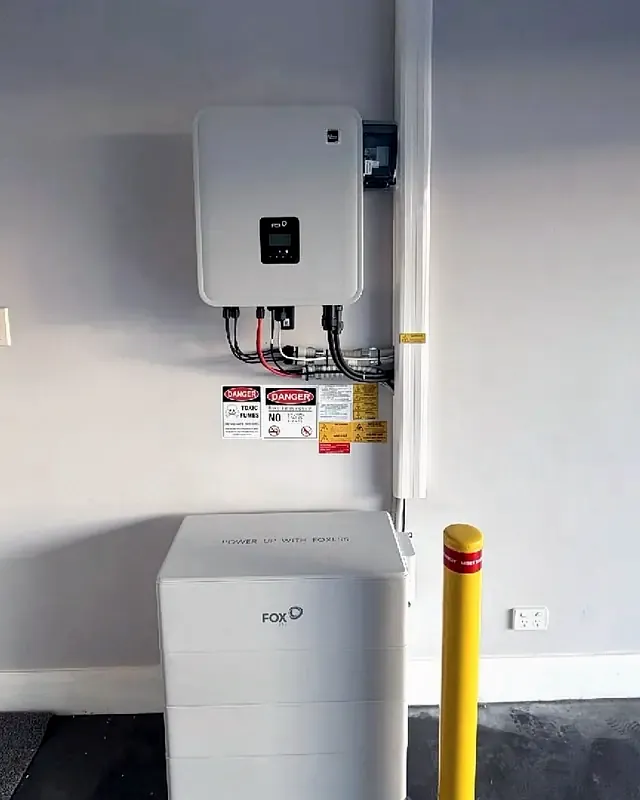
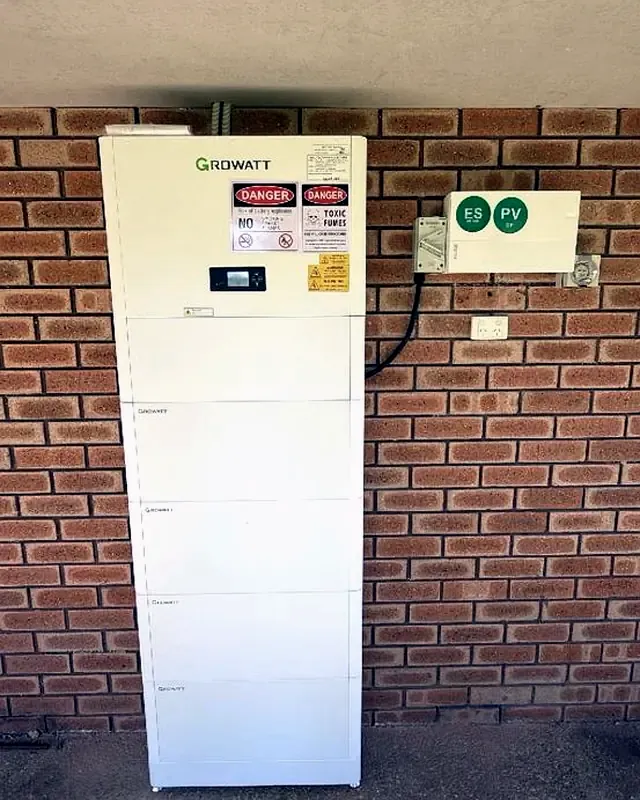
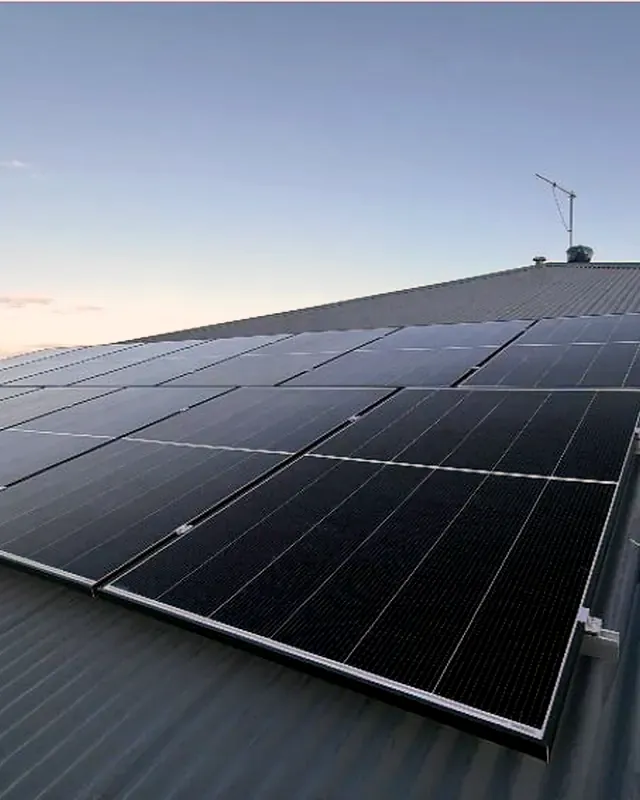
See the work before you sign.
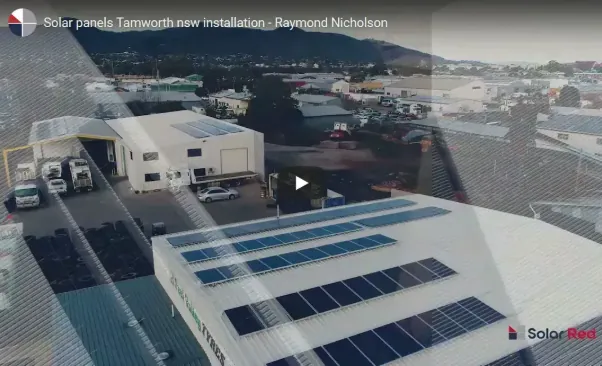
Short clips from real jobs, from family homes to working businesses. Tap any video to watch.



Common questions
How many solar panels do I need?
It depends on your usage and roof. As a guide, a 6.6 kW system is about 15 panels and a 13.2 kW system about 30. We size it from your power bills.
Do solar panels work on cloudy days?
Yes, but they make less power. Output is highest on clear days around midday and drops under heavy cloud.
How long do solar panels last?
Quality panels are built for decades and come with a 25-year performance warranty. Inverters usually need replacing sooner, and come with their own warranty.
Is solar worth it without a battery?
Yes, if you use a good share of your power during the day. A battery lets you also use your solar at night instead of exporting it for a few cents.
What is the STC discount?
Small-scale technology certificates (STCs) are created for eligible systems up to 100 kW and taken off your price upfront. The number of certificates drops each year until 2030.
How much roof space does a 6.6 kW system need?
About 15 panels, roughly 30 to 35 square metres of usable roof depending on the panel model and layout.
Which direction should solar panels face?
North-facing roofs produce the most over a day. East and west roofs still work well and spread production into the morning and afternoon.
Can I add more panels later?
Often, yes, if your inverter and network allow it. It is usually cheaper and simpler to size the system right the first time.
Free, no-obligation quote. Solar Red is an Approved Seller under the New Energy Tech Consumer Code (download the Code).
- Rebates taken off your price first
- Interest-free options for eligible homes
- Installed by SAA accredited local electricians
- Grid application and VPP setup handled for you