Solar panel types
and technology
Panel makers use a lot of labels. This guide explains what they mean and which ones actually make a difference on your roof.
Cell technology explained
Most home panels sold in Australia today are monocrystalline. The differences are in how the cells are built.
| Technology | What it is | Good to know |
|---|---|---|
| Monocrystalline | Cells cut from a single silicon crystal | The standard for home solar today. Older polycrystalline panels are now rarely installed. |
| PERC (P-type) | A rear layer reflects light back through the cell | Was the market standard for years and is being replaced by N-type. |
| N-type TOPCon | N-type silicon with a passivated contact layer | Now mainstream. Higher efficiency and better heat performance than older P-type panels. |
| Heterojunction (HJT) | Crystalline silicon combined with thin amorphous layers | Strong heat performance. Less common in Australian homes. |
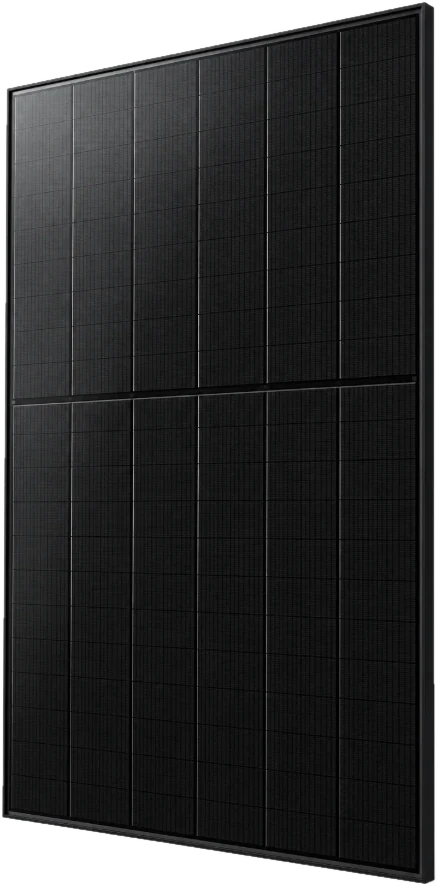
| Back-contact (e.g. ABC) | All electrical contacts moved to the back of the cell | No metal lines on the front, so more light gets in. Often all-black and among the most efficient home panels. |
Features you'll see listed
Half-cut cells
Cells cut in half reduce internal losses and help the panel cope better with partial shade.
All-black panels
Black frames and backsheets for a cleaner look on the roof.
Bifacial panels
Make power from both sides. Mostly useful on ground mounts and some commercial roofs, less so on a home roof.
Multi-busbar
More, thinner conductors on the cell to collect current with fewer losses.
What really matters
- Efficiency: more power from the same roof space, useful when space is tight
- Temperature coefficient: how much output drops as panels heat up. Lower is better
- Degradation and warranty: how much output the maker guarantees over 25 years or more
- Approved product: panels must be on the Clean Energy Council approved list for the STC discount
- Installer quality: good design and installation matter as much as the panel brand
Our choice
We install Tier 1 N-type panels from makers such as Jinko, AIKO, Trina and LONGi, around 23 to 24% efficient in the models we install.
See home solar panelsChoosing solar panels: what really matters
Efficiency
Efficiency is the share of sunlight a panel turns into electricity. The panels we install are around 23 to 24% efficient. Higher efficiency means more power from the same roof area, which matters most when roof space is tight or broken up by vents and skylights. On a large, open roof, a slightly less efficient panel with a strong warranty can still be excellent value.
Temperature coefficient
Panels lose some output as they heat up. The temperature coefficient tells you how much, usually shown as a percentage per degree Celsius. A lower number is better. On a 40 degree Perth day, panel surfaces can run far hotter than the air, so this spec has a real effect on summer output. Modern N-type panels typically perform better here than older P-type panels.
Degradation and warranty
All panels slowly lose output over time. Good manufacturers guarantee how much output remains after 25 or 30 years, and the yearly loss allowed after the first year. Look for both a product warranty, which covers defects, and a performance warranty, which covers output. Check that the manufacturer has an Australian presence to make claims easy.
N-type, TOPCon, back-contact and HJT
Most new home panels are N-type monocrystalline, which has replaced older P-type PERC panels as the mainstream. TOPCon adds a thin passivating layer to improve efficiency. Back-contact designs, such as AIKO's ABC panels, move all the electrical contacts to the back of the cell so no metal lines block light on the front, giving a clean all-black look. Heterojunction (HJT) panels combine crystalline and thin-film layers for strong heat performance but are less common on Australian homes.
Half-cut, dual glass and all-black
Half-cut or quarter-cut cells reduce internal losses and cope better with partial shade. Dual-glass panels use glass on both the front and back, which adds strength and resistance to moisture. All-black panels have black frames and backsheets for a cleaner look on the roof, with performance very close to standard panels.
Approved products and Tier 1
For your system to receive the STC discount, the panels must be on the Clean Energy Council approved list. Tier 1 is a ranking of manufacturers by financial strength and production scale. It says more about the company than about a single panel, so we look at the specific model's warranty, test results and local support as well.
More solar guides
Real installs.
Across WA and NSW.
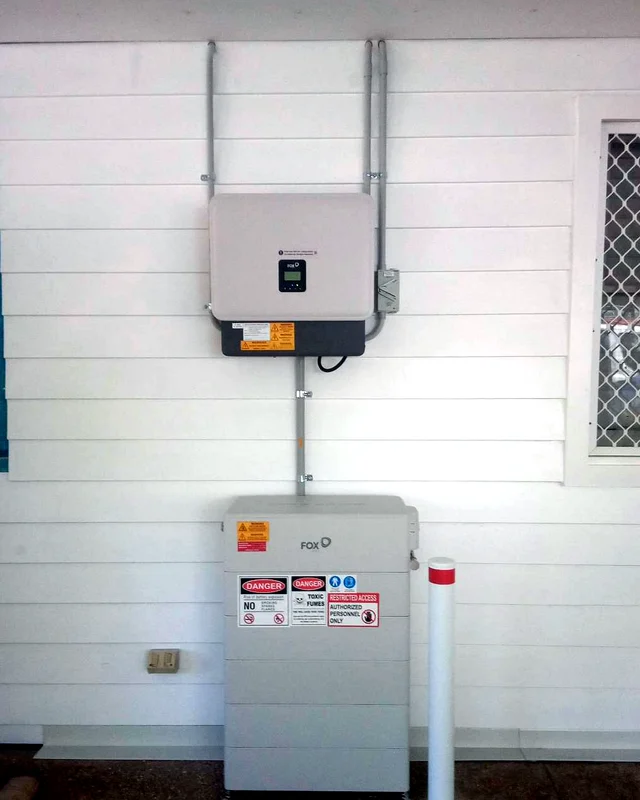
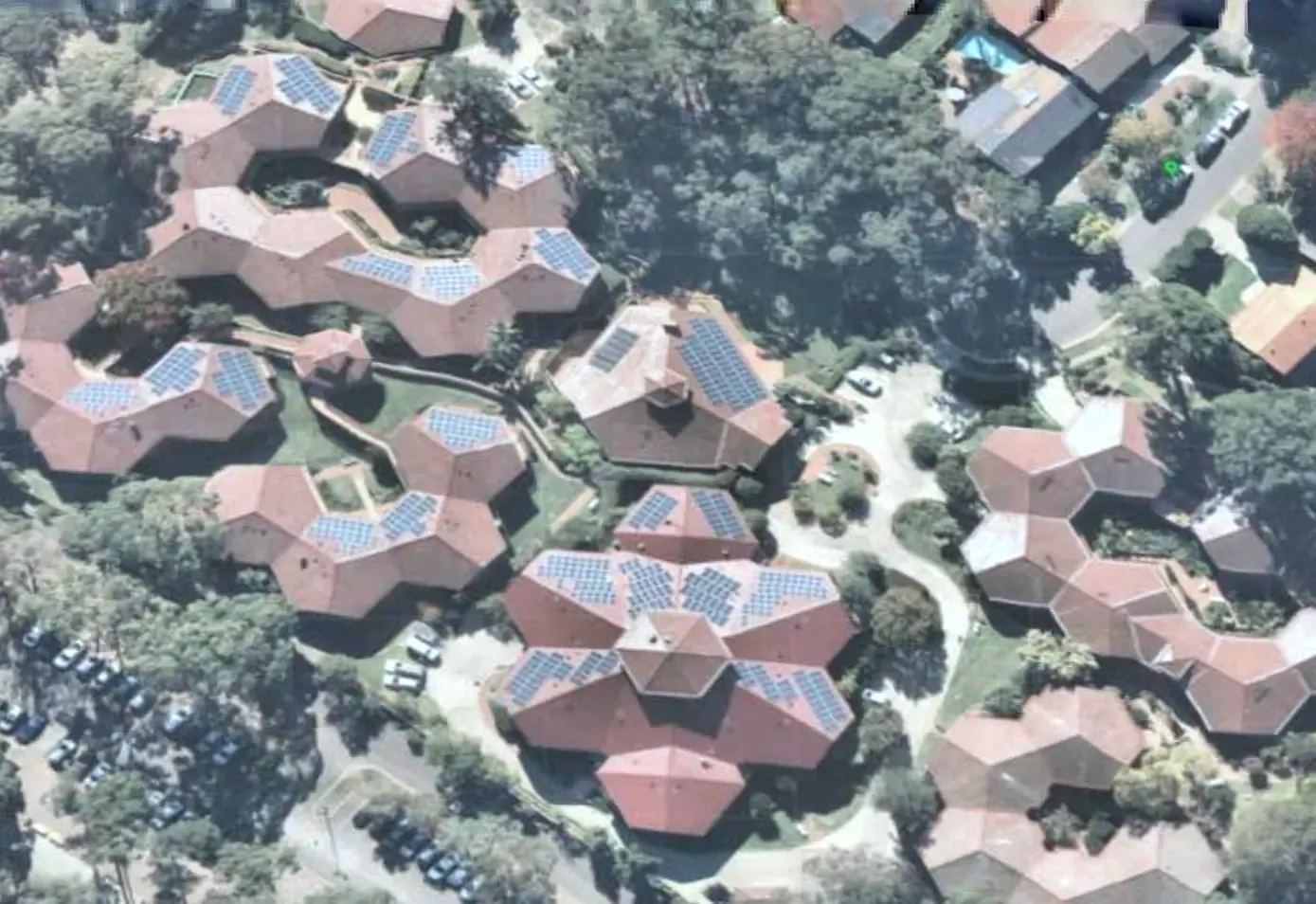
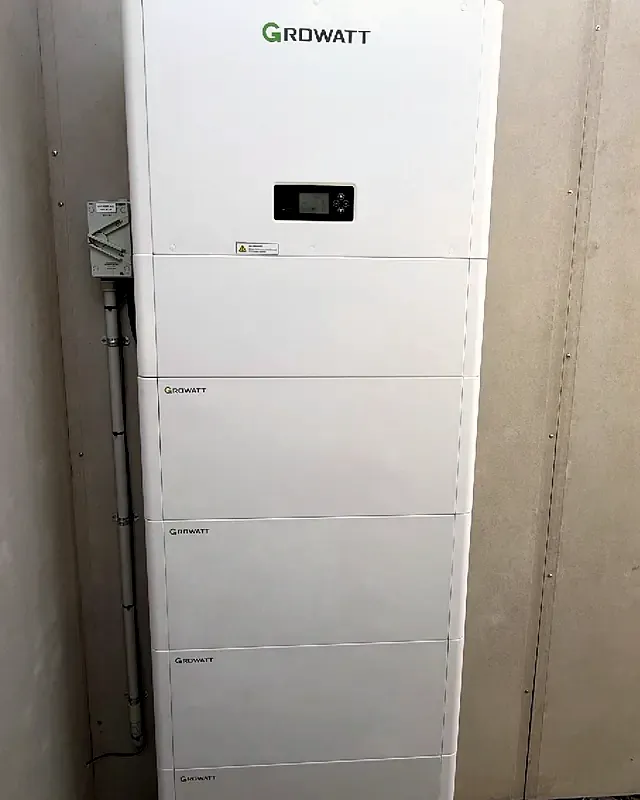
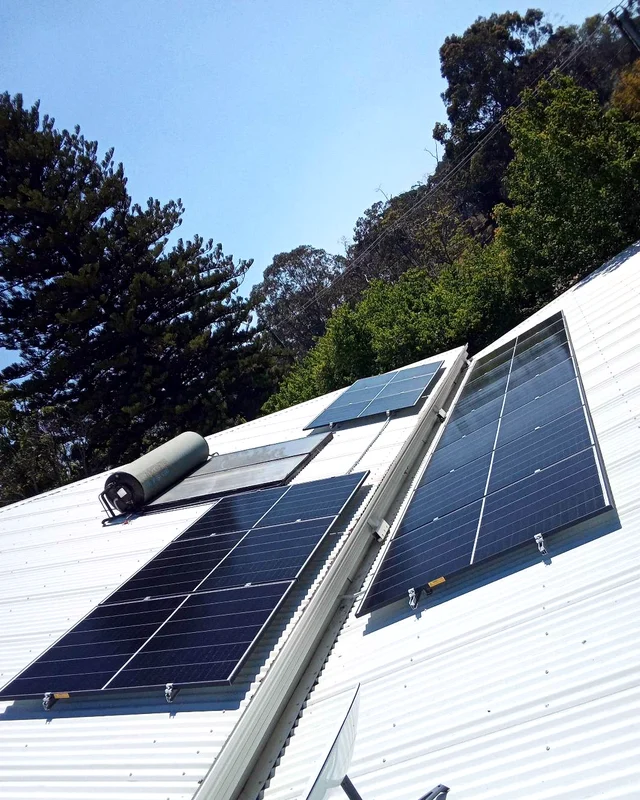
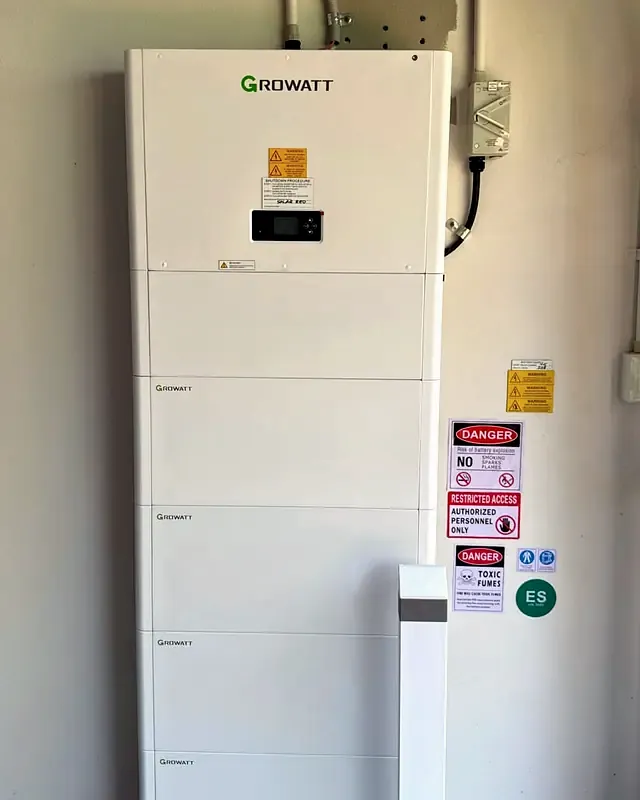
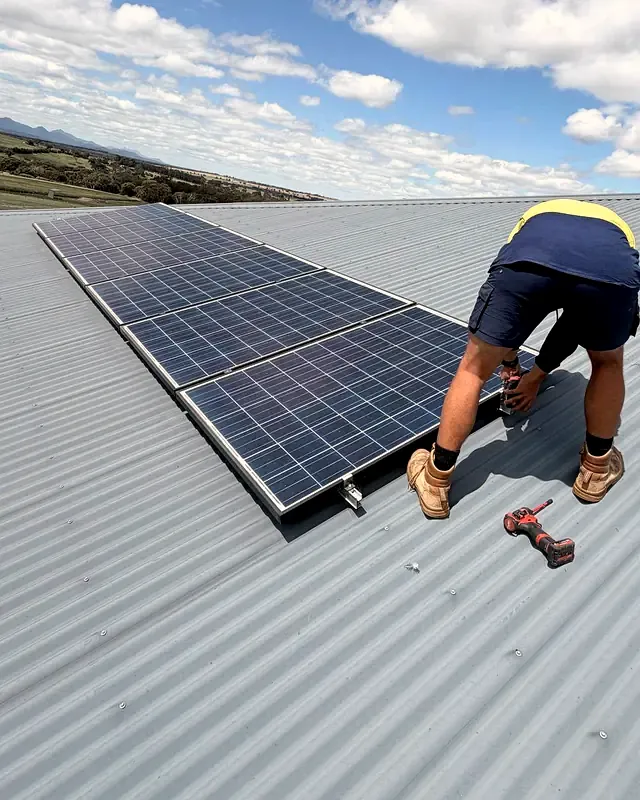
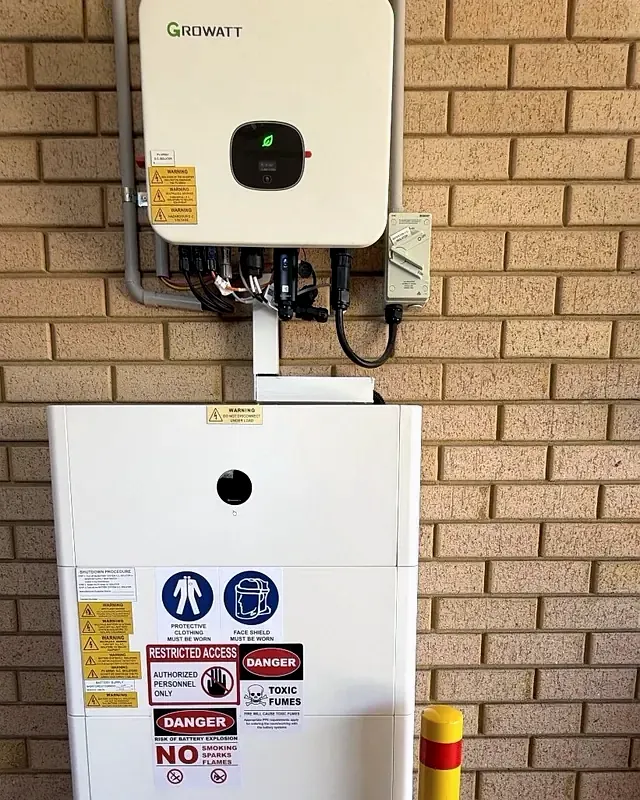
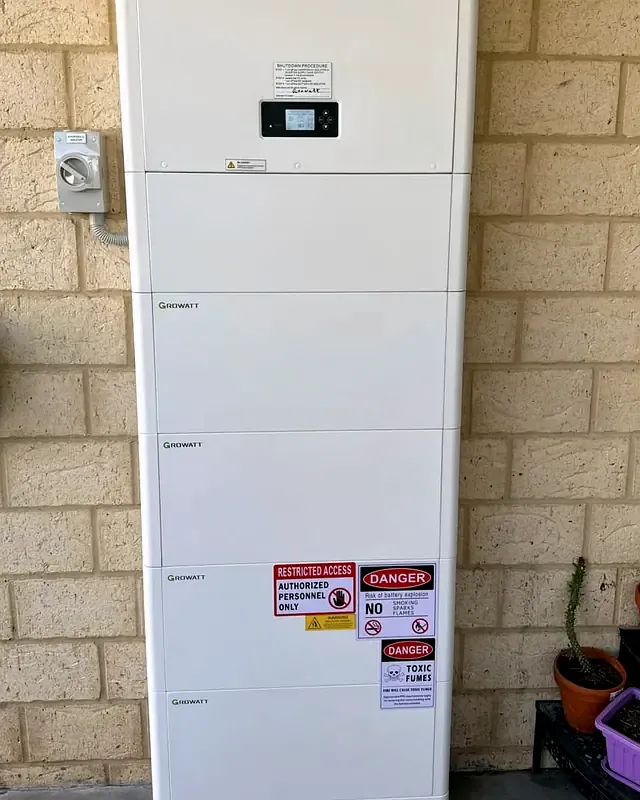
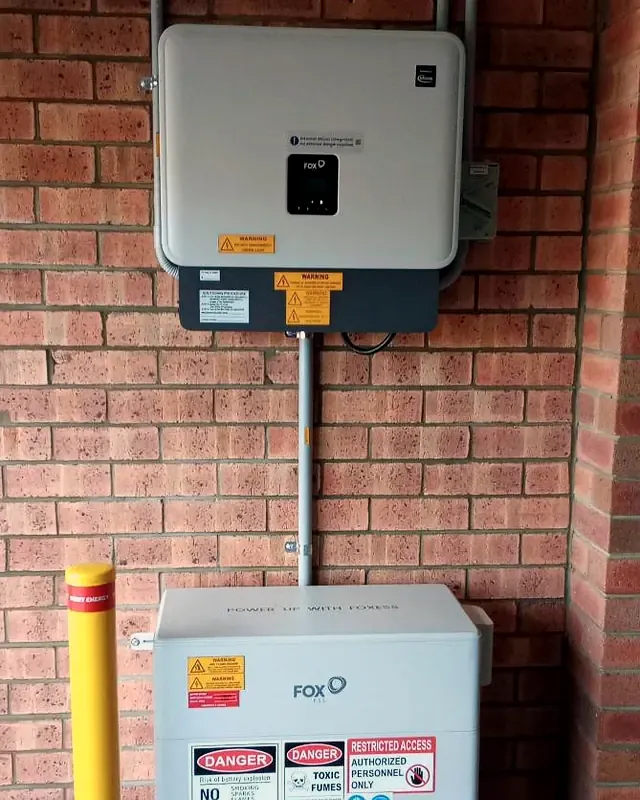
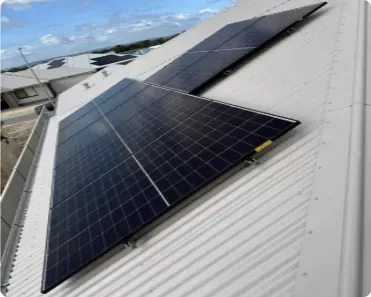
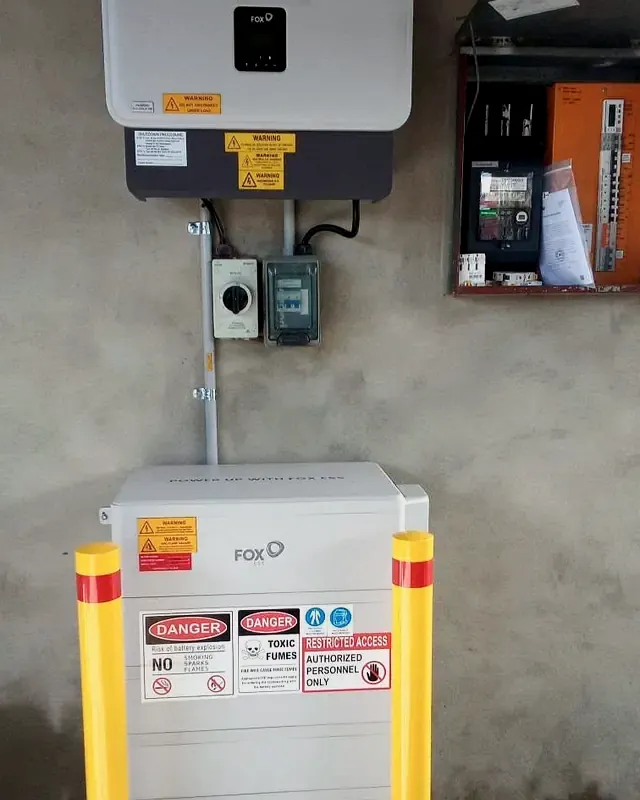
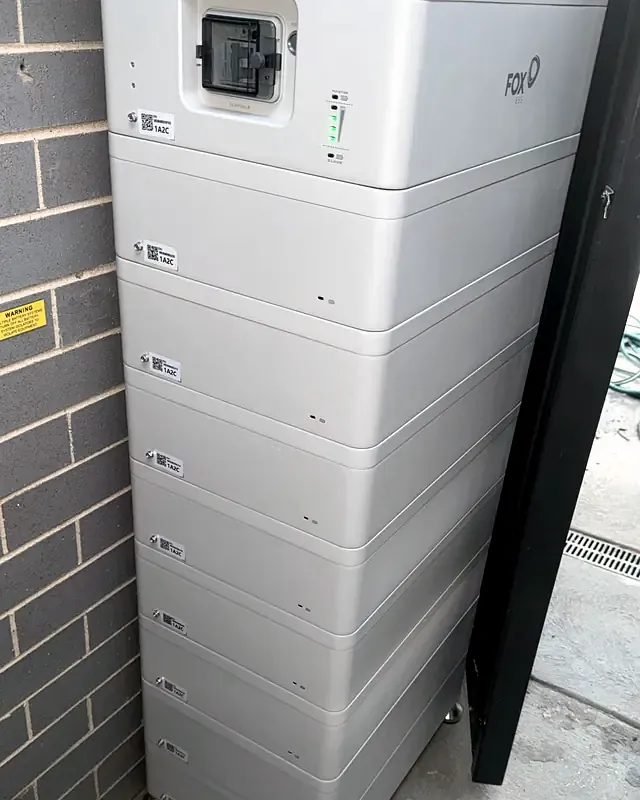
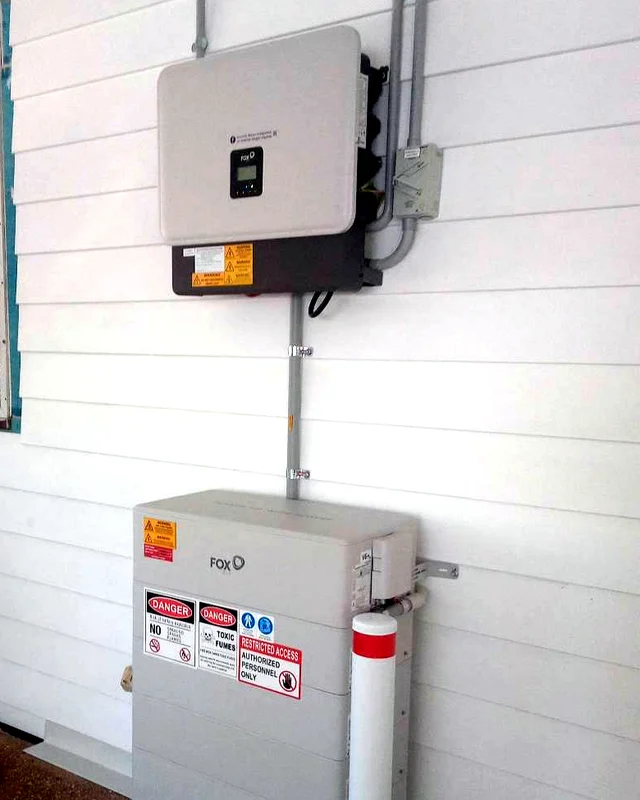
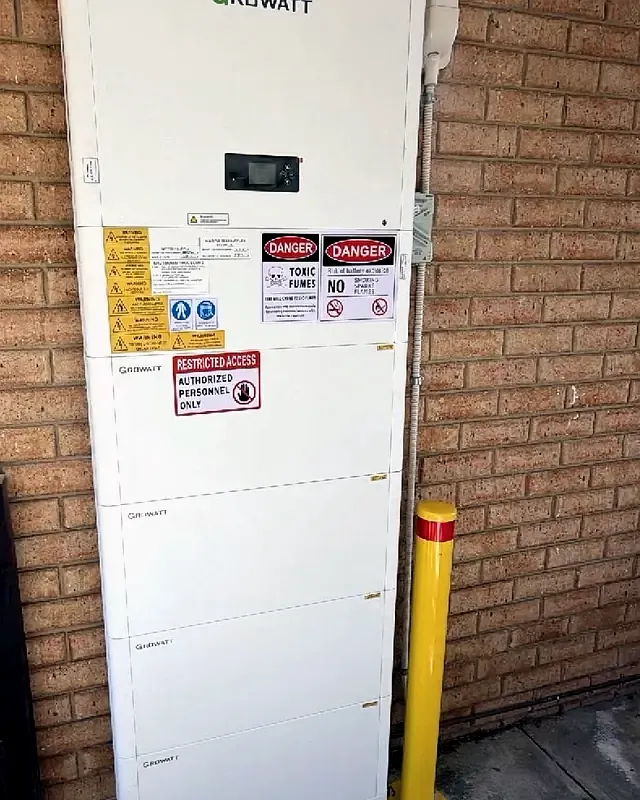
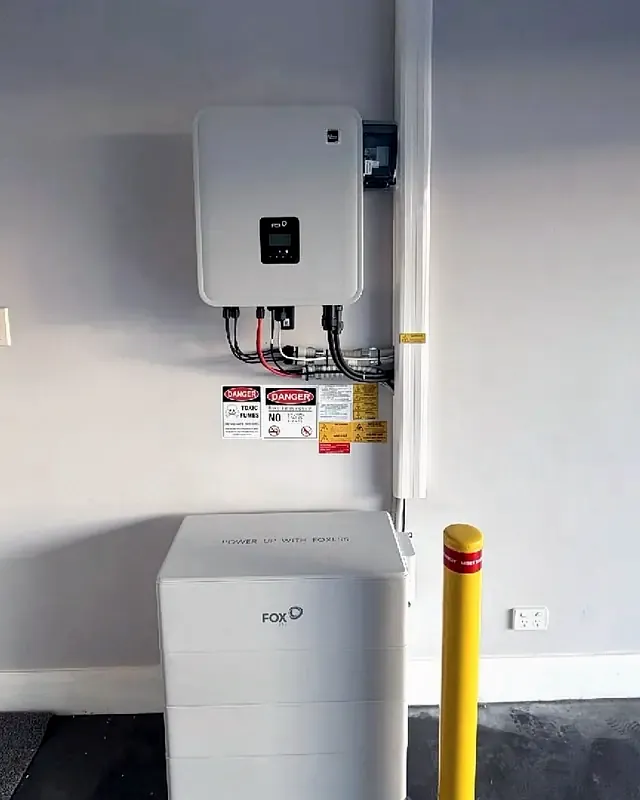
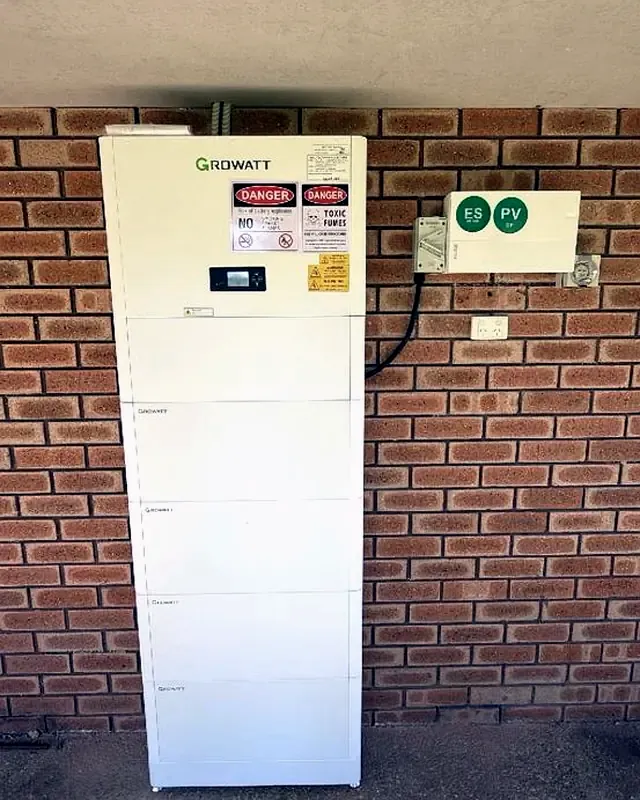
Every system is designed, installed and signed off by our own accredited team. Here are some of the latest.
- 15+ yrsIn the solar market
- WA · NSWHomes and businesses
- SAAAccredited installers
- NETCCApproved Seller
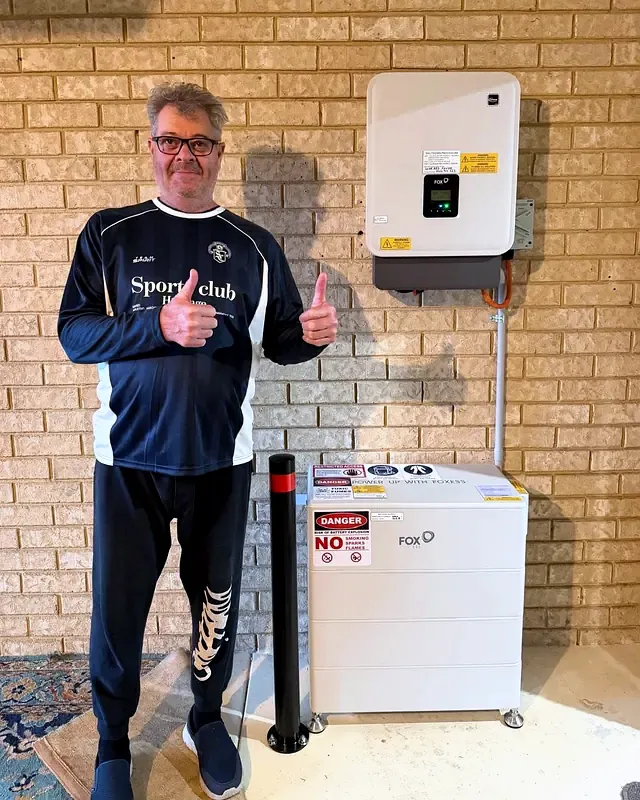
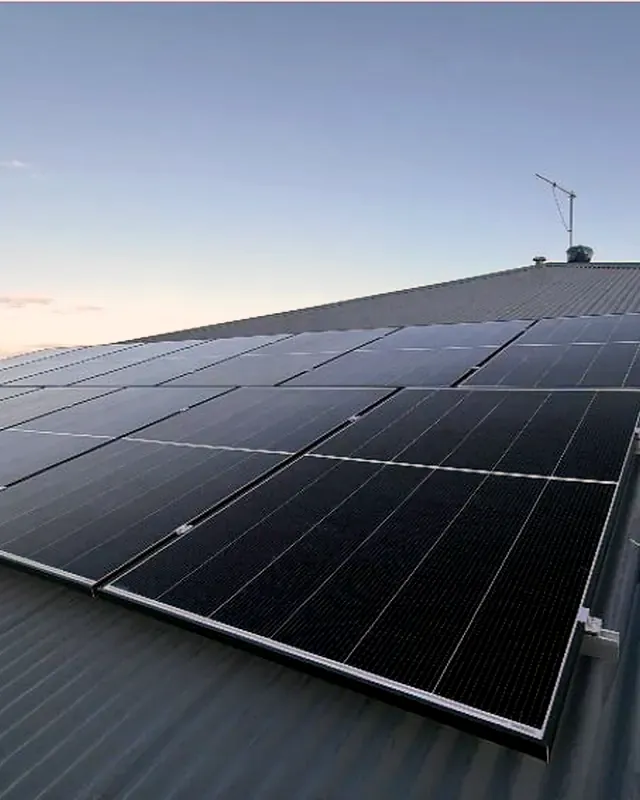
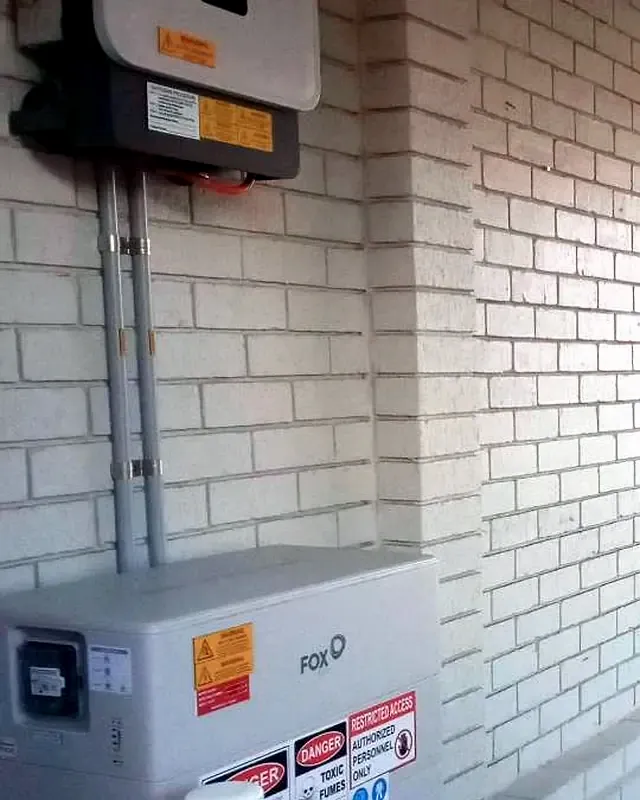
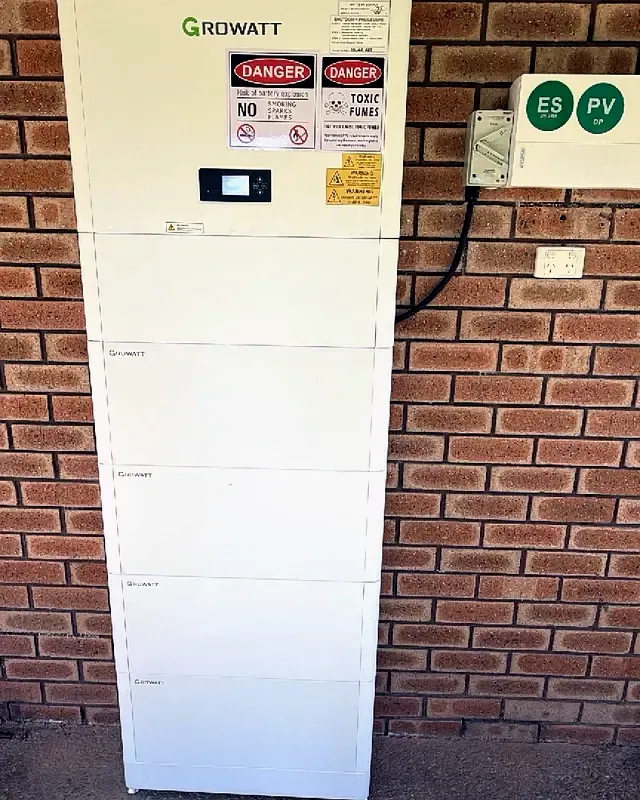
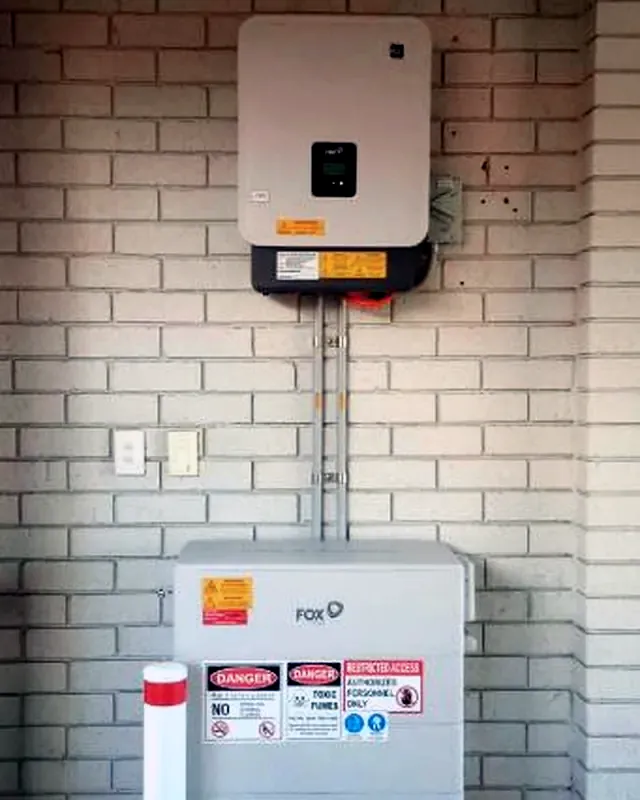
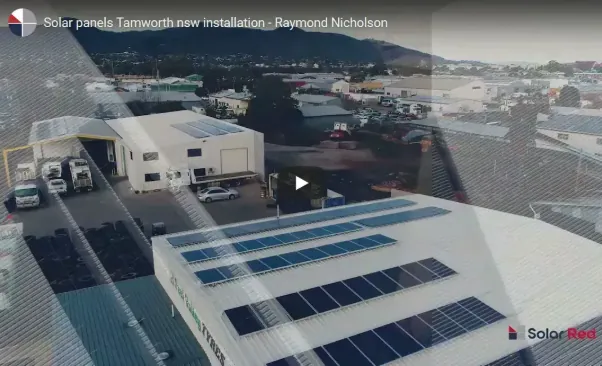
See the work before you sign.
Short clips from real jobs, from family homes to working businesses. Tap any video to watch.



Common questions
Is a higher efficiency panel always better?
Not always. Efficiency matters most when roof space is limited. On a large roof, a well-priced panel with a strong warranty may be better value.
What is a Tier 1 panel?
A ranking of manufacturers by financial strength and production scale. It says more about the company than about a specific panel, so we also look at warranty and test results.
Do all-black panels perform worse?
Modern all-black panels perform very close to standard panels. The difference is mainly looks.
Will panel technology keep improving?
Yes, efficiency keeps creeping up. Waiting for the next improvement usually costs more in missed savings than it gains.
What is the best solar panel brand?
There is no single best brand. We install Tier 1 panels such as Jinko, AIKO, Trina and LONGi and recommend the one that suits your roof and budget.
Do back-contact panels make more power?
They are among the most efficient home panels and look clean, but on a large roof the difference in total output can be small.
Are all-black panels worth it?
If looks matter to you, yes. Modern all-black panels perform very close to standard panels.
Free, no-obligation quote. Solar Red is an Approved Seller under the New Energy Tech Consumer Code (download the Code).
- Rebates taken off your price first
- Interest-free options for eligible homes
- Installed by SAA accredited local electricians
- Grid application and VPP setup handled for you