How solar panels
work
A plain-English guide to how your roof turns sunlight into electricity, where that power goes, and why a battery changes the picture.
From sunlight to your power points
- 01
Sunlight hits the cells
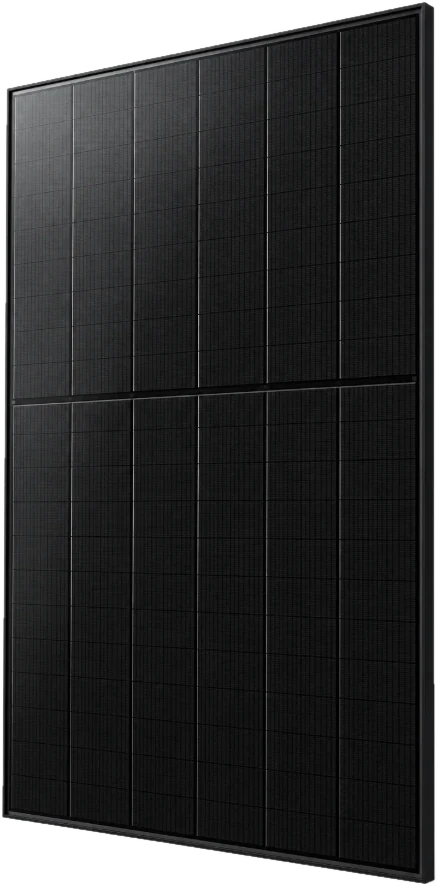
Each panel is made of silicon cells. Light knocks electrons loose in the cells, which creates a flow of direct current (DC).
- 02
Panels are wired together
Panels are connected in strings so their power adds up, then run down to your inverter through roof-top and wall isolators.
- 03
The inverter converts it
The inverter turns DC into the alternating current (AC) your home uses, and monitors the grid for safety.
- 04
Your home uses it first
Solar power goes to whatever is running in your home at that moment, so you buy less from the grid.
- 05
Extra goes to a battery or the grid
Spare power charges your battery if you have one. Anything left is exported to the grid for a feed-in credit.
What affects your output
Direction and tilt
North-facing roofs make the most over a day. East and west roofs spread production into the morning and afternoon.
Shade
Trees, chimneys and neighbouring buildings cut output. Good design keeps panels clear of shade.
Heat
Panels lose some efficiency as they get hotter. Better panels lose less, which matters in hot climates.
Dirt and dust
A film of dust or bird droppings blocks light. Rain cleans most tilted panels.
Panel technology
Modern N-type panels turn more of the sunlight into power than older panels.
Season
Long summer days produce more than short winter days.
What happens after dark
- Panels stop producing when the sun goes down
- Without a battery, your home buys power from the grid at night
- With a battery, stored solar runs your home in the evening and overnight
- In a blackout, a standard solar system switches off for safety, so line workers aren't put at risk
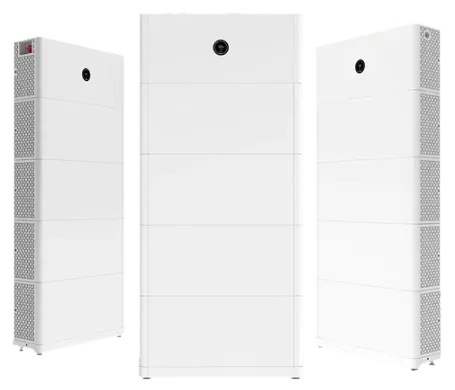
- A battery with backup keeps essential circuits running when the grid goes down
Make solar work at night
A battery stores your spare midday power instead of exporting it for a few cents, then runs your home after dark.
Explore solar batteriesSolar power explained in depth
The photovoltaic effect
Solar panels are made of silicon cells. When light hits a cell, its energy frees electrons in the silicon, and the cell's structure pushes those electrons in one direction, creating a direct current (DC). This is called the photovoltaic effect. A typical home panel contains dozens of cells wired together, and a system contains many panels wired in strings so their voltages add up.
What the inverter does
Your home and the grid run on alternating current (AC), so the DC from your panels has to be converted. That is the inverter's job. It also finds the best operating point for your panels as the light changes through the day (called maximum power point tracking, or MPPT), monitors the grid, and switches off instantly if the grid fails so it never feeds power into lines that crews may be working on.
A hybrid inverter does all of this and also manages a battery, deciding when to charge it from solar and when to discharge it to run your home.
Where your solar power goes
Solar power always goes to whatever is running in your home first. If your panels make more than you are using, the extra charges your battery if you have one. Anything left after that is exported to the grid, and your retailer credits you at its feed-in rate. At night, your home draws from the battery, then from the grid once the battery is empty.
Because feed-in rates are now low in many areas, the value of solar comes mainly from the power you use yourself. That is why batteries and smart use of appliances during the day make such a difference.
Why output changes through the day and year
Output follows the sun. It ramps up in the morning, peaks around midday and falls away in the afternoon. Summer days are longer and the sun is higher, so summer output is much higher than winter. Panels also lose a little efficiency as they heat up, which is why the temperature coefficient matters in hot Australian conditions. Shade, dust and the angle and direction of your roof all affect how much you get.
Solar in a blackout
A standard grid-connected solar system switches off during a blackout, even in full sun. This is a safety requirement. To keep power on, you need a battery with backup capability. Depending on the system, backup can cover selected essential circuits or the whole home, and some systems let solar keep recharging the battery during the outage.
More solar guides
Real installs.
Across WA and NSW.
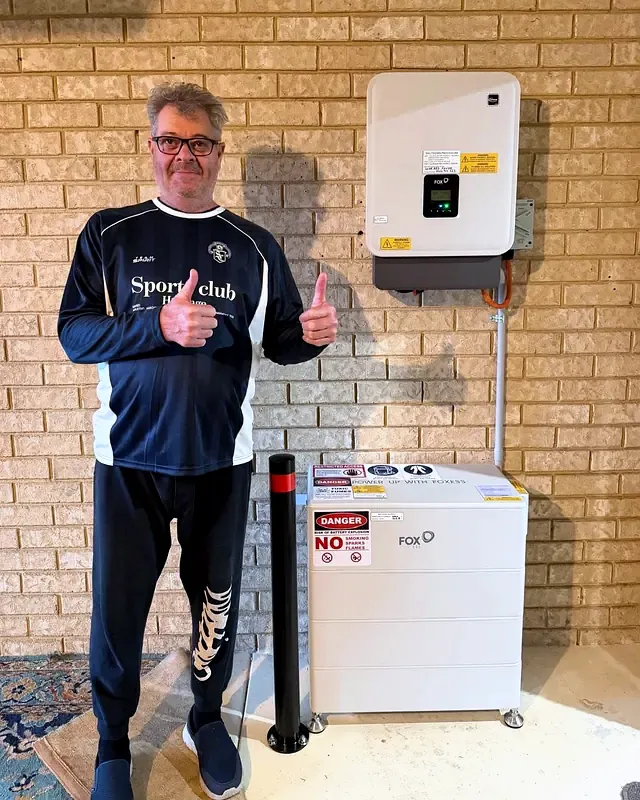
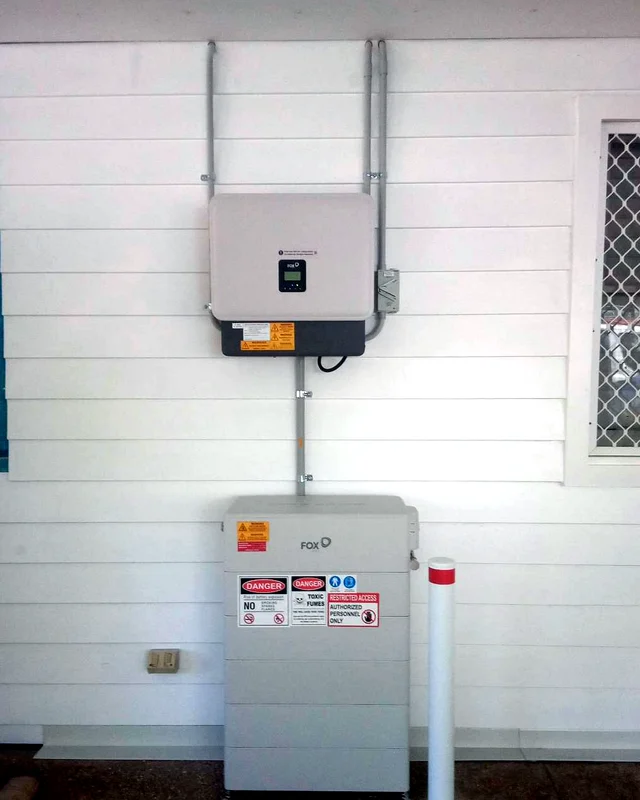
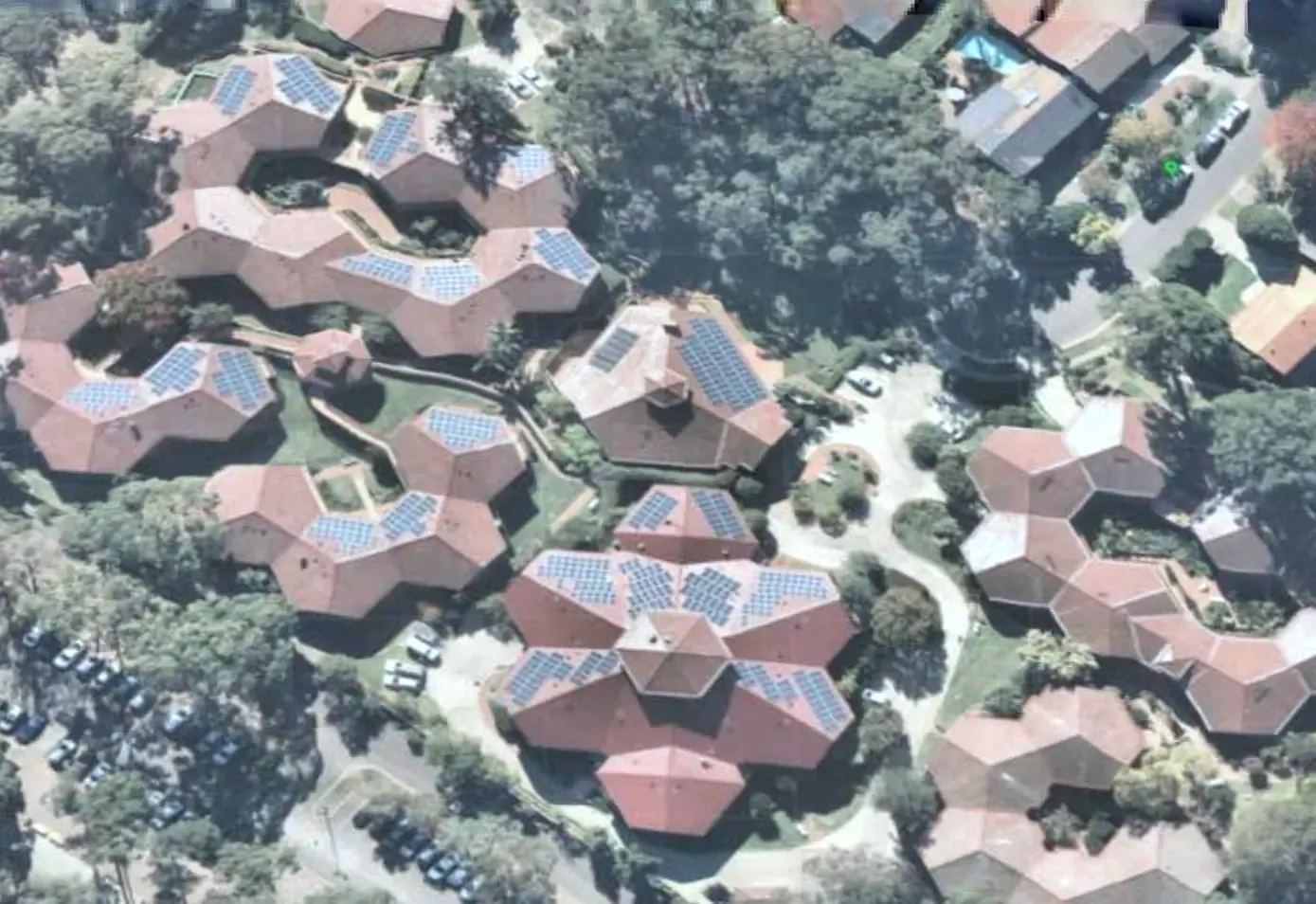
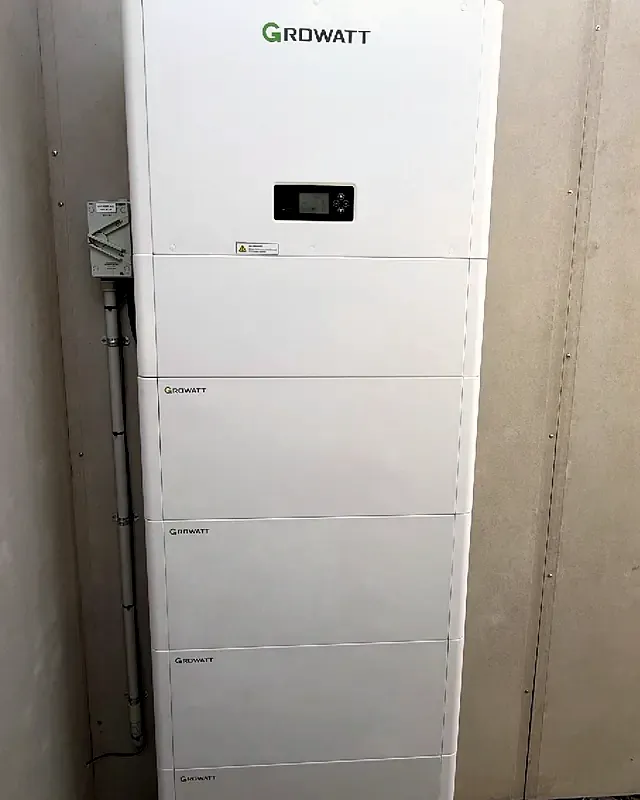
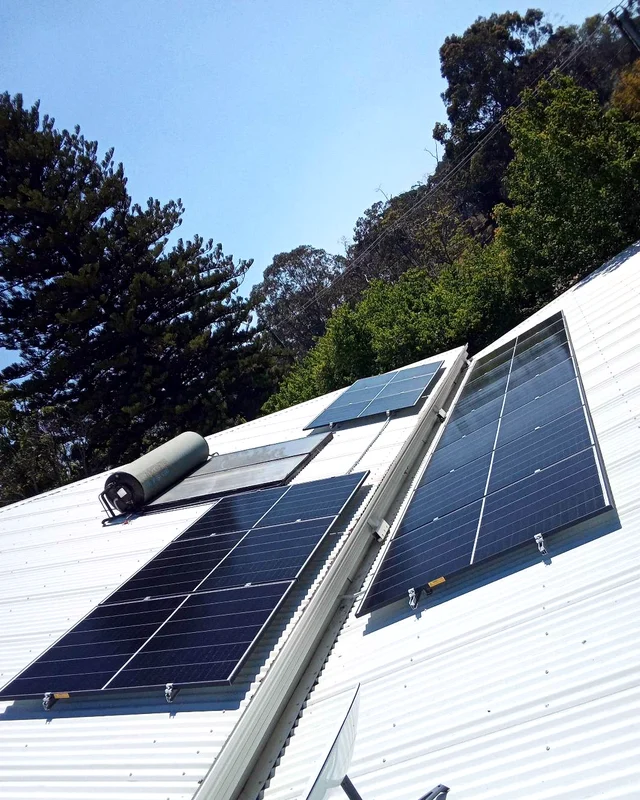
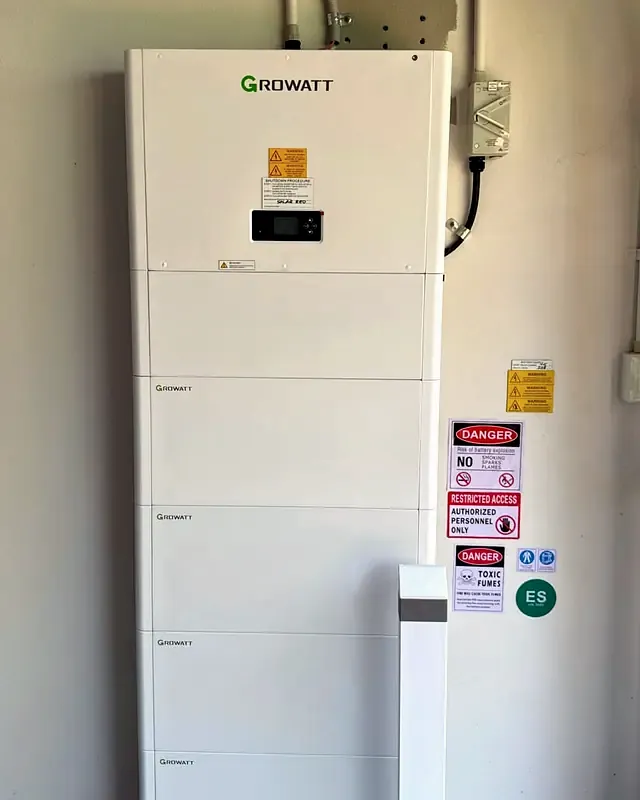
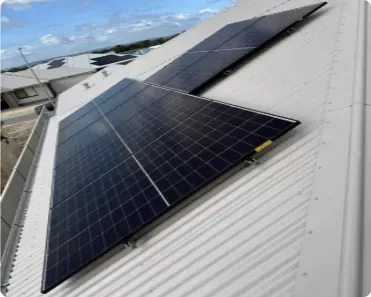
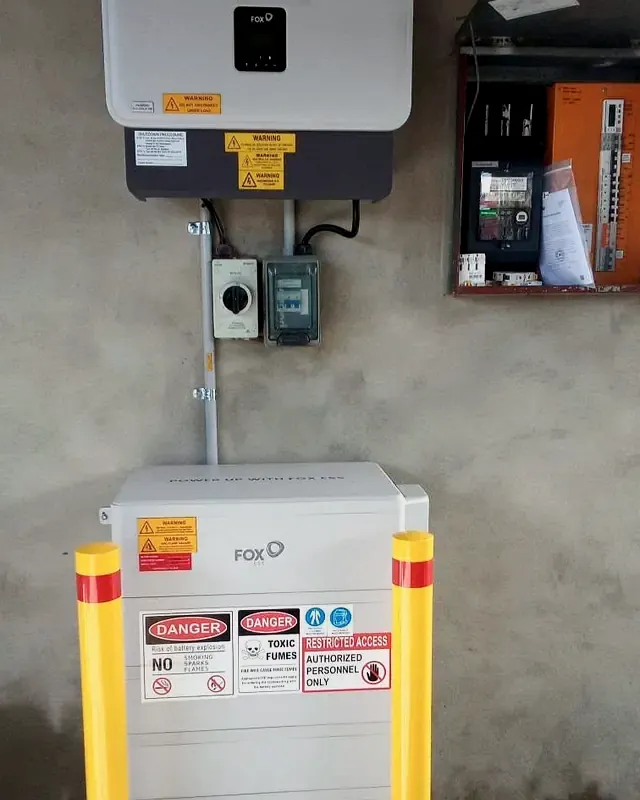
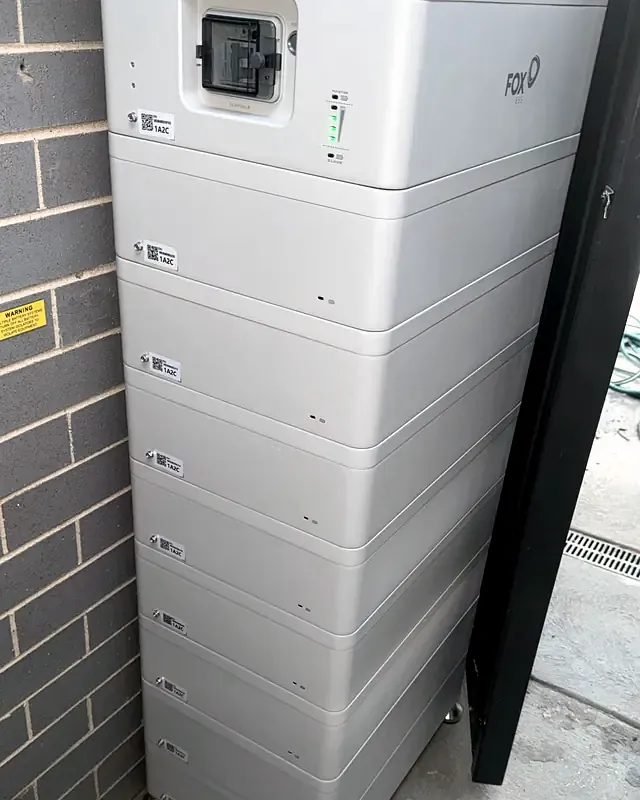
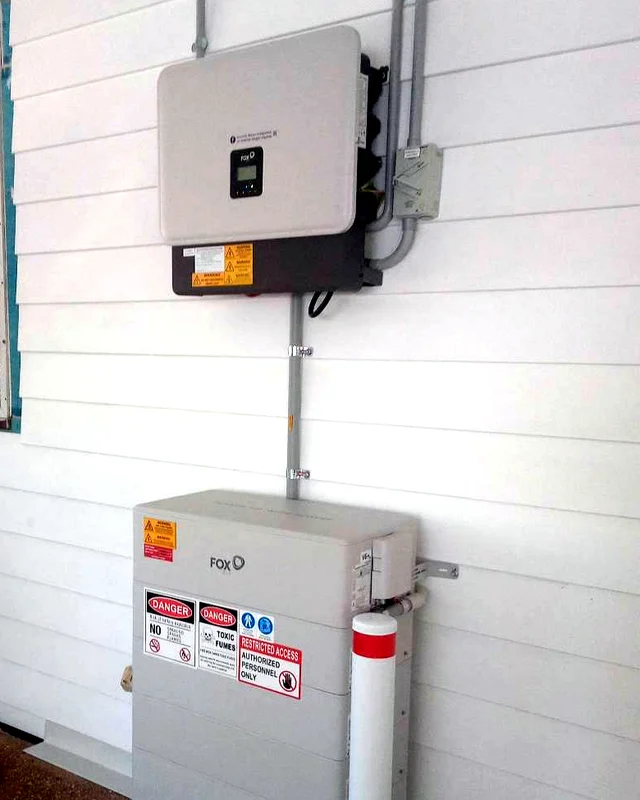
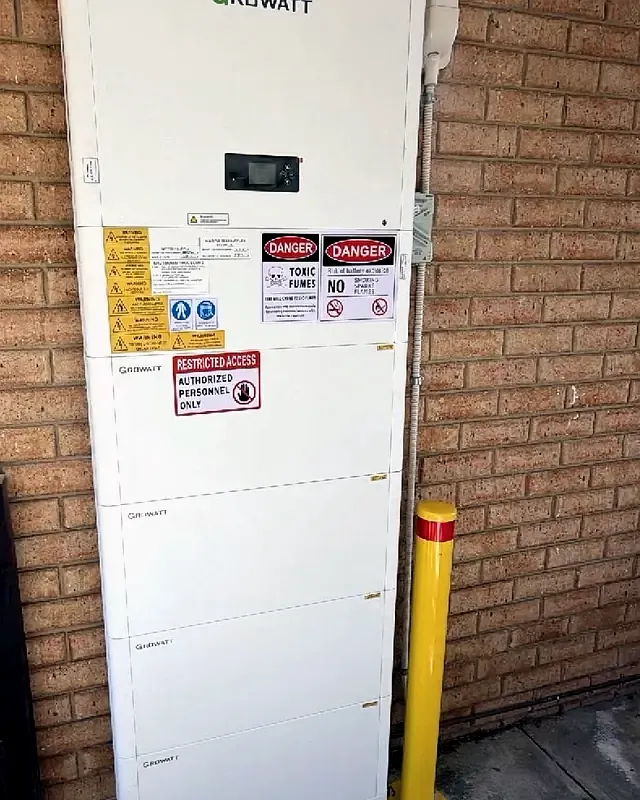
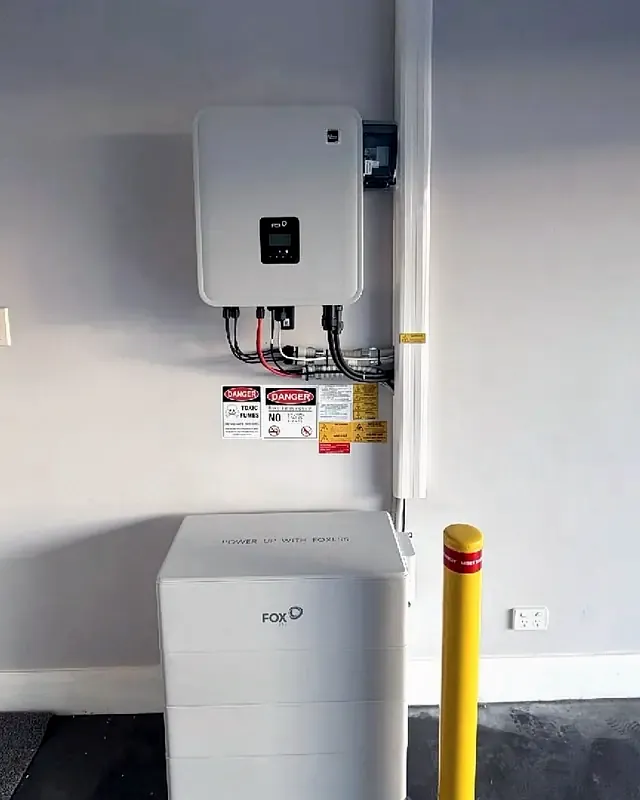
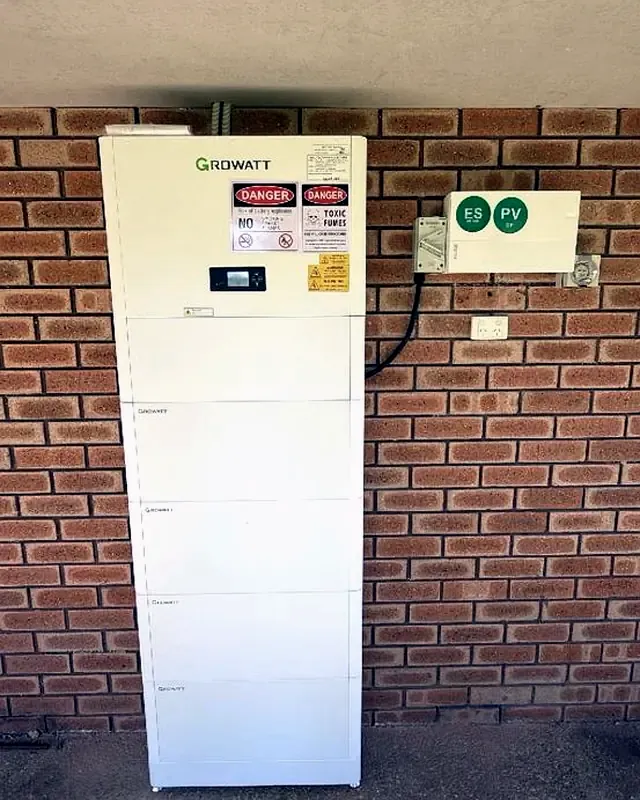
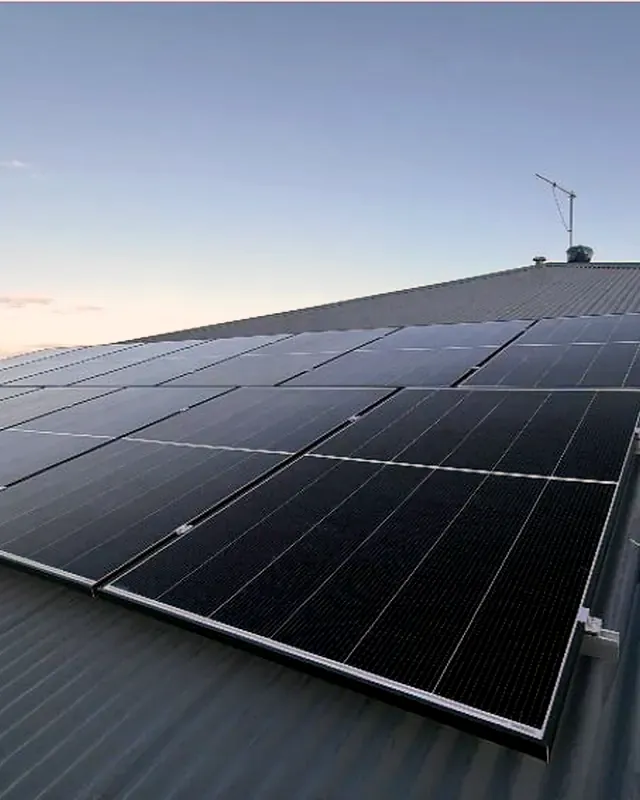
Every system is designed, installed and signed off by our own accredited team. Here are some of the latest.
- 15+ yrsIn the solar market
- WA · NSWHomes and businesses
- SAAAccredited installers
- NETCCApproved Seller
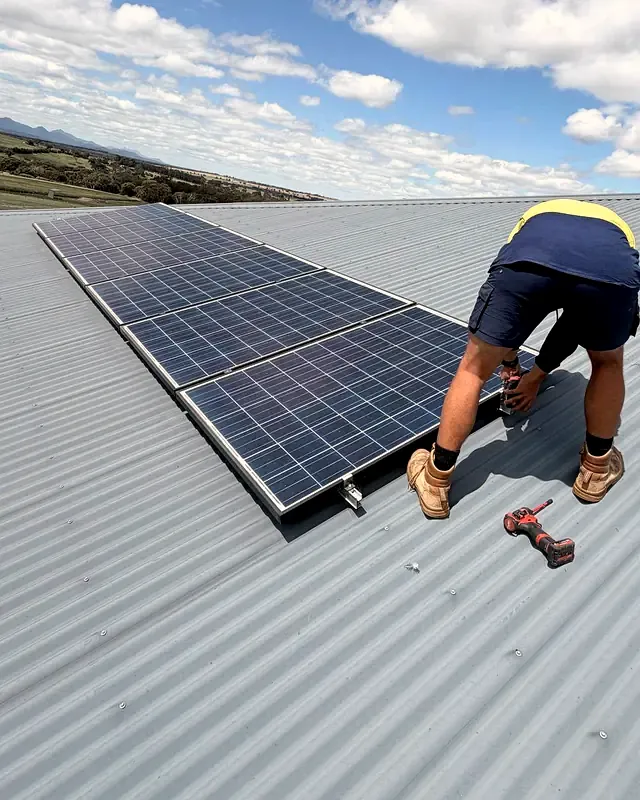
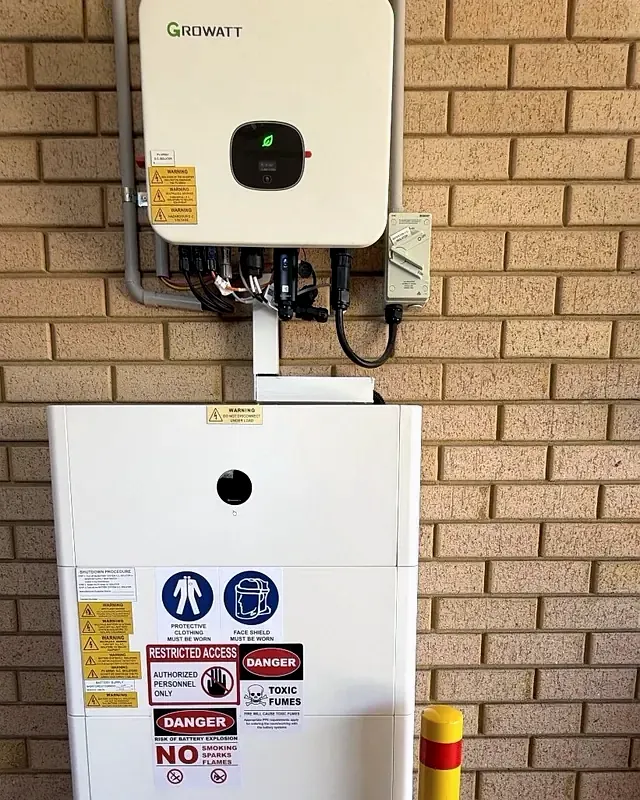
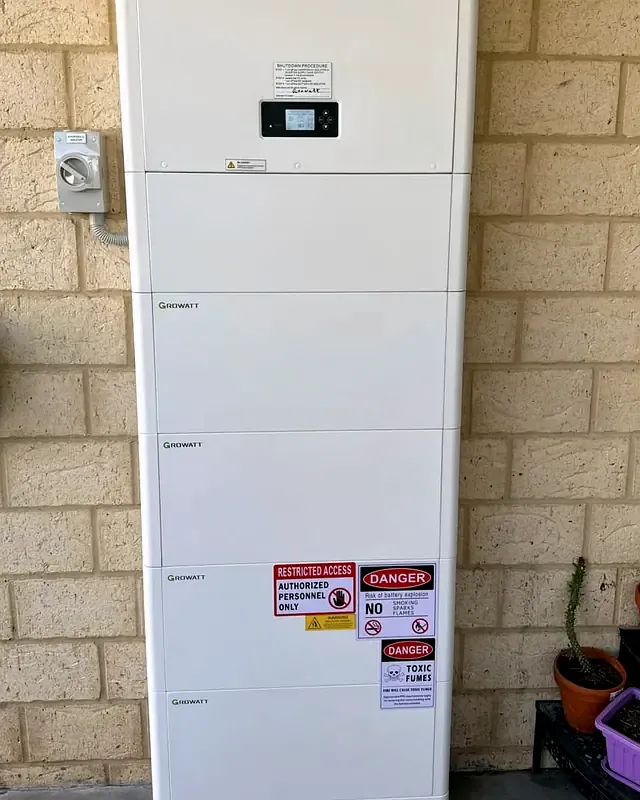
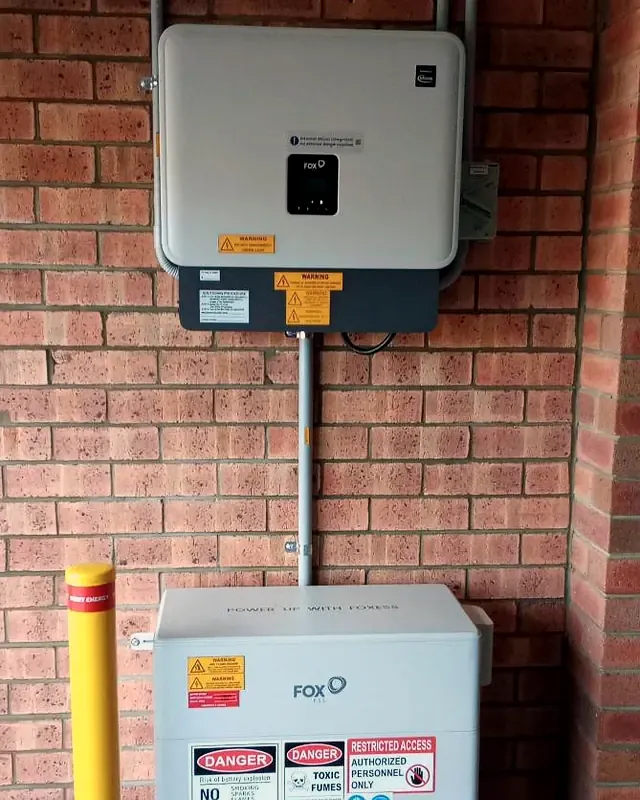
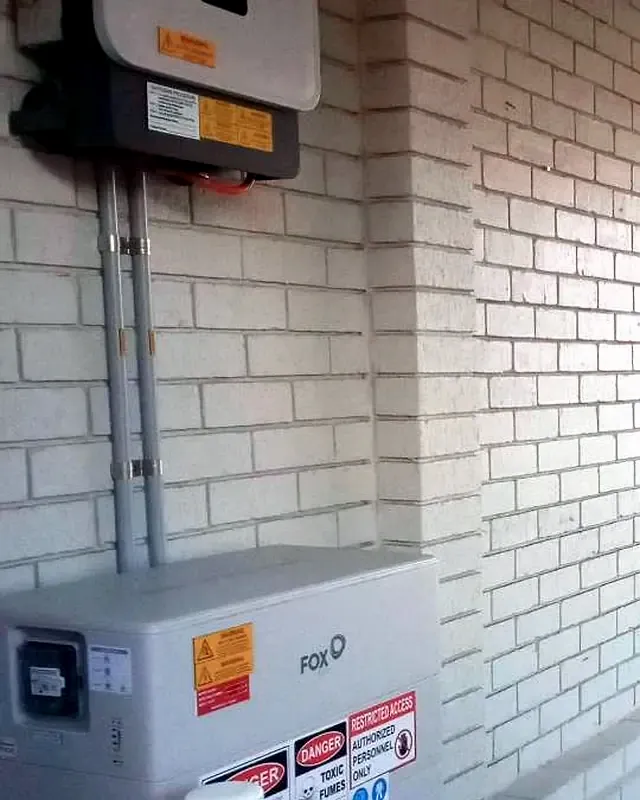
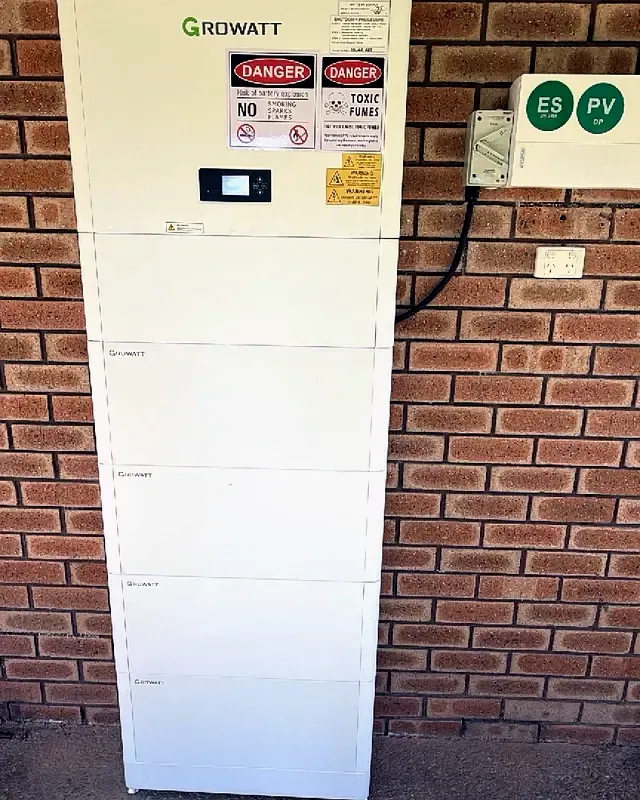
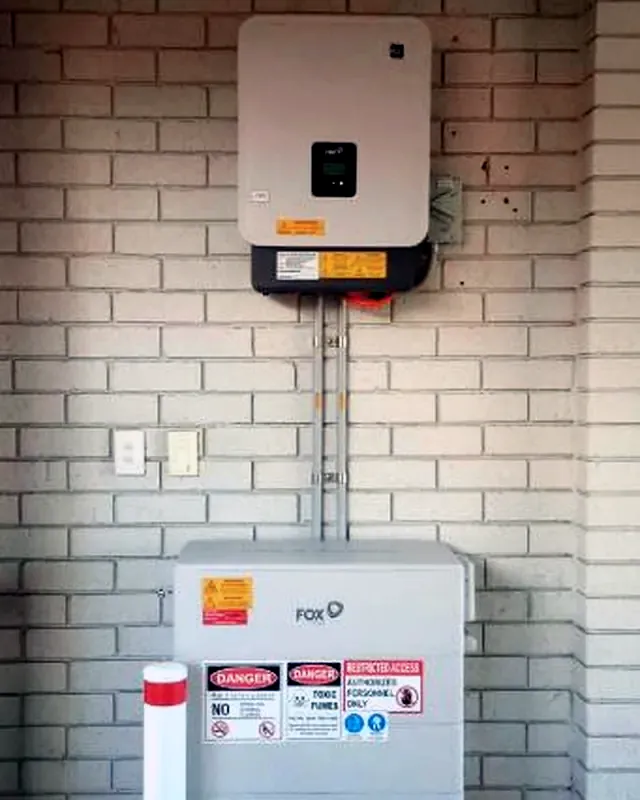
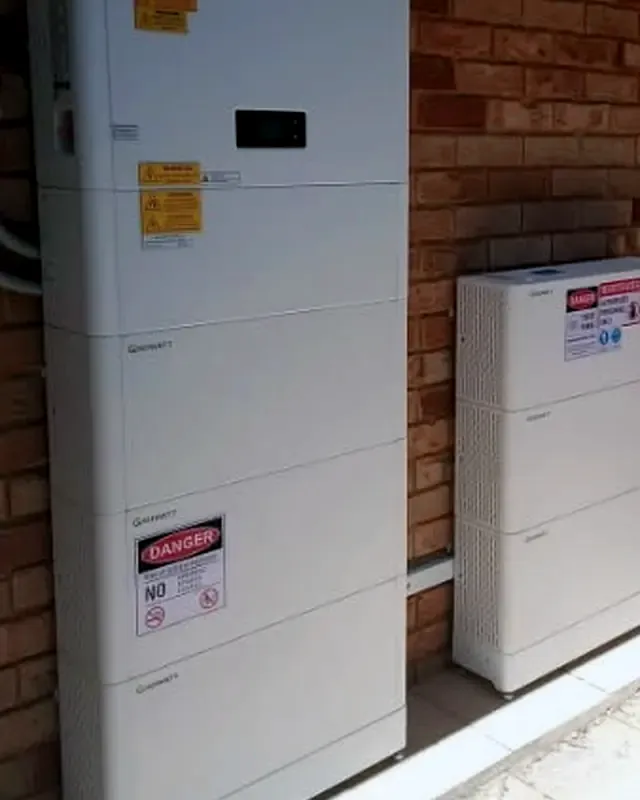
See the work before you sign.
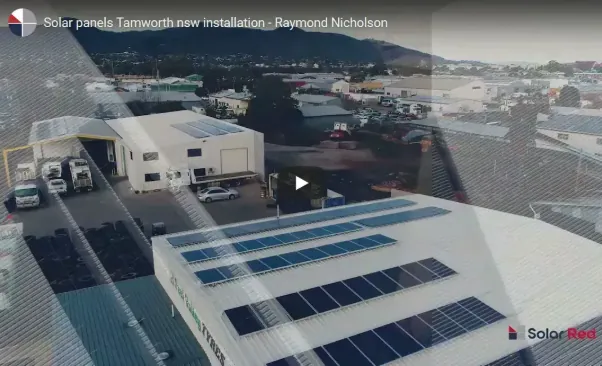
Short clips from real jobs, from family homes to working businesses. Tap any video to watch.



Common questions
Do solar panels need direct sunlight?
They work best in direct sun but still produce some power in bright, overcast conditions.
Why does my system stop in a blackout?
Grid-connected inverters must shut down when the grid fails so they don't send power into the lines while crews are working. A battery with backup can keep selected circuits running.
What is an inverter?
It converts the DC power from your panels into AC power for your home. A hybrid inverter also manages a battery.
What happens to the power I don't use?
It charges your battery first if you have one, then is exported to the grid. Your retailer credits exports at its feed-in rate.
Do panels make power in winter?
Yes. Output is lower because days are shorter and the sun is lower, but panels keep working all year.
What is MPPT?
Maximum power point tracking. The inverter constantly adjusts how it draws power from your panels to get the most output as conditions change.
Do solar panels need to be cleaned to work?
Rain cleans most tilted panels. A heavy build-up of dust or droppings reduces output, so clean them safely if you see one.
How long do inverters last?
Inverters usually need replacing before panels do. They come with their own manufacturer warranty, listed in your quote.
Free, no-obligation quote. Solar Red is an Approved Seller under the New Energy Tech Consumer Code (download the Code).
- Rebates taken off your price first
- Interest-free options for eligible homes
- Installed by SAA accredited local electricians
- Grid application and VPP setup handled for you