Solar feed-in
tariffs
What you are paid for exported solar in WA and NSW, and why using your own solar now saves far more than selling it.
Feed-in rates at a glance
| Where | Rate | Notes |
|---|---|---|
| WA (Synergy DEBS) | 10c per kWh, 3pm to 9pm | Peak window for net exports |
| WA (Synergy DEBS) | 2c per kWh, all other times | Most of the solar day |
| NSW | 3.4 to 6.5c per kWh (IPART 2026–27 flat benchmark) | A guide only. Retailers set their own rates and don't have to match it |
Rates are reviewed each year. Check your retailer for the rate on your plan.
Feed-in tariffs explained
What a feed-in tariff is
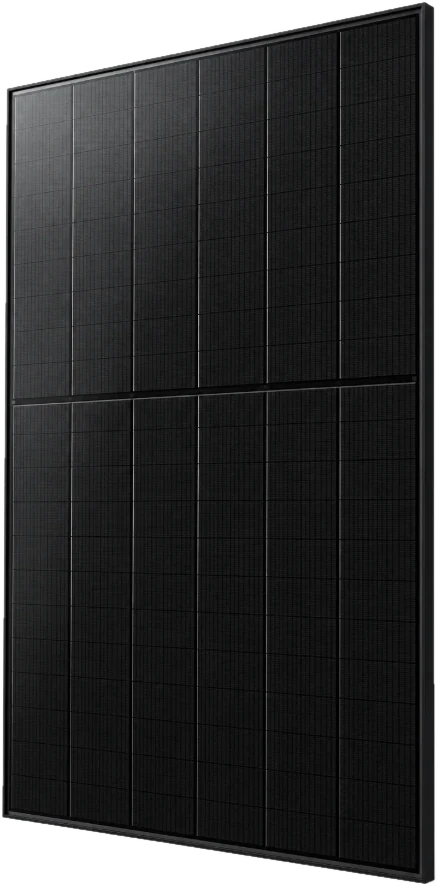
A feed-in tariff is what your retailer pays you for solar power you export to the grid. It appears as a credit on your bill. When solar first became popular, feed-in tariffs were high. Today they are much lower than the price you pay to buy power, which changes how you should use your solar.
WA: the Distributed Energy Buyback Scheme
Most Perth homes on Synergy are on the Distributed Energy Buyback Scheme (DEBS). It currently pays 10c per kWh for net exports between 3pm and 9pm and 2c per kWh at all other times. Because most solar is produced well before 3pm, most exports earn the 2c rate. Regional WA customers with Horizon Power have their own buyback rates.
NSW: IPART benchmarks
In NSW, retailers set their own feed-in tariffs. IPART publishes a benchmark range as a guide, and for 2026–27 the flat all-day benchmark is 3.4 to 6.5c per kWh. Retailers are not required to offer rates within this range, so it pays to compare plans.
Why using your solar beats selling it
Every kWh you use yourself saves you the full retail price, around 33c per kWh on Synergy's A1 rate from 1 July 2026, compared with 2c to 10c for exporting it. That is why running appliances during the day, and storing midday solar in a battery for the evening, saves far more than exporting.
Making the most of your solar
Run the dishwasher, washing machine, pool pump and hot water during the day. Pre-cool or pre-heat your home in the afternoon. Charge an electric car from solar where you can. And consider a battery to store your midday surplus for the evening peak.
Getting more from your exports
Time of export matters in WA
Because Synergy's DEBS pays 10c per kWh between 3pm and 9pm and 2c at other times, a west-facing panel array that produces more in the late afternoon earns a little more for exports. A battery can also be set up to export some stored energy during the peak window, depending on the system and your plan.
Comparing NSW plans
In NSW, compare the whole plan, not just the feed-in rate. A plan with a high feed-in tariff may have higher usage or supply charges that cost you more overall. If you have a battery, the price you pay for evening power matters more than the feed-in rate.
Export limits
Your network may limit how much your system can export at once. This doesn't stop you using your own solar, but it can cap exports on sunny days. A battery stores power that would otherwise be limited.
Solar and batteries together
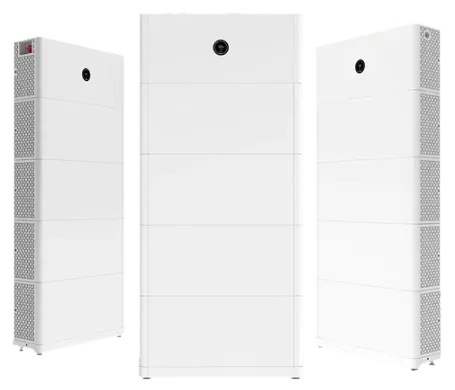
With low feed-in tariffs, the best way to get value from your solar is to use it. A battery turns 2c exports into savings worth the full retail price in the evening.
More solar guides
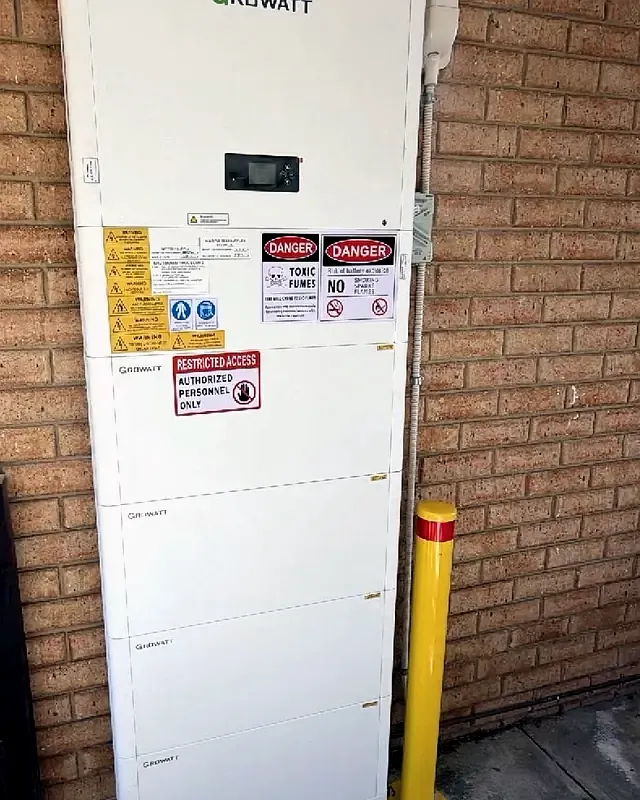
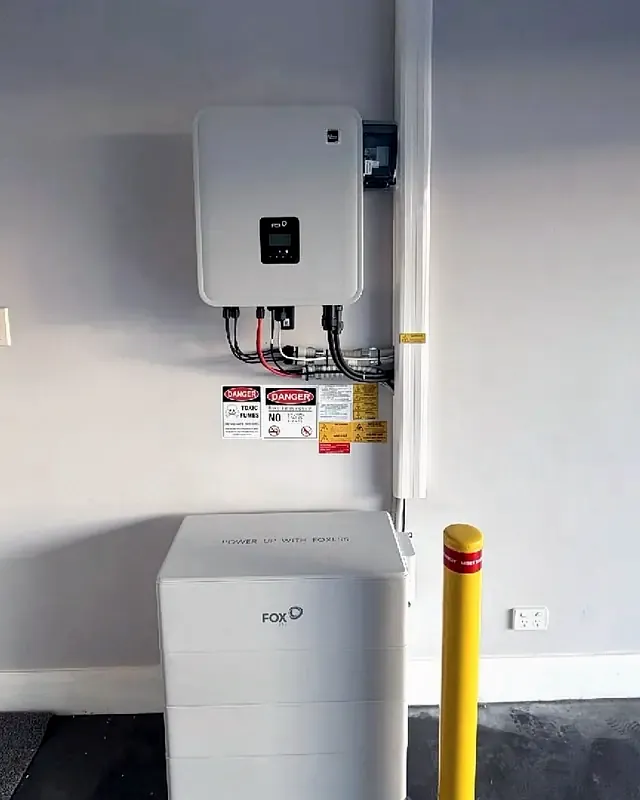
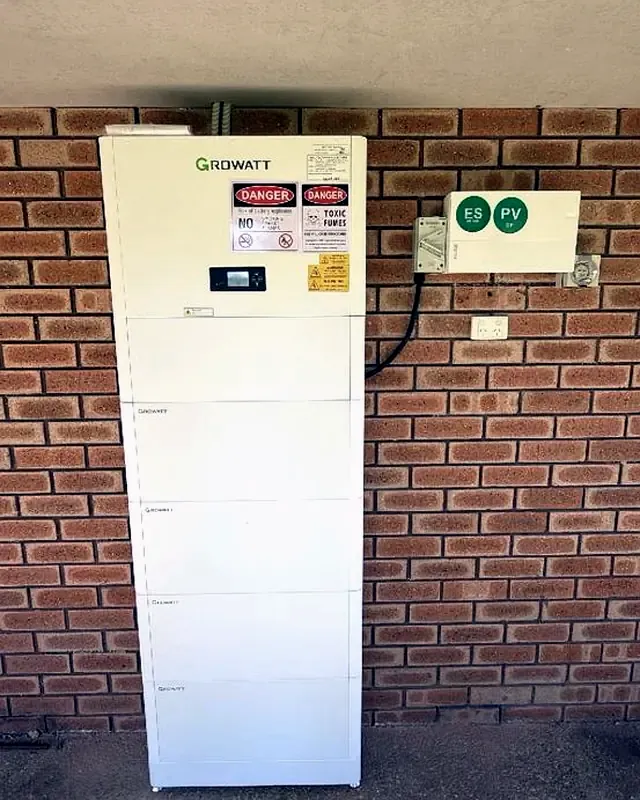
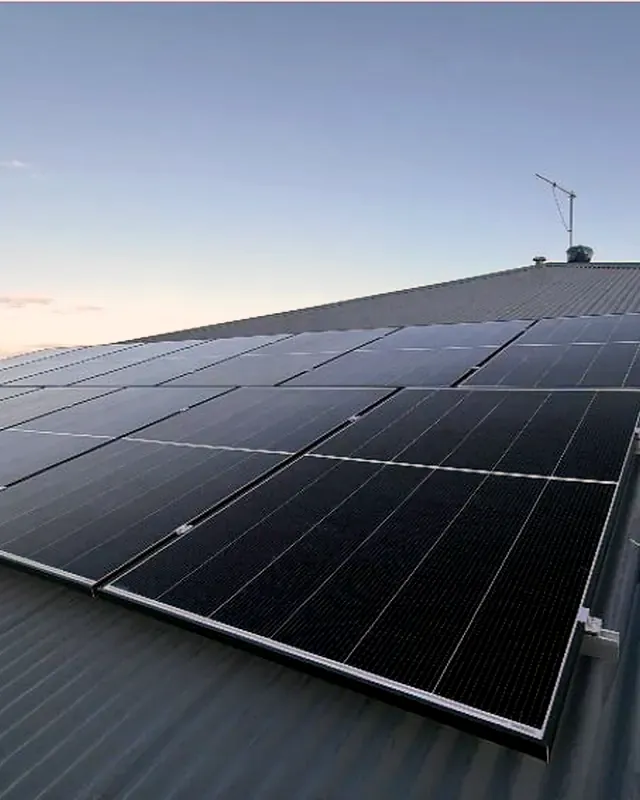
Real installs.
Across WA and NSW.
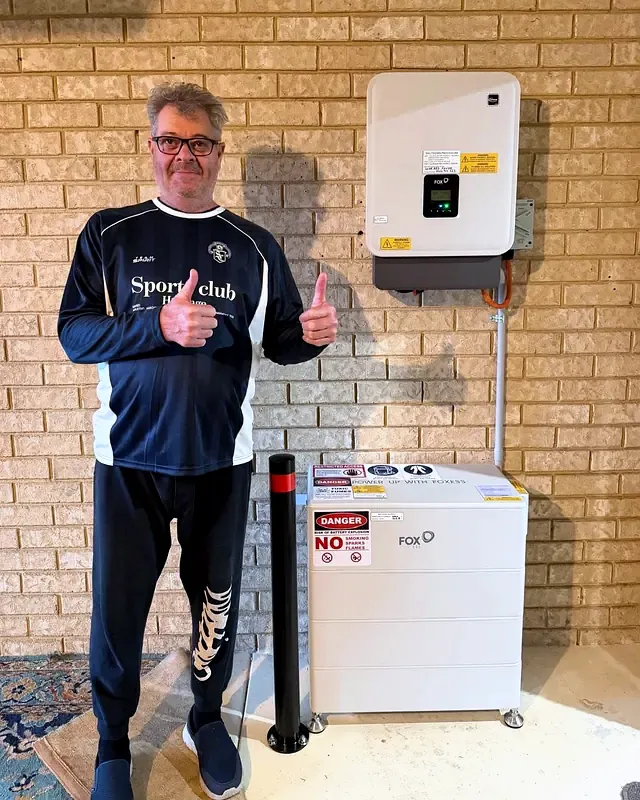
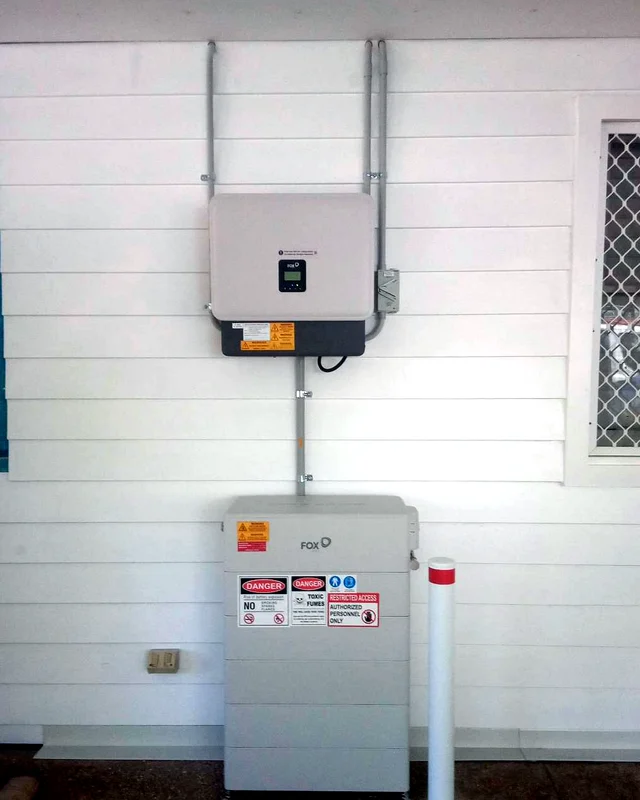
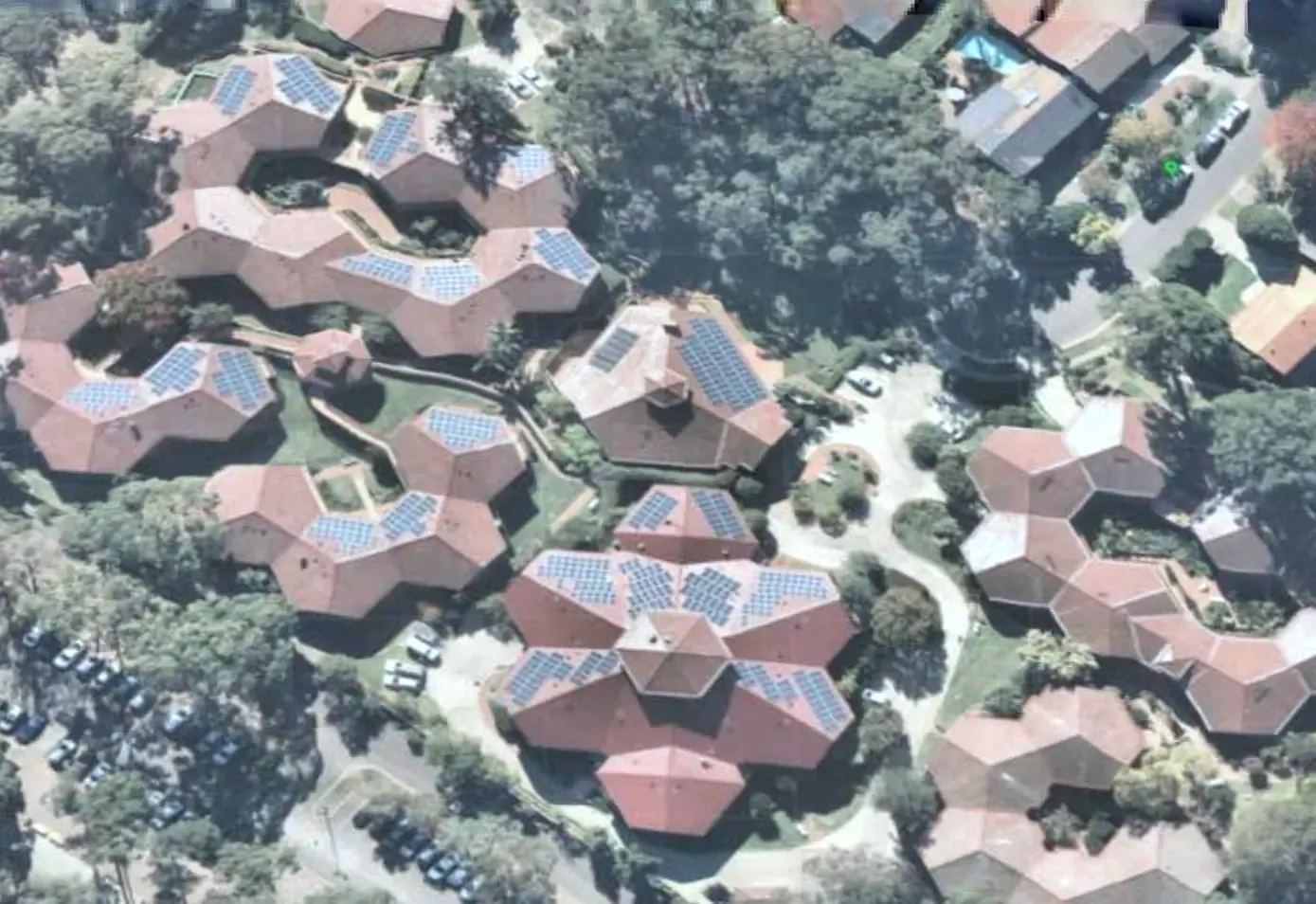
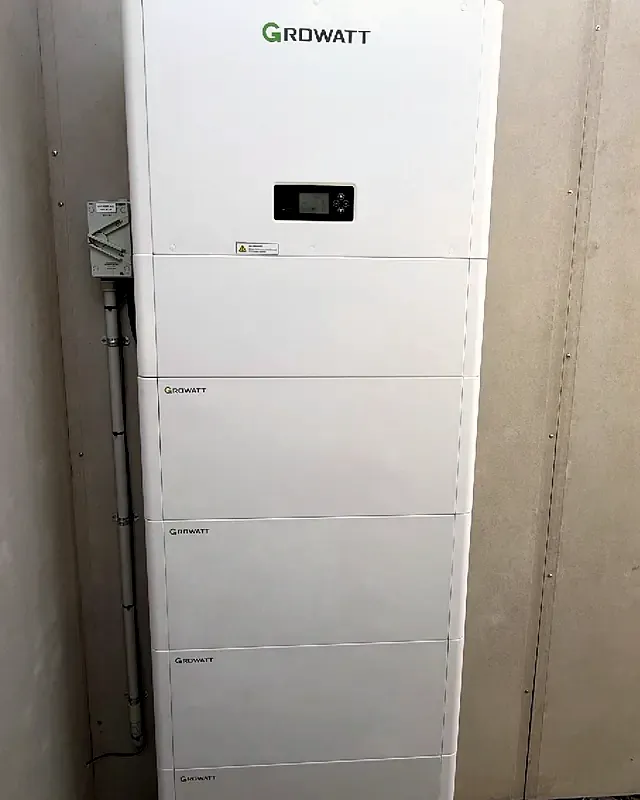
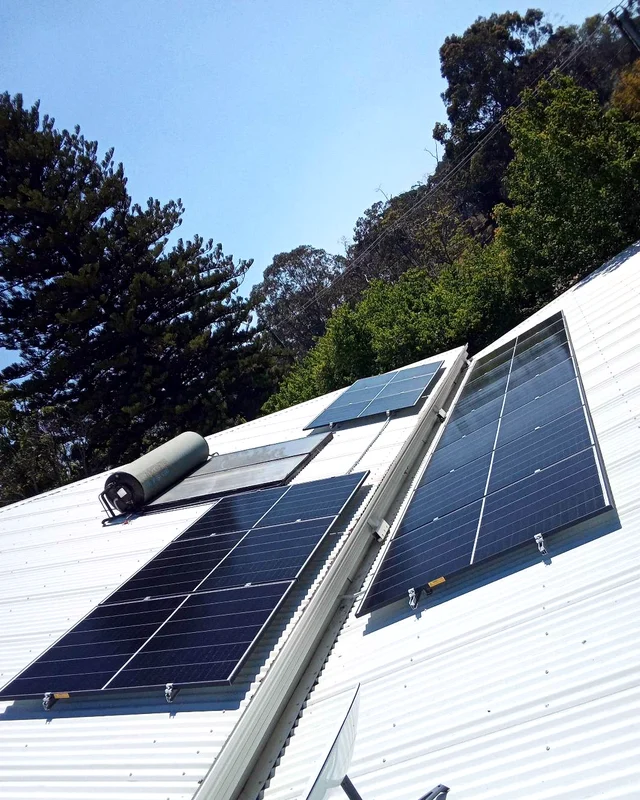
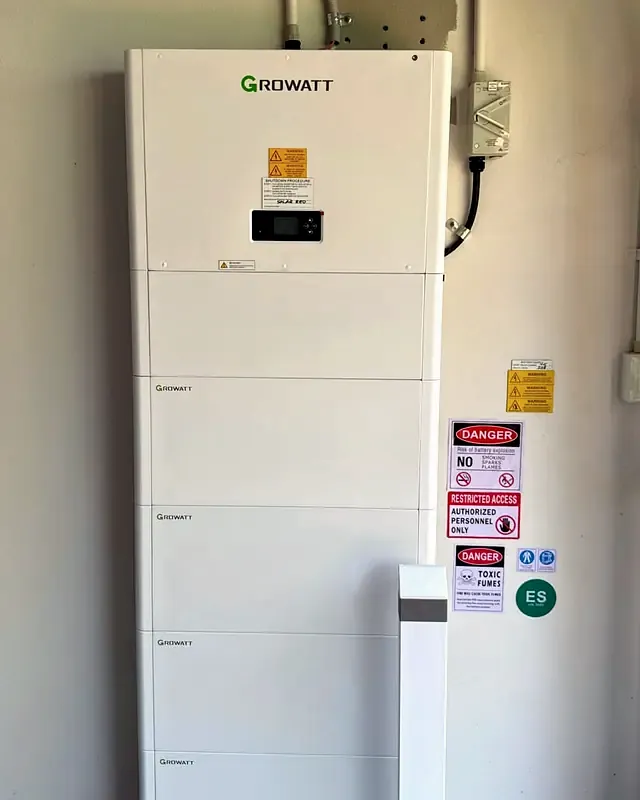
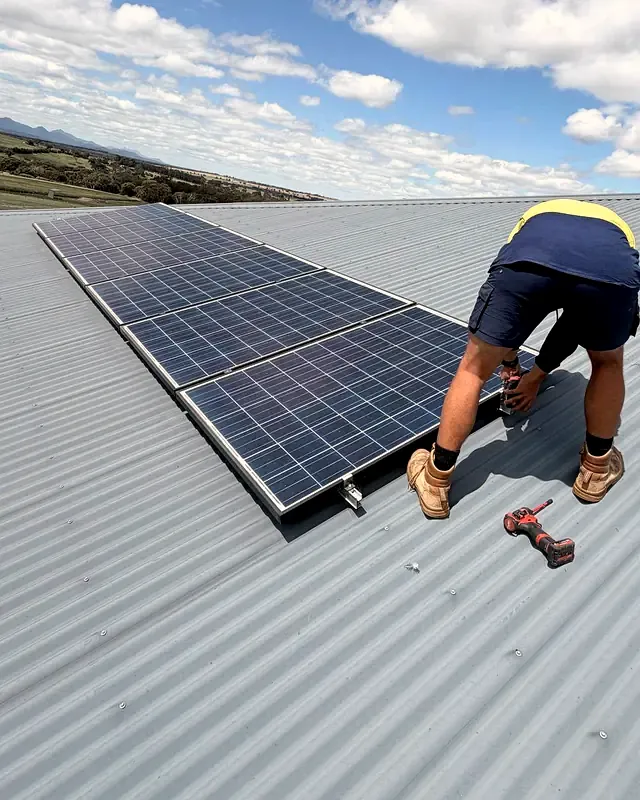
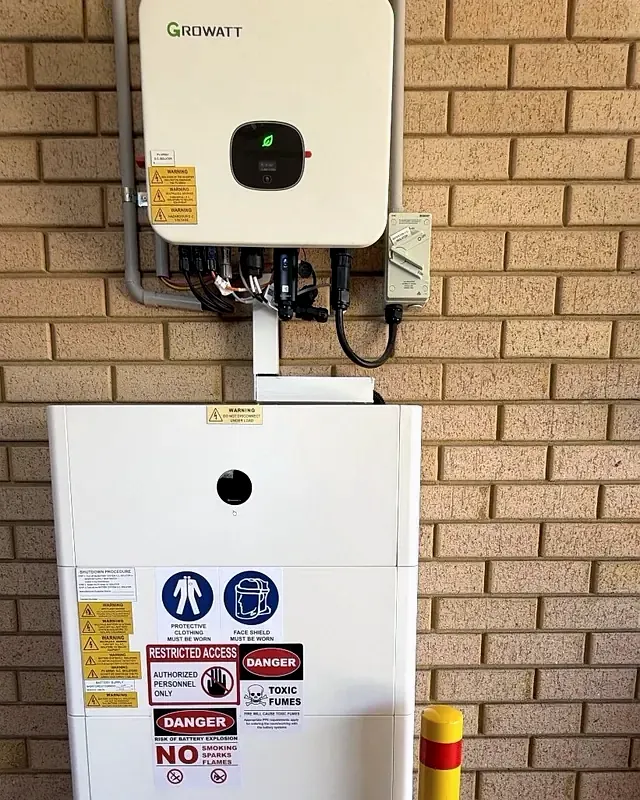
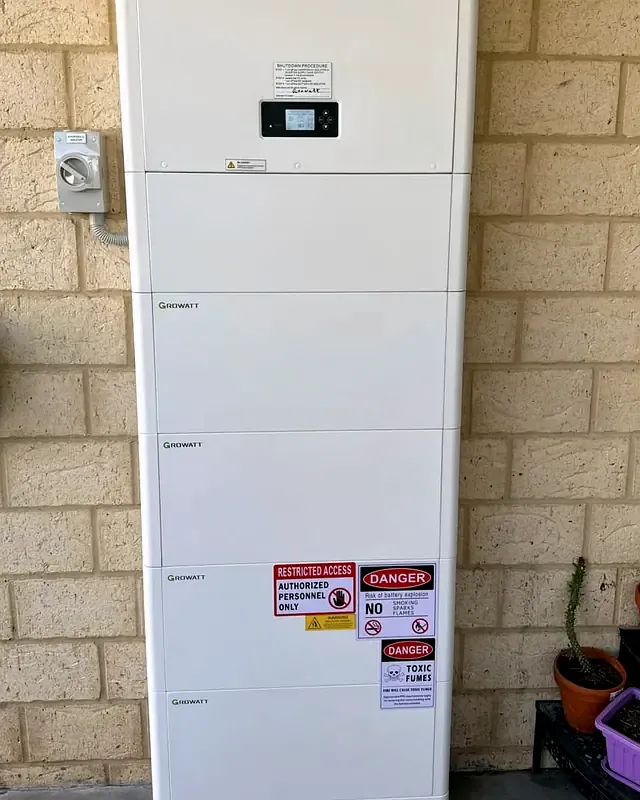
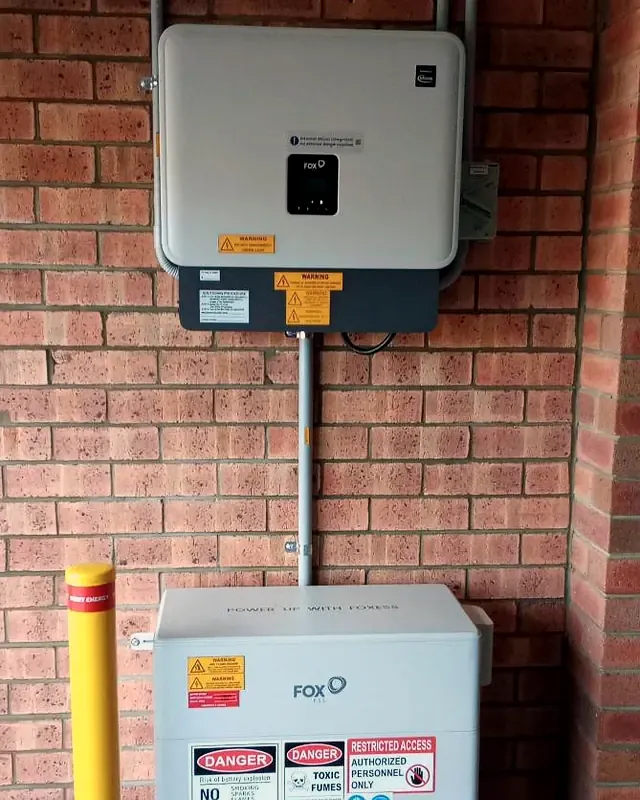
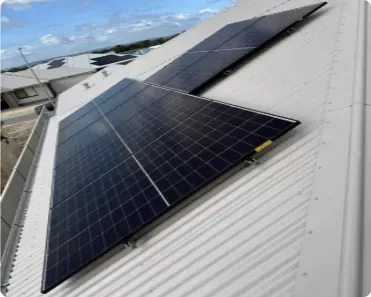
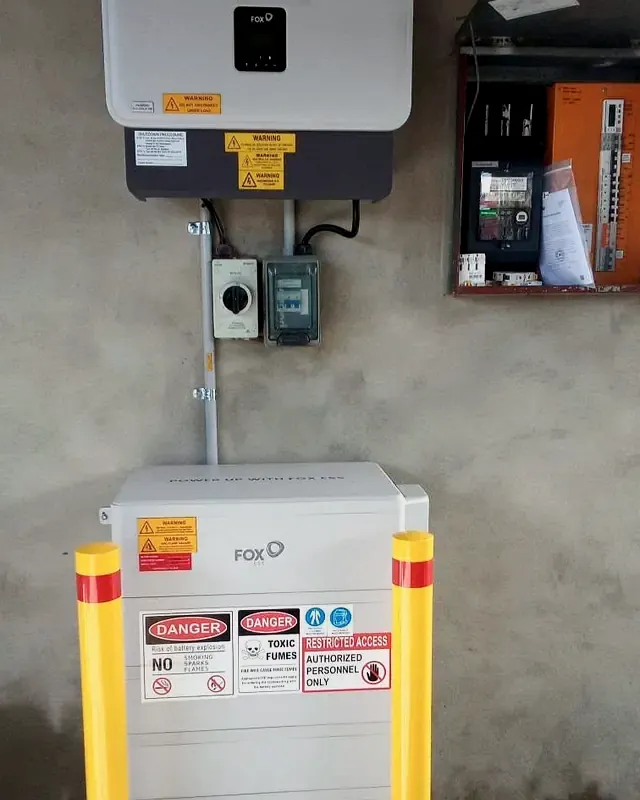
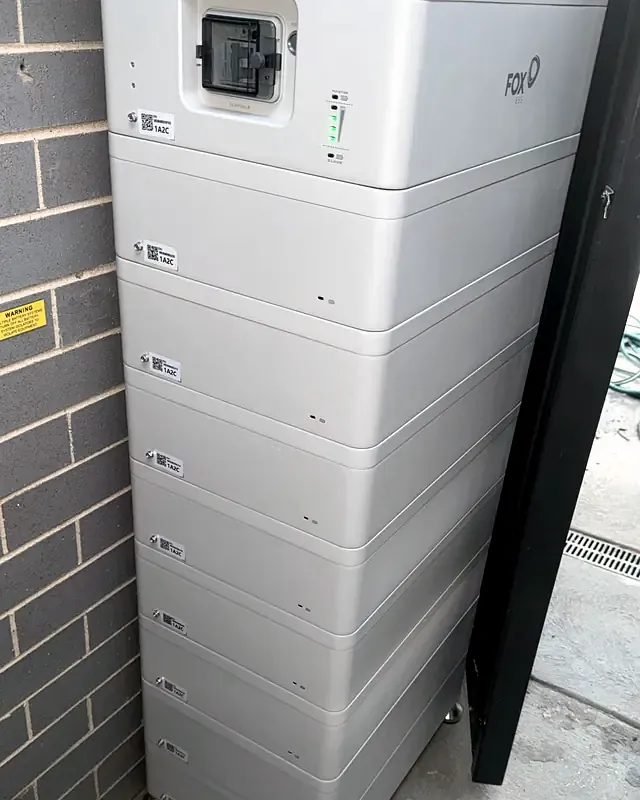
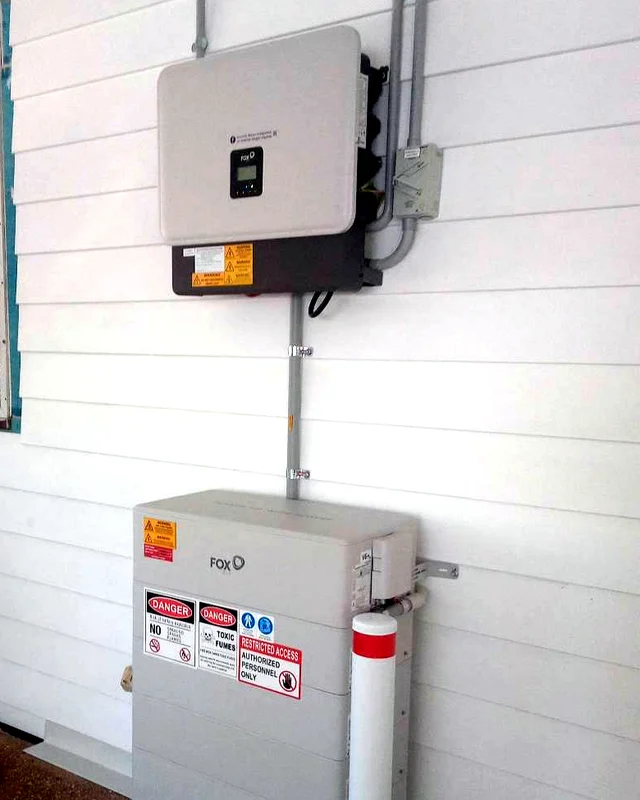
Every system is designed, installed and signed off by our own accredited team. Here are some of the latest.
- 15+ yrsIn the solar market
- WA · NSWHomes and businesses
- SAAAccredited installers
- NETCCApproved Seller
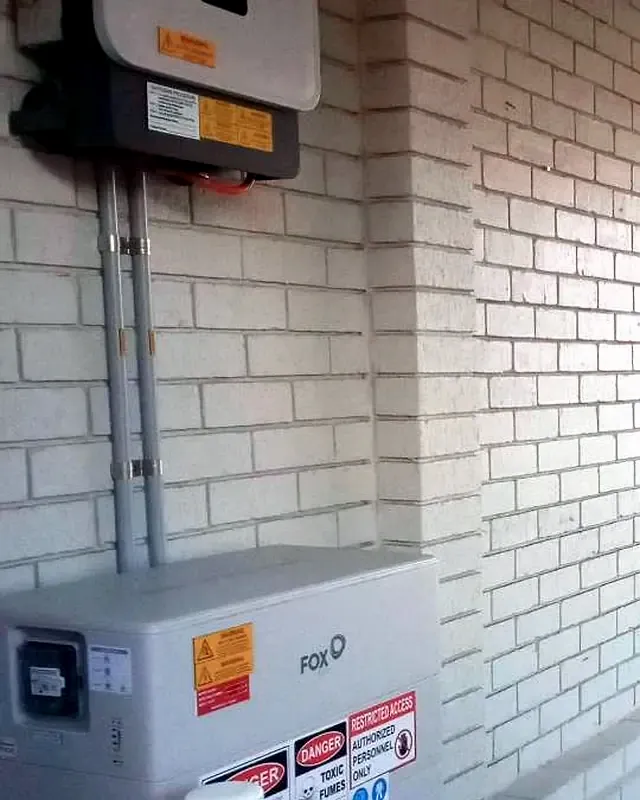
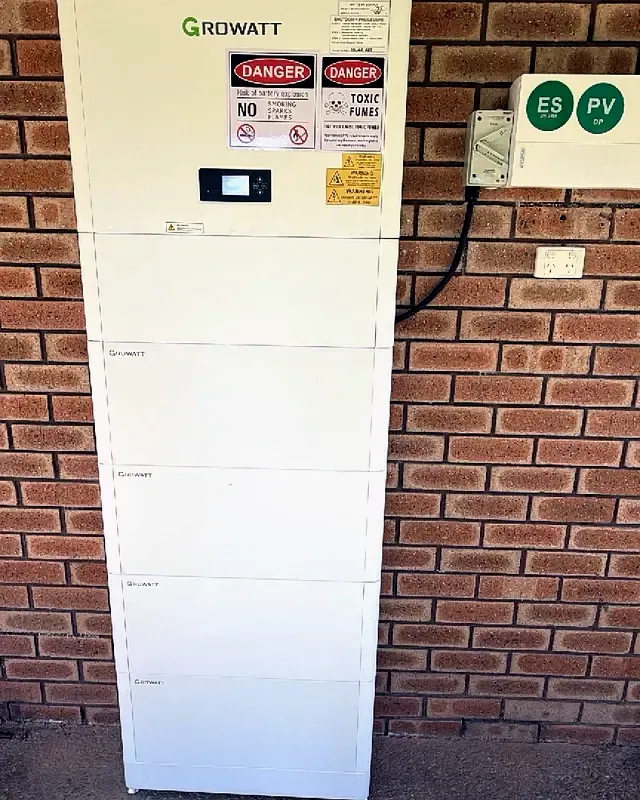
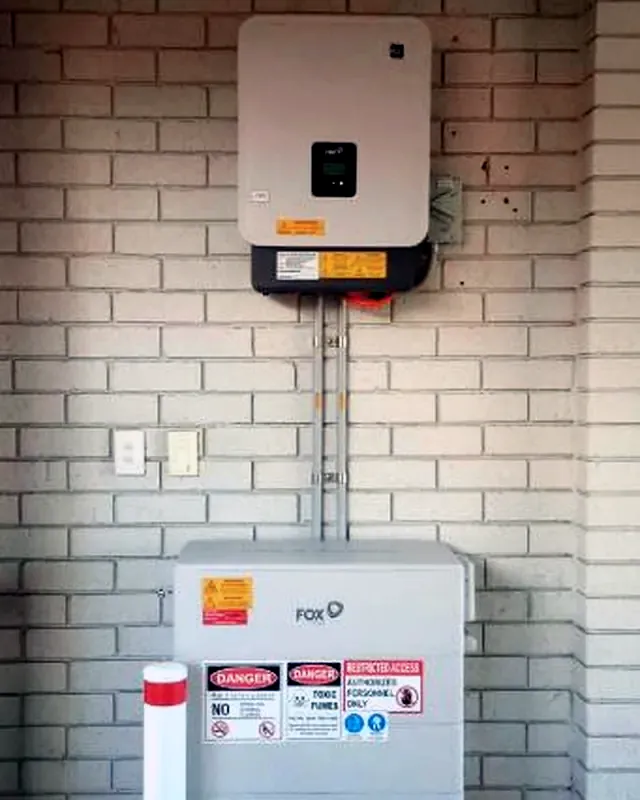
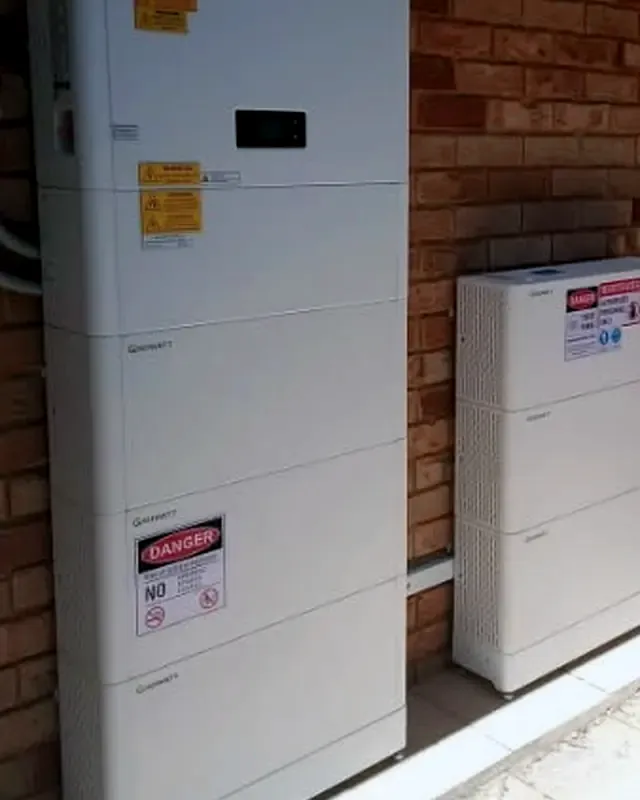
See the work before you sign.
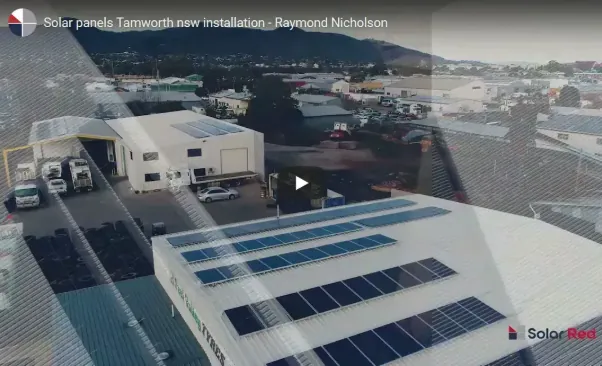
Short clips from real jobs, from family homes to working businesses. Tap any video to watch.



Common questions
Why is my feed-in tariff so low?
Midday solar is now plentiful on the grid, so retailers pay little for it. Using it yourself is worth much more.
Can I get a better feed-in rate?
In NSW you can compare retailers. In WA, Synergy customers are on DEBS.
Does a battery affect my feed-in tariff?
A battery reduces how much you export, but each stored kWh saves the full retail price instead.
Do I get paid for solar exports automatically?
Yes, once your meter is set up for exports. Credits appear on your bill.
Is there a feed-in tariff for batteries?
Exports from batteries are generally credited like solar exports, depending on your plan. Some VPP programs pay extra.
Will feed-in tariffs go back up?
Feed-in rates are reviewed each year, but they are expected to stay well below retail prices.
Free, no-obligation quote. Solar Red is an Approved Seller under the New Energy Tech Consumer Code (download the Code).
- Rebates taken off your price first
- Interest-free options for eligible homes
- Installed by SAA accredited local electricians
- Grid application and VPP setup handled for you