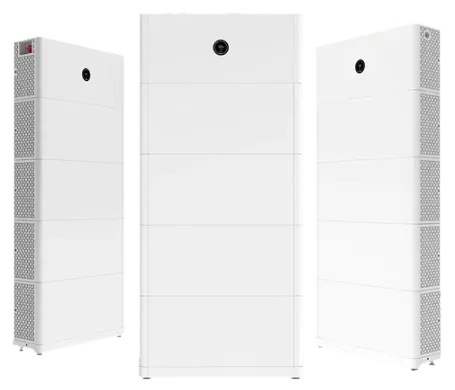
20 kW solar
+ 49.5 kWh battery
Built for big homes with big loads. 20 kW of solar and a 49.5 kWh battery cover pools, ducted air conditioning and electric cars, day and night.
Everything in the package
One price covers the equipment, installation by our SAA accredited electricians, and all the approvals.
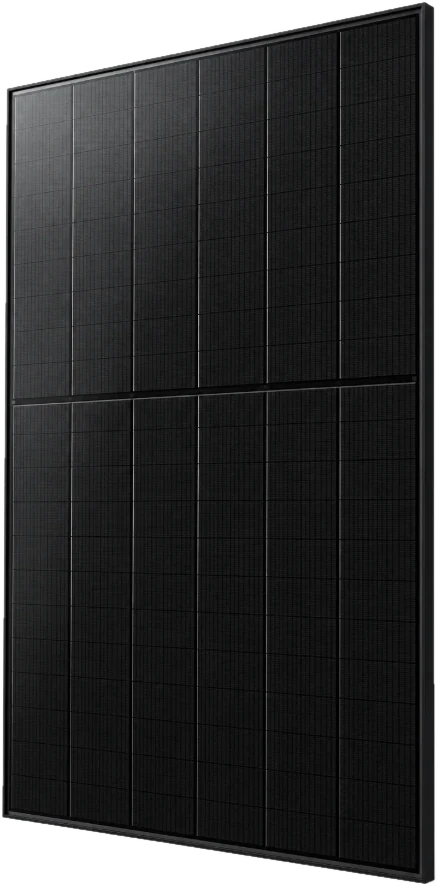
20 kW of solar panels
Tier 1 panels, such as Jinko Solar, sized to your roof. Exact model in your quote.
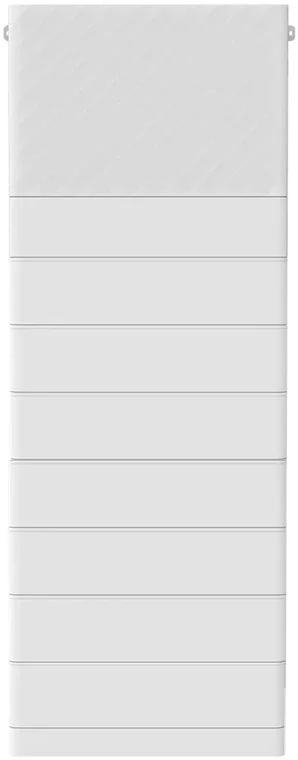
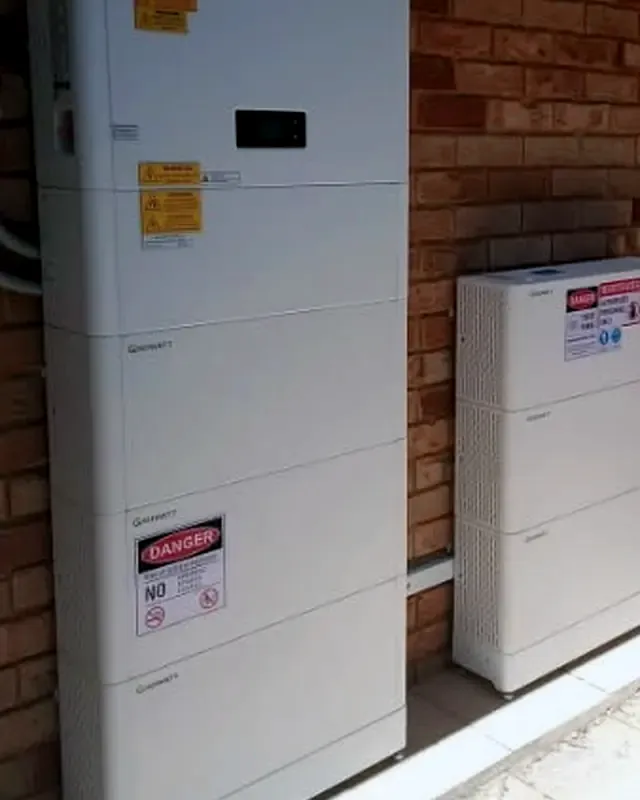
49.5 kWh battery
Large modular home battery. Exact brand and model in your quote.
15 kW hybrid inverter
Runs your panels and battery together, with VPP capability for the rebate.
Quality mounting
Mibet rails with Goomax roof feet, installed to Australian Standards.
App monitoring
See what your panels make, what you use and what is stored, in real time.
Backup for essential circuits
Lights, fridge and key power points keep running in a blackout. Circuits agreed in your quote.
Paperwork handled
Network application, STCs, rebate and VPP setup all lodged for you.
Warranties
Manufacturer warranties on panels, inverter and battery, plus the Solar Red workmanship warranty.
A day with your system
Your panels power the house and send everything spare into the battery.
Once the battery is charged, extra solar is exported to the grid.
Cooking, air conditioning, TV and lights run from your stored solar, during the most expensive hours.
On a typical day the battery carries your home through the night, then the cycle starts again.
About $7,300 a year*
Based on a Perth home using 60 kWh a day on the Synergy A1 rate of 33.26c per kWh. This package suits homes using about 60 to 80 kWh a day, which is roughly $1,800 to $2,400 a quarter in usage charges.
Your own saving depends on your usage, tariff and roof. We show your real figures in your quote.
| Step | Amount | How we worked it out |
|---|---|---|
| Average solar produced | 80 kWh a day | 20 kW × 4 kWh per kW (Perth average) |
| Your home uses | 60 kWh a day | Typical home for this package |
| Used straight from your panels | 21 kWh a day | About 35% of use happens while the sun is up |
| Supplied by your battery | 39 kWh a day | About 44.6 kWh usable, less 10% charge and discharge losses |
| Exported to the grid | 15.7 kWh a day | Paid at the 2c per kWh DEBS rate |
| Grid power still bought | Almost none | On a typical day |
What comes off your price
We apply every incentive you are eligible for and show each one on your quote.
Federal battery discount
Comes straight off your price. A 49.5 kWh battery earns the full rate on its first 14 kWh, 60% on the next 14 kWh and 15% on the remaining 21.5 kWh. The rate steps down on 1 January 2027, so installing sooner gets more.
Solar STCs
Your 20 kW of panels create small-scale technology certificates, applied as an upfront discount. The value reduces every year until 2030.
WA no-interest battery loan
WA households can borrow $2,001 to $10,000 at 0% over 3 to 10 years through Plenti. Household income must be under $210,000, you must be a Synergy or Horizon Power customer, and the battery joins a Virtual Power Plant.
NSW Home Energy Saver loan
NSW home owners can borrow up to $15,000 at 0% over up to 10 years through Brighte or Plenti, with household taxable income up to $150,000.
Incentives and loans have their own eligibility rules and can change. Finance is subject to lender approval. See our finance disclaimer.
Best for big homes, pools and EVs
- Your home uses about 60 to 80 kWh a day
- You run a pool pump, ducted air conditioning or an electric car
- You have roof space for about 45 panels
- Your home has three-phase power
Real installs.
Across WA and NSW.
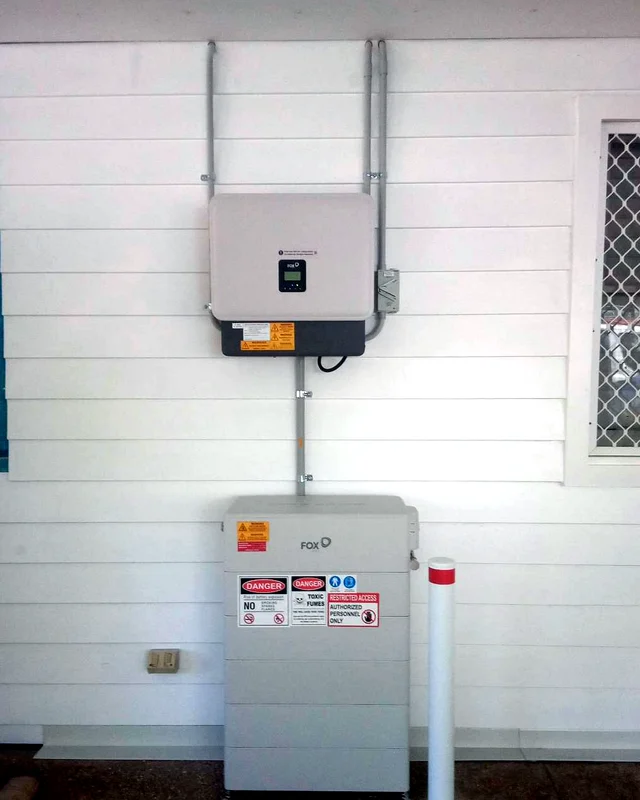
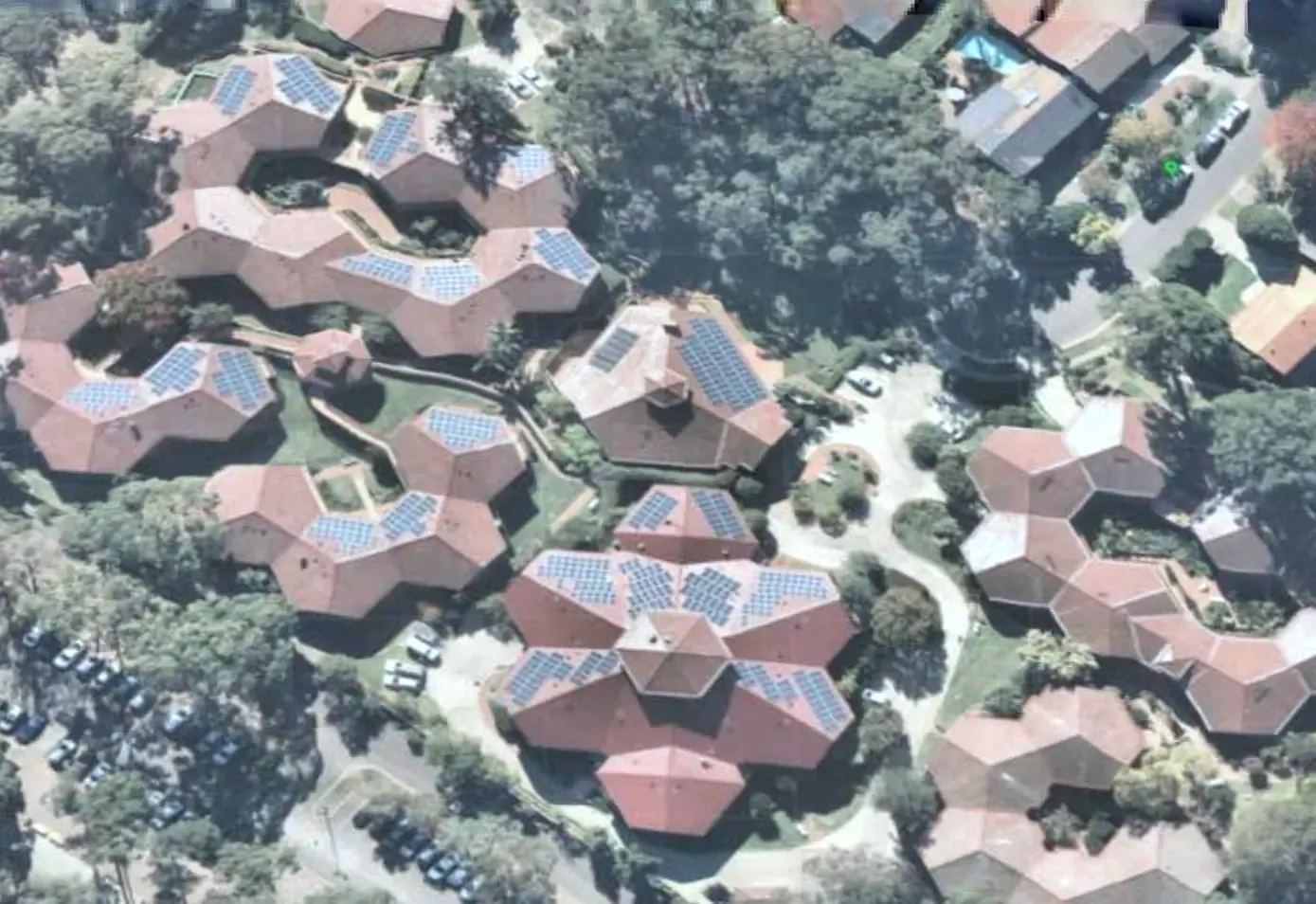
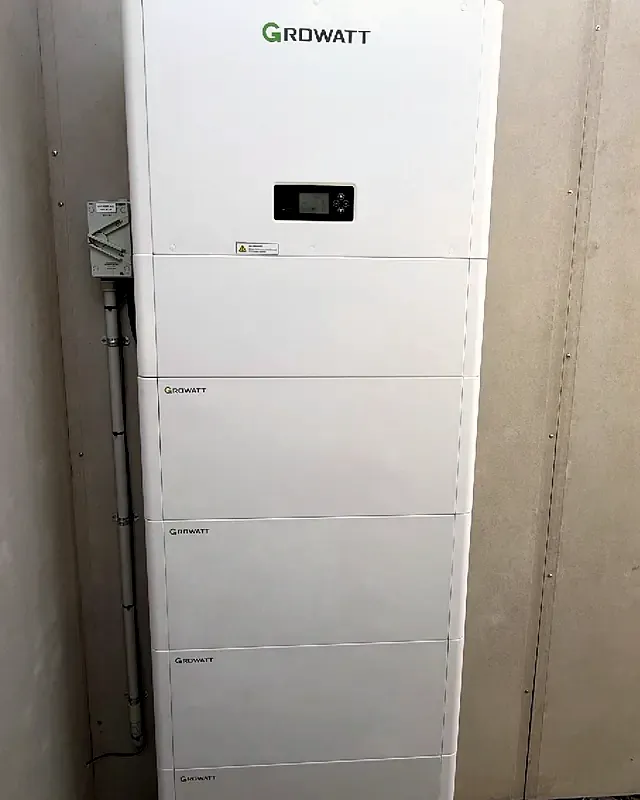
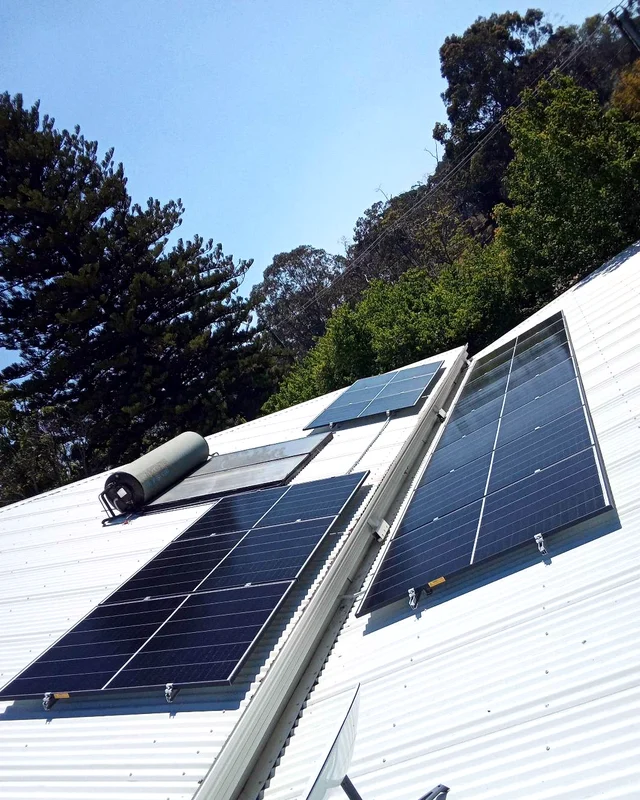
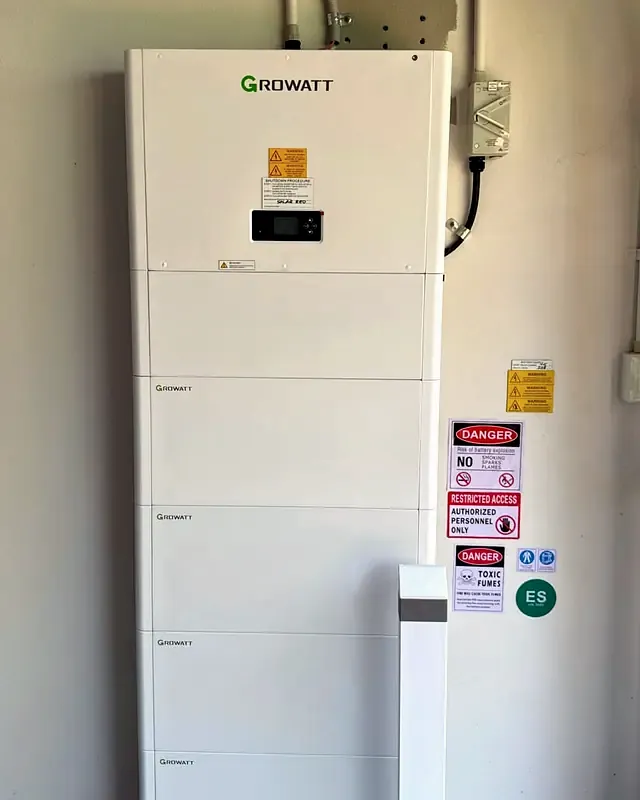
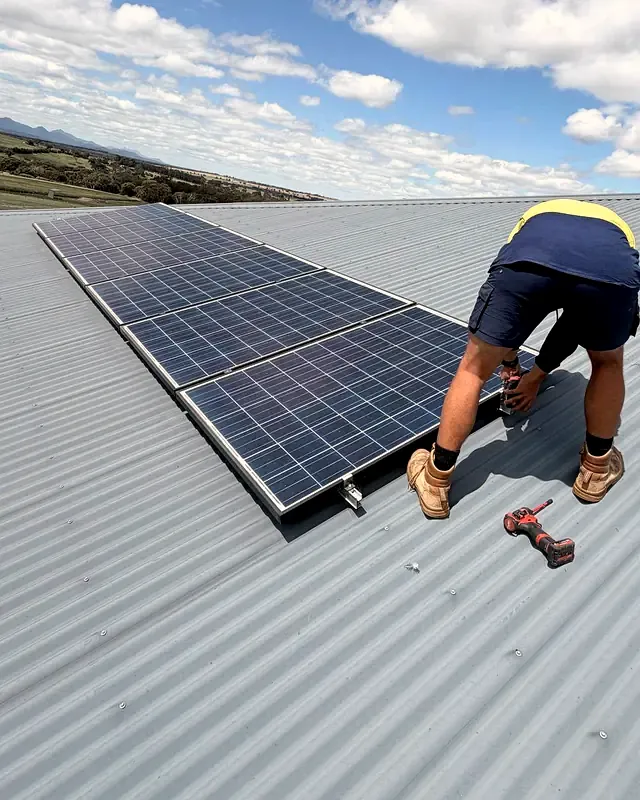
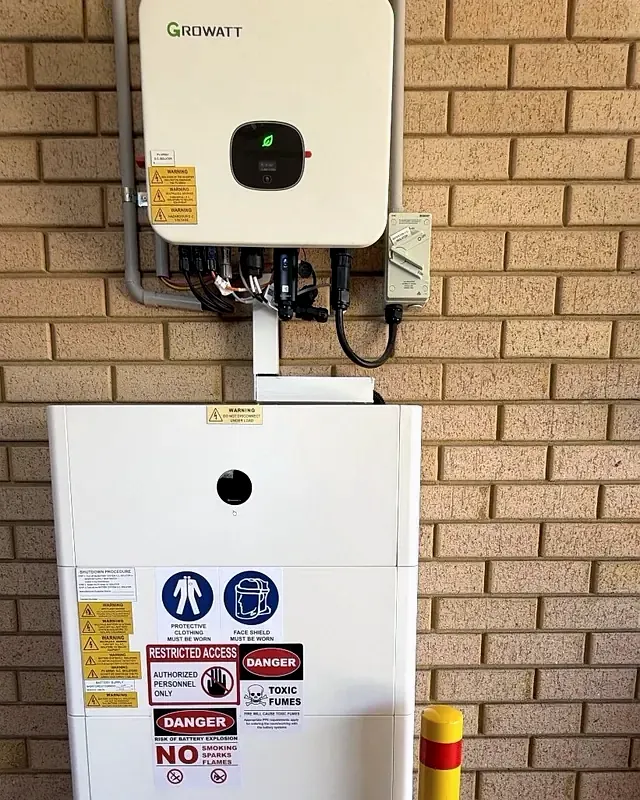
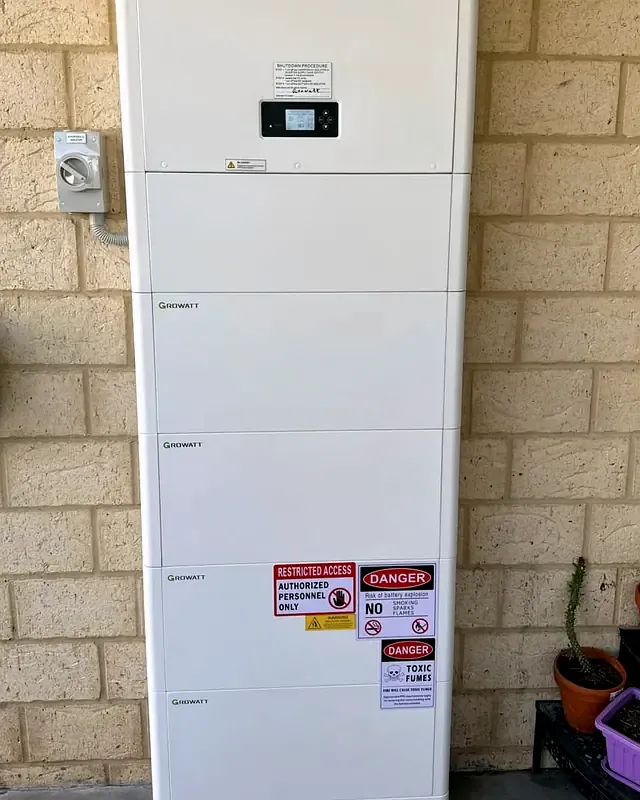
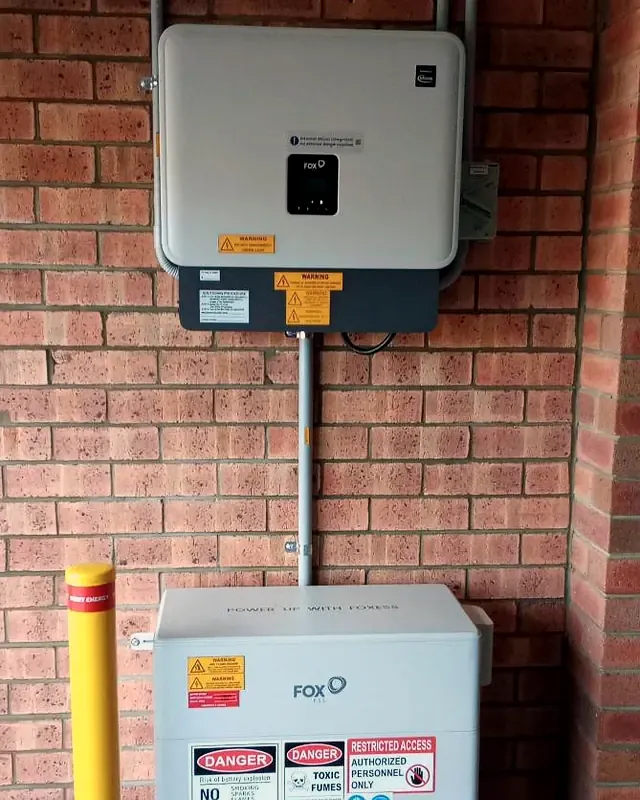
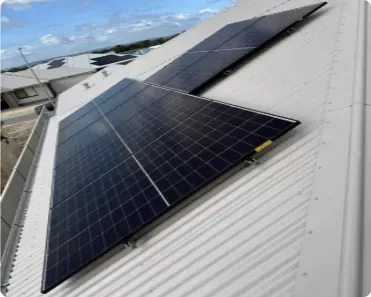
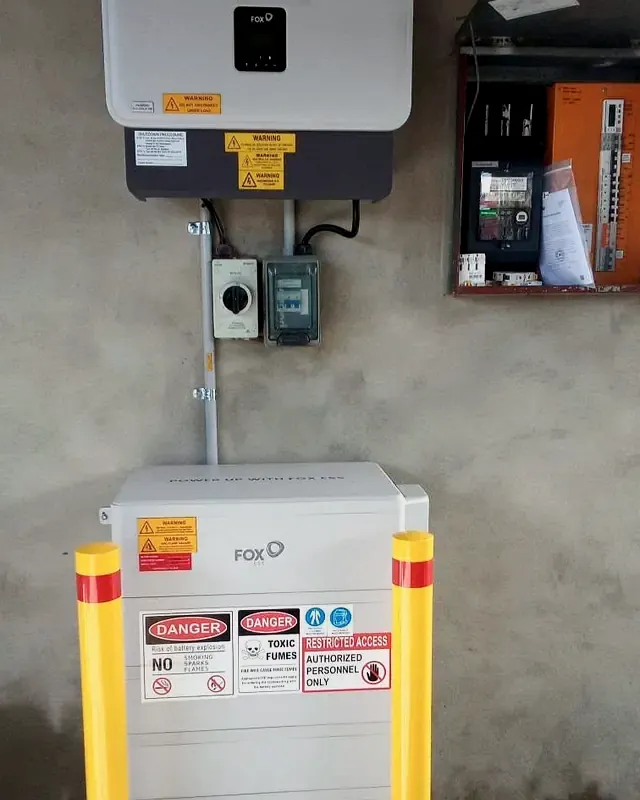
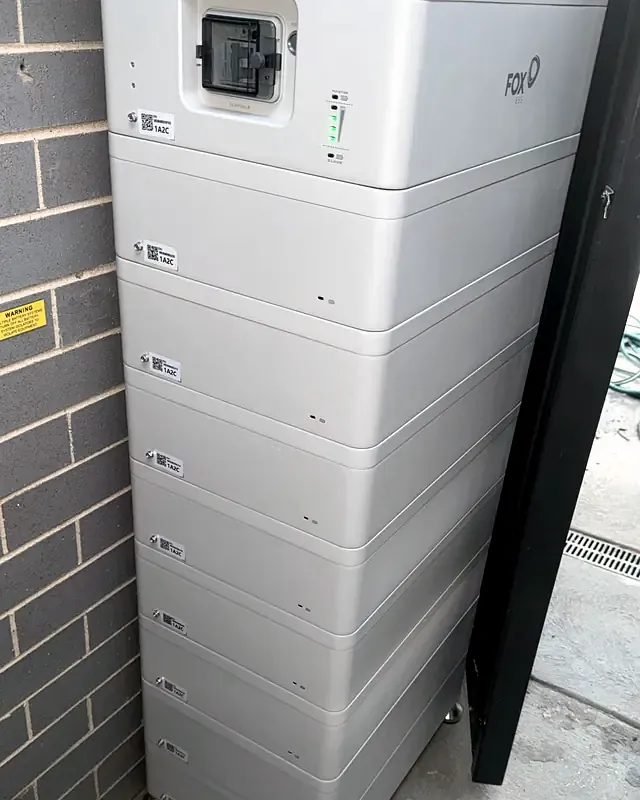
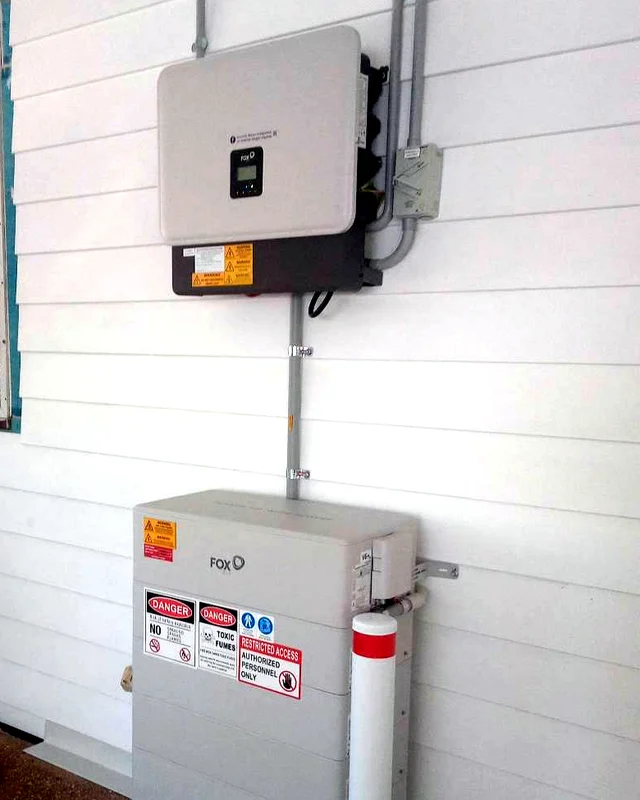
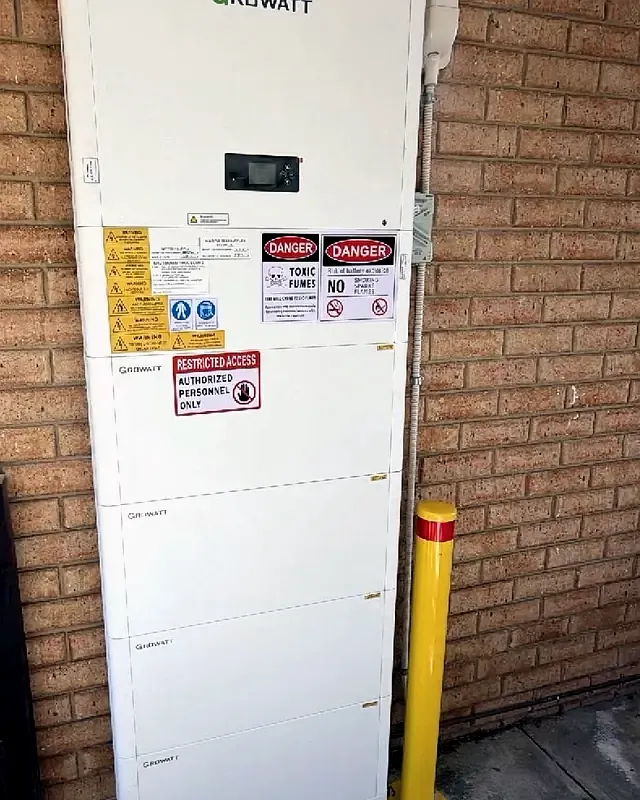
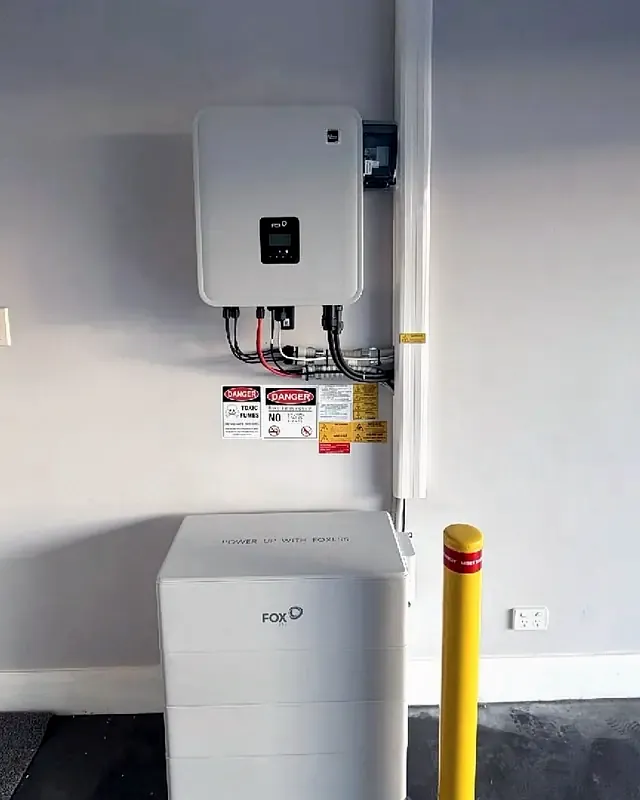
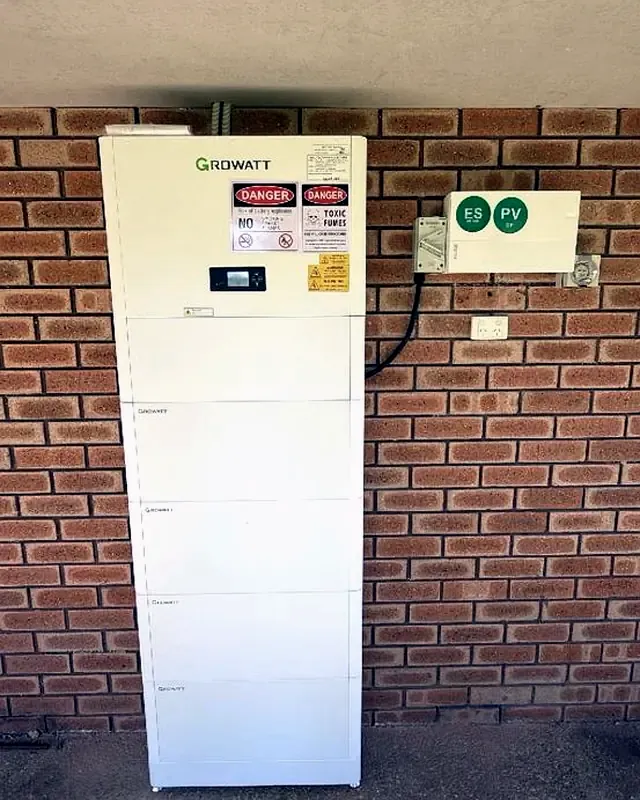
Every system is designed, installed and signed off by our own accredited team. Here are some of the latest.
- 15+ yrsIn the solar market
- WA · NSWHomes and businesses
- SAAAccredited installers
- NETCCApproved Seller
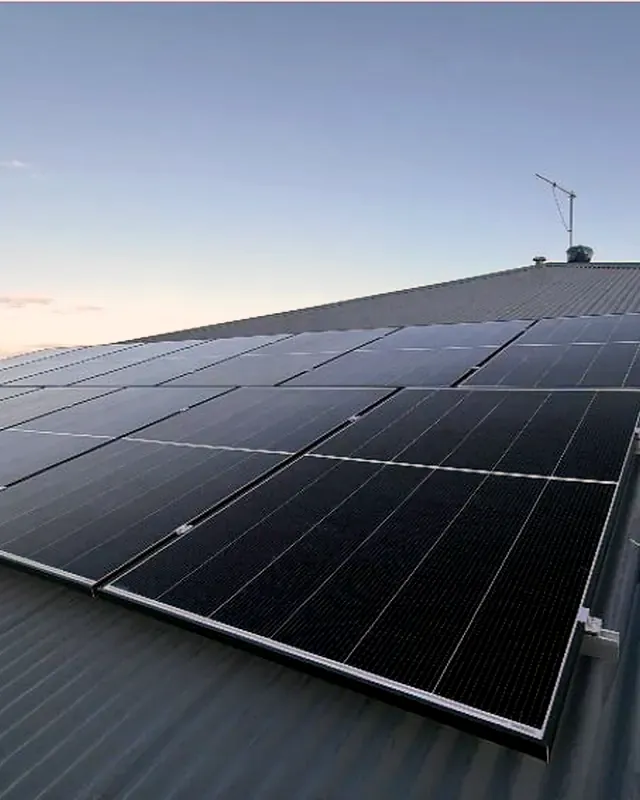
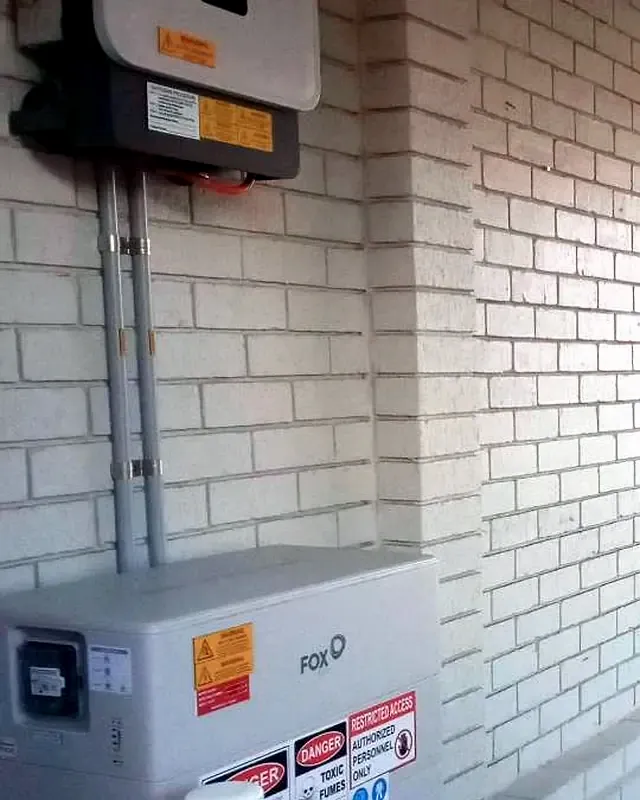
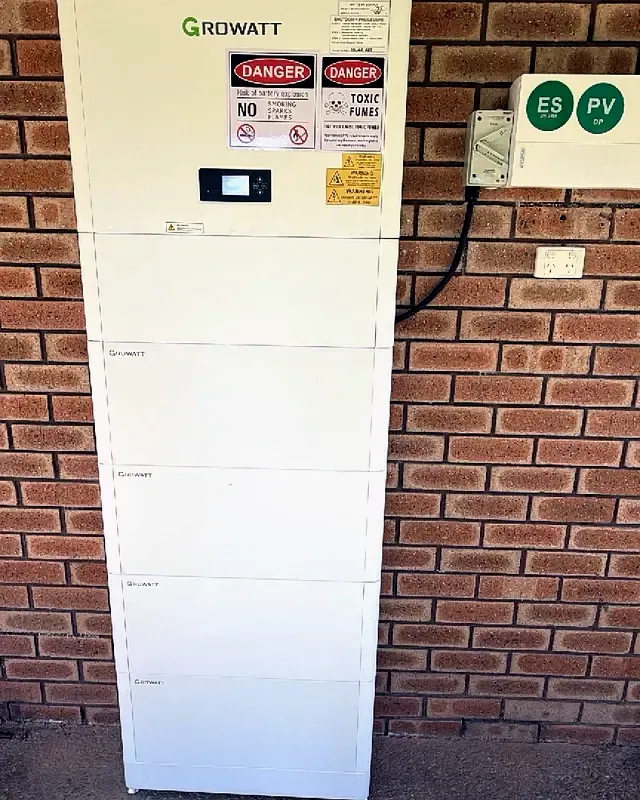
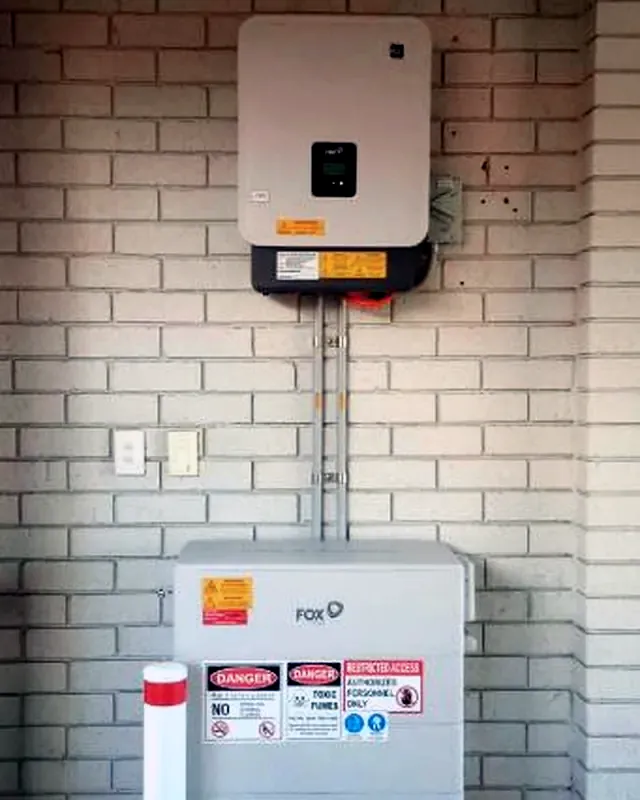
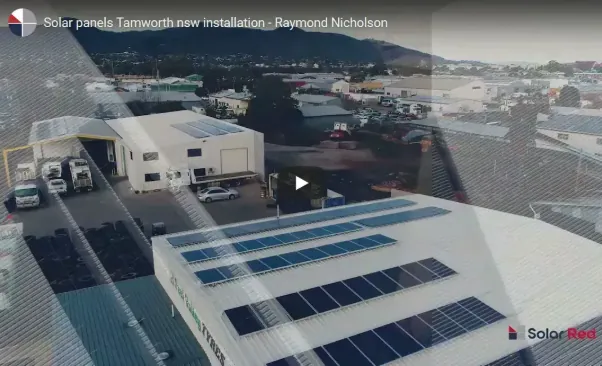
See the work before you sign.
Short clips from real jobs, from family homes to working businesses. Tap any video to watch.



20 kW + 49.5 kWh FAQs
Do I need three-phase power?
A system this size usually needs three-phase power. If your home is single-phase, we check what your network allows and recommend the best option.
Can it charge my electric car?
Yes. Solar can charge your car during the day, and the battery can top it up in the evening. Overnight charging of a large EV may still use some grid power.
Is this more than I need?
For homes using 60 kWh or more a day, it lets you run evening and overnight loads from your own power. If you use less, the 13.2 kW + 28 kWh package is usually better value.
What happens in a blackout?
With backup set up, your essential circuits, such as lights, the fridge and key power points, keep running from the battery. We agree which circuits are backed up in your quote.
Do I have to join a Virtual Power Plant?
For the WA Government no-interest loan, yes: the scheme requires the battery to join a Virtual Power Plant. The federal battery discount needs a VPP-capable inverter, which this package includes.
Where can't a battery go?
Under AS/NZS 5139:2019 (including Amendment 1:2025), a battery can't be installed: inside a habitable room (bedroom, living or family room, kitchen, dining room, study, rumpus room or home theatre); in a ceiling space or wall cavity; under a staircase or access walkway; on a roof, unless the location is specifically deemed suitable; in an evacuation or escape route; or anywhere that blocks access to your switchboard.
How far must a battery be from doors, windows and appliances?
The standard sets a restricted zone. A battery can't sit within 600 mm horizontally of an exit or door, of the side of a window or building vent that opens into a habitable room, or of an appliance such as a hot water system or air-conditioner unit. It also can't sit within 900 mm below any of these. The battery's own inverter is allowed inside this zone. We also follow the maker's clearances around the unit, which are often 200 to 300 mm.
Can my battery go in the garage?
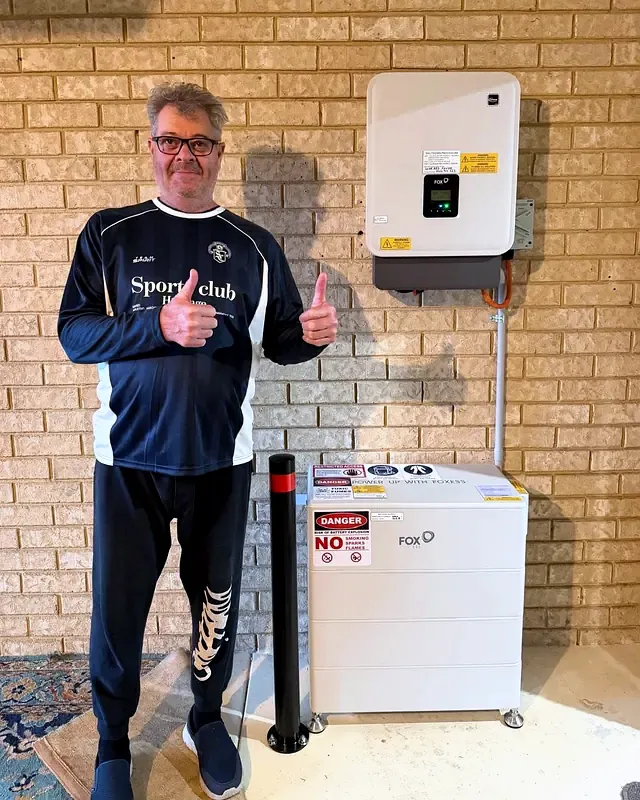
Yes. Garages are one of the most common spots, as long as the garage isn't used as a living space. A battery normally can't sit within 600 mm of a door or exit. The exception is a wide opening (over 900 mm) such as a garage door: under Amendment 1 (2025) the battery can be closer than 600 mm, as long as people can still pass through the opening at least 1 m from the battery. The standard also says a battery can't go where a vehicle could damage it. If a car could reach it, we fit a fixed steel bollard or choose a spot the car can't reach. The standard doesn't set a distance for the bollard; it just has to stop the car touching the battery.
How much does it cost?
Your price depends on your roof, switchboard and rebate eligibility. Use the form above to get your price after rebates, and we confirm it in a written, itemised quote.
Can I pay it off interest-free?
Yes, if you are eligible. Options include the WA no-interest battery loan, the NSW Home Energy Saver loan and the Brighte 0% payment plan. See our finance disclaimer for terms and fees.
Free, no-obligation quote. Solar Red is an Approved Seller under the New Energy Tech Consumer Code (download the Code).
*Estimates only. Assumes Perth solar output of 4 kWh a day per kW of panels, a home using 60 kWh a day with about 35% used during daylight, a battery with 90% usable capacity and 90% round-trip efficiency, exports at the 2c per kWh DEBS rate, and the Synergy A1 rate of 33.26c per kWh from 1 July 2026. Excludes supply charges and VPP payments. Your price and savings are confirmed in your written quote.
- Rebates taken off your price first
- Interest-free options for eligible homes
- Installed by SAA accredited local electricians
- Grid application and VPP setup handled for you